The Best AI Search Agencies in 2026 (GEO and AEO), Compared

TL;DR
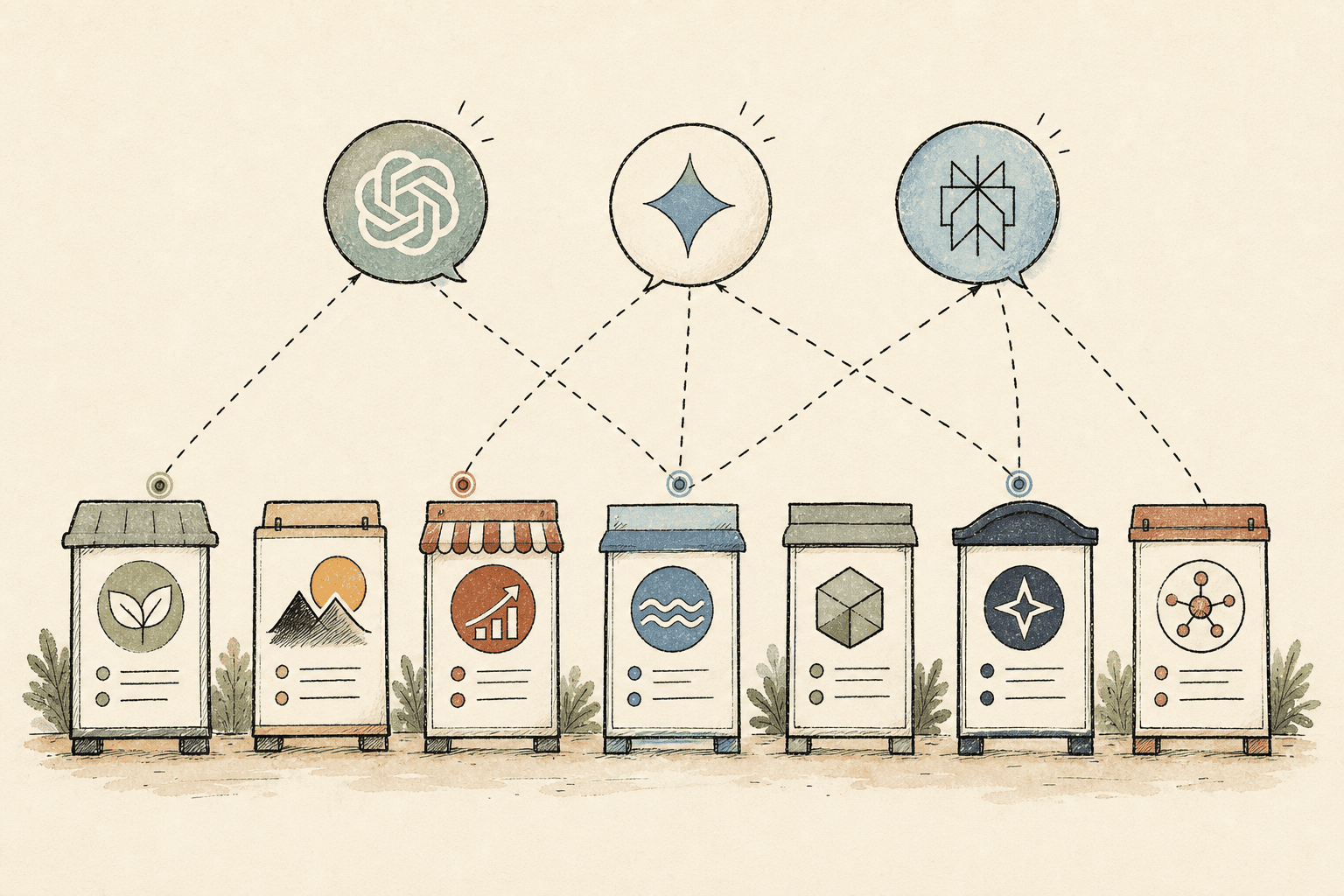
The leading done-for-you AI search agencies in 2026 are Avenue Z, Gushwork, NoGood, Omnius, Radyant, Schmitdy, and Single Grain. Each makes brands more likely to be cited inside AI answers from ChatGPT, Perplexity, Gemini, Claude, and Google AI Overviews.
Tracking platforms (Profound, Peec, AirOps, Bluefish, Scrunch) measure your AI visibility. Agencies change it. Most buyers end up needing both.
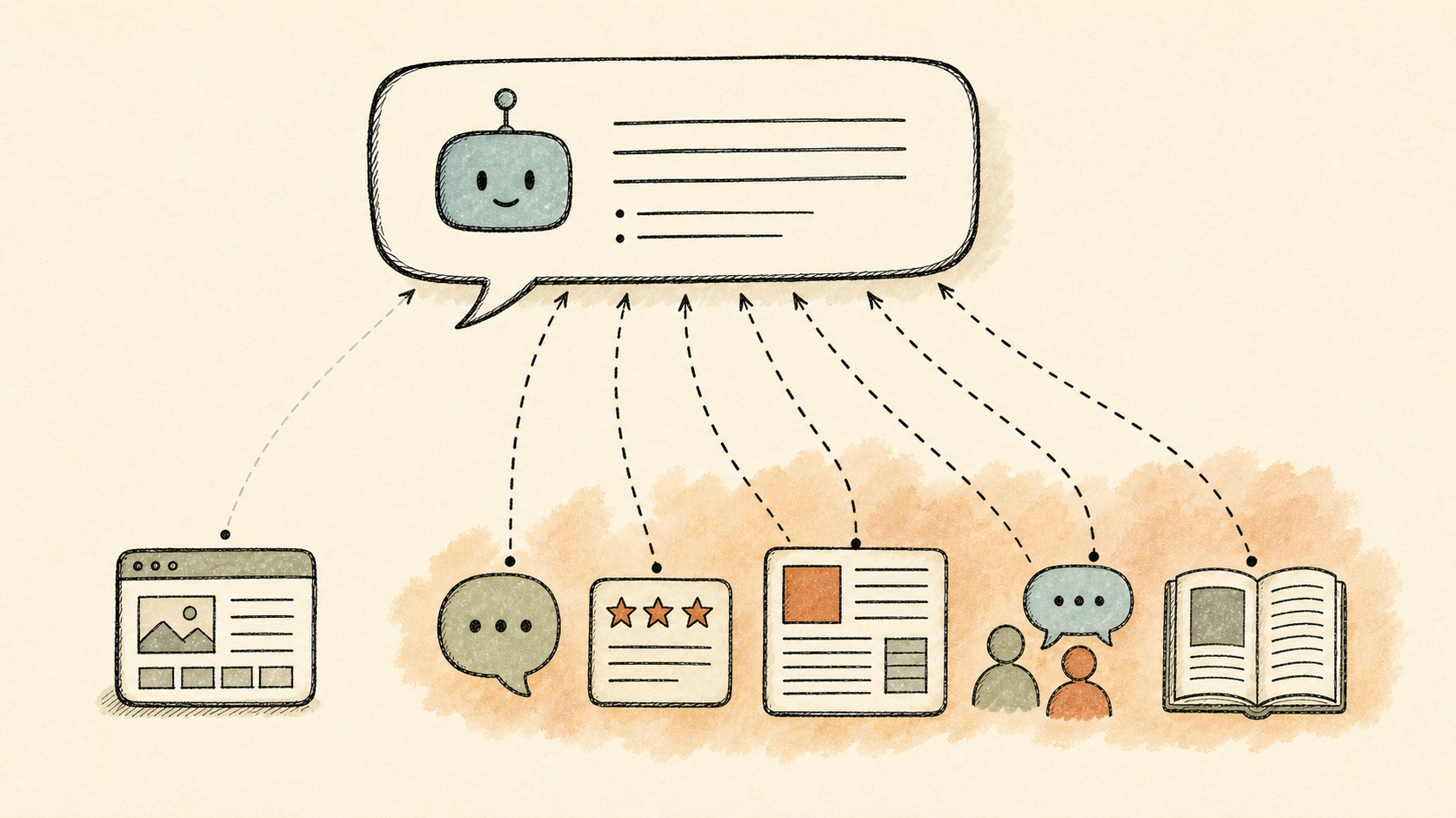
The single most useful fact for choosing: around 85 percent of brand mentions in AI search come from third party domains, not your own website. An agency whose whole offer is on-site content is mismatched to where citations actually come from.
Expect 3 to 6 months to meaningful results, 3,000 to 25,000 dollars per month for serious B2B work, and no honest guarantee of specific citations.
Search is splitting in two. People still type queries into Google, but a fast growing share of buying research now happens inside an AI answer: ChatGPT, Perplexity, Gemini, Claude, Copilot, and Google's own AI Overviews. ChatGPT alone reached around 900 million weekly users in February 2026, and AI Overviews now appear on roughly half of tracked Google queries by some trackers. The discipline of getting recommended inside those answers has a name, generative engine optimization (GEO), used almost interchangeably with answer engine optimization (AEO). A growing set of agencies now sell it as a service.
This guide profiles the agencies worth knowing, separates them from the tracking tools they are often confused with, and gives you the criteria to choose. It is published by AI Heroes. One of the entries, Schmitdy, is AI Heroes' own AI search service, and we list it by exactly the same criteria as every other agency here.
Platforms are not agencies
Most best-of lists mix two different things. Tracking platforms are software you operate yourself. Agencies are done-for-you services that do the work, and many of them run a platform underneath.
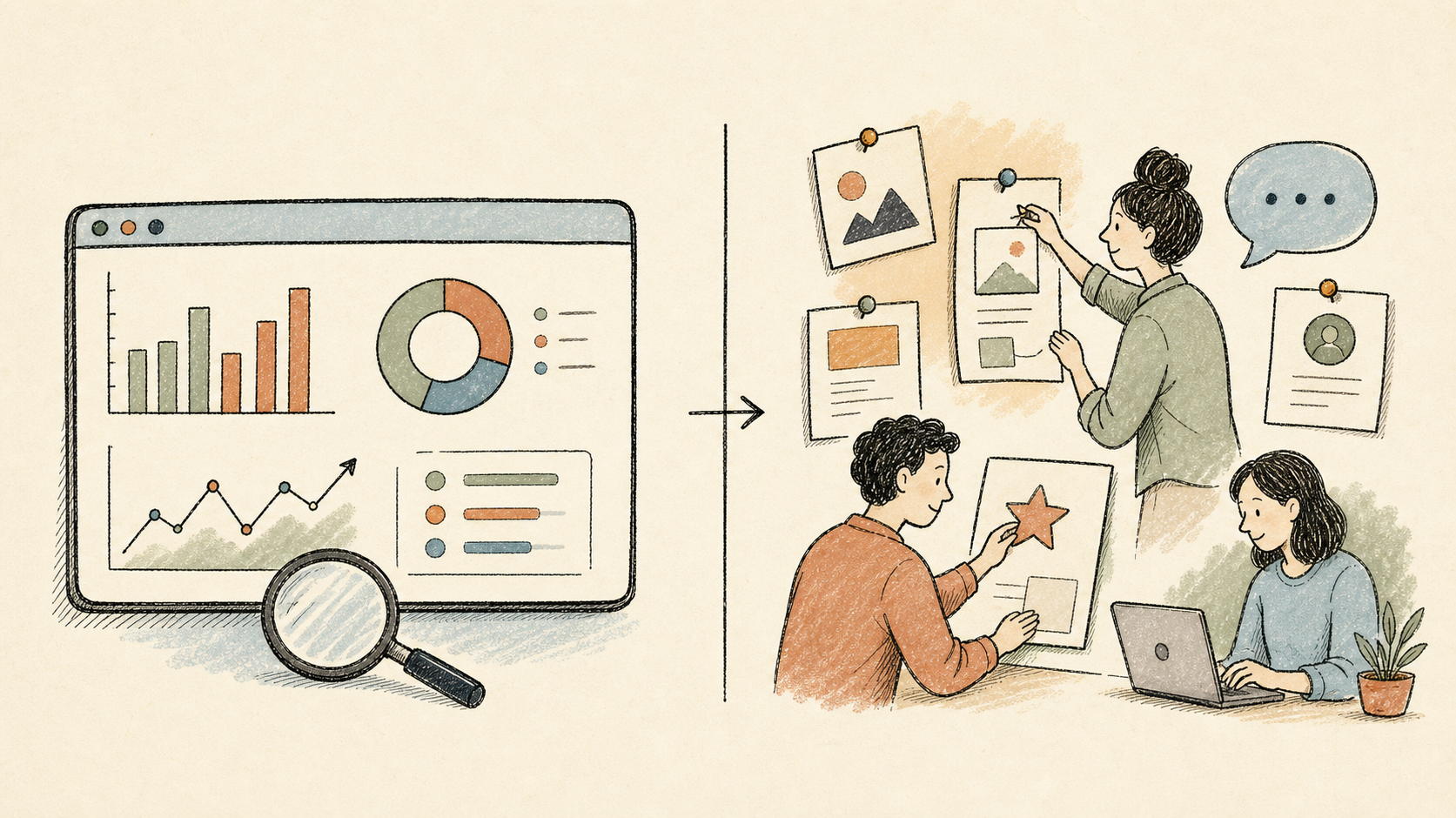
If you want a dashboard that shows where you stand across engines, you want a platform: Profound, Peec, AirOps, Bluefish, or Scrunch. The category is real and well funded. Profound raised a 96 million dollar round at roughly a 1 billion dollar valuation in February 2026, which tells you how much investors believe measurement alone is worth.
If you want the content shipped, the citations earned, and the visibility actually moved, you want an agency. A simple test: platforms measure AI visibility, agencies change it. Several agencies build their own measurement layer rather than reselling a platform, so you are not always paying for both.
Why most of the work happens off your own website
Here is the finding that should shape your whole decision. In AirOps' 2026 State of AI Search analysis, around 85 percent of brand mentions in AI answers came from third party domains rather than the brand's own site. The Princeton GEO study, the foundational peer reviewed work on this from 2024, found the strongest on-page tactics were adding statistics, quotations, and cited sources, not keyword stuffing. And in practice, community and reference sites dominate what engines cite: one Semrush study found Reddit and Wikipedia among the most cited domains across major models.
The practical takeaway: AI search is closer to an earned media and digital PR problem than a classic SEO problem. An agency whose entire offer is rewriting your pages and adding schema is structurally mismatched to where citations actually come from. The best agencies work on both your owned content and the off-domain sources engines trust.
One caution worth carrying through this whole guide: AI search measurement is young and volatile. Reddit's share of ChatGPT citations reportedly fell from around 60 percent to around 10 percent in roughly two weeks in September 2025. Single numbers are directional, not gospel.
The agencies, compared
Listed alphabetically. Order is not a ranking. Vendor-stated claims are labeled as such.
| Agency | Best for | Model | Pricing signal | Markets |
|---|---|---|---|---|
| Avenue Z | PR-led AI visibility | Done-for-you retainer | Not public | US, global |
| Gushwork | Low-touch SMB entry | Productized subscription | From about 800 dollars per month | US heavy |
| NoGood | AEO inside full growth | Retainer plus own tool | Service not public | US, global |
| Omnius | Technical GEO for SaaS and fintech | Done-for-you agency | Not public | Global |
| Radyant | European B2B scaleups | Retainer, 6 month minimum | Not public | DE, EU |
| Schmitdy | Managed AI search with a guarantee | Done-for-you plus builds | From $1,500 per month | US, UK, Germany |
| Single Grain | AI search inside a full funnel | Full-service retainer | Not public | US, global |
Avenue Z
A PR-led agency that earns AI visibility through authoritative media placement. Its wedge is treating earned media as the mechanism that generates the high authority third party signals AI engines cite, which maps directly to the off-domain finding above. Founded by Jeffrey Herzog, who founded iCrossing. Its number one GEO claims are vendor-stated marketing, not independently verified. Best for brands that want AI visibility driven by digital PR and reputation.
Gushwork
A productized service that drives leads from Google and AI search through automated content and backlinks, built on an AI-first CMS that handles structured data and crawlability at scale. It raised around 9 million dollars in seed funding led by Susquehanna Asia in February 2026. Pricing starts around 800 dollars per month, the lowest clear entry point in this set, which makes it a sensible low-touch start for SMBs. Customer base is mostly US.
NoGood
A growth marketing agency that runs answer engine optimization as engine-specific testing, backed by its own Goodie platform, inside a broader paid, creative, and SEO stack. Founded 2017 in New York. Names large brand logos and standout results that are vendor-stated. Best for growth-stage B2B SaaS that wants AEO as part of a full program rather than a standalone retainer.
Omnius
A GEO-native agency built for the discipline from the ground up, exclusive to SaaS, fintech, and AI companies. It offers unusually granular technical work (AI crawler optimization, llms.txt, citation engineering, synthetic query testing) plus a proprietary AtomicAGI citation tracker. Its growth claims are vendor-stated. Best for technical teams that want a tactics-led, measurement-heavy program.
Radyant
A Germany-based agency that engineers content explicitly to be used as a primary source by language models, combining classic SEO with GEO for pipeline. It runs a minimum six month engagement and serves English, German, and Spanish speaking markets. It holds an opinionated, quality-over-volume stance: one excellent, transparent comparison page beats two hundred thin ones. Best for fast-growing B2B and professional services teams in European markets.
Schmitdy
A done-for-you AI search service from AI Heroes that pairs human growth strategists with always-on AI agents to get brands recommended across ChatGPT, Claude, Perplexity, Gemini, and Google AI Overviews. It works across both owned content and the off-domain sources engines trust: on-site optimization, evergreen content built for citations, community engagement, and editorial placement. Pricing is public, which is rare in this set: a productized AI search website from $200, and a managed retainer from $1,500 per month with a stated term that returns half the fee if agreed goals are missed. It serves the United States, the United Kingdom, and Germany. A newer entrant whose case rests on transparent pricing, a guarantee, and a published method rather than a long public client list. Disclosure: Schmitdy is AI Heroes' own AI search service, and AI Heroes publishes this directory.
Single Grain
An established revenue marketing agency offering AEO and GEO inside a full-service mix, led by Eric Siu, whose media footprint gives outsized distribution. Best for growth-stage companies that want AI search as part of a broader paid and organic program. Pricing is not public. A large client count and average return figure are vendor-stated.
How AI engines actually choose what to cite
The honest answer is that nobody controls it, and the rules shift. But the evidence points in consistent directions. Position matters: a page ranking first in classic search has a far higher chance of being cited in an AI answer than one ranking tenth. Structure matters: answer-first sections, comparison tables, statistics, and clear citations all help an engine lift your content cleanly. Off-domain authority matters most: the reviews, forums, communities, and editorial coverage that engines treat as trusted sources.
Schema is genuinely contested, and a careful buyer should know it. Some studies show large citation gains after a schema rollout; a large Ahrefs analysis of 1,885 pages found no statistically significant uplift. The honest synthesis is that structured data reduces ambiguity about who you are, which is a confidence input, but it is not a reliable citation lever on its own. Be wary of any agency that sells schema as the whole answer.
How to choose an AI search agency
- They measure citation share by engine, not a single blended score. A real agency baselines how often you are cited across ChatGPT, Perplexity, Gemini, Claude, and Google AI Overviews before proposing work. If they only show Google Search Console data, they are selling SEO.
- They earn off-domain presence, not just on-site edits. Given that most citations come from third party domains, ask exactly how they earn digital PR, community, review, and editorial coverage. This is the question that separates real GEO from relabeled SEO.
- They close the loop from measurement to shipped work. Tracking is a tool's job. An agency should turn gaps into published content and placements, then show the change in citations.
- They can show before and after citation numbers on real accounts. Ask for live dashboards and a documented method, not impressions or vanity traffic.
- They are transparent on output, coverage, and price. Cost per content unit, monthly output, and which engines, markets, and languages they actually cover.
Red flags
- Guaranteed citation placement. No one controls how a model selects sources, and citation accuracy is itself poor: one 1,600 query study found AI engines returned incorrect citation information more than 60 percent of the time. A placement guarantee is a red flag.
- Reporting in impressions or traffic rather than citations, mentions, and pipeline.
- A GEO label on what is plainly old SEO work, often priced too low to cover real off-domain effort.
What it costs, and how long it takes
Pricing guides converge on a consistent shape. Self-serve tools run roughly 29 to 489 dollars per month. Entry programs run roughly 1,000 to 2,500 dollars per month. The common mid-market sweet spot is roughly 3,000 to 10,000 dollars per month. Enterprise programs run 10,000 to 25,000 dollars and up. One-time audits run roughly 1,500 to 5,000 dollars.
On timing, agencies consistently cite 3 to 4 months to first meaningful results. Engines need time to crawl, index, and trust new content and citations, so visibility compounds rather than switching on. A realistic point to judge return is around month three to six, once citations are consistent and you can see assisted conversions.
Methodology and disclosure
AI Heroes publishes this directory and lists Schmitdy, its own AI search service, by the same criteria as every other entry. We separate done-for-you agencies from the tracking platforms many lists confuse them with. Funding figures are drawn from public reporting. Client results, growth multiples, and ranking claims are labeled as vendor-stated where they come only from a company's own marketing. If you run one of these agencies and want a profile corrected, contact us.
The agent built for this

Schmitdy
Turns ChatGPT, Claude, Gemini, and Perplexity into your next growth channel.
Meet SchmitdyFrequently Asked Questions

Founder, AI Heroes
I build AI companies and the systems inside them. At AI Heroes, we give businesses the functional capacity to grow without the headcount growth normally demands — sales that follows up, marketing that runs, content that ships, ops that handles itself. We audit where you're leaving growth on the table, build the team that captures it, and hand it over completely.
I've built at scale before. Leading product and GTM at SlideSpeak AI (1M+ monthly users, profitable, bootstrapped). CPO at Disperse — the AI construction platform that went from 3 to 200+ people on $35M raised. I also co-founded LOBOMAR, a luxury fashion label featured in Elle, Cosmopolitan, and the LA Times, with shows at the London Design Museum, Wereldmuseum, and Amsterdam Fashion Week.
Related Articles
AEO vs GEO vs SEO: The Difference, and Which One You Need in 2026
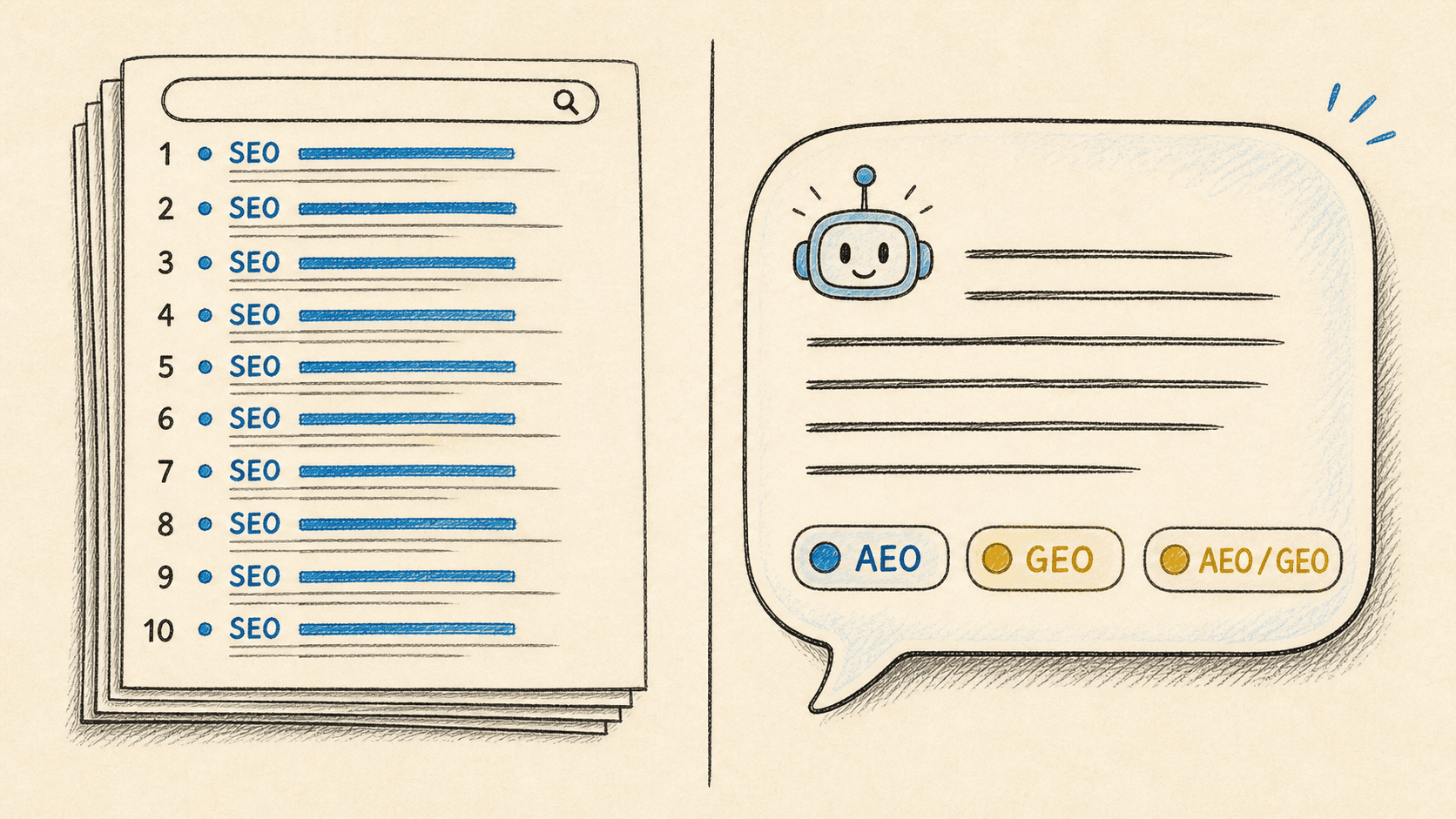
SEO ranks links in classic search. AEO (Answer Engine Optimization) and GEO (Generative Engine Optimization) optimise to be cited inside the AI-generated answer in ChatGPT, Perplexity, Google AI Overviews, Gemini and Copilot. AEO and GEO are near-synonyms for the same goal; SEO is a separate, still-necessary discipline that feeds the retrieval pool. The practical answer in 2026 is that you do all three, but you measure AEO/GEO on citation share, not blue-link position, and the winning levers (off-site footprint, entity authority, content shape, freshness) sit mostly off your own site.

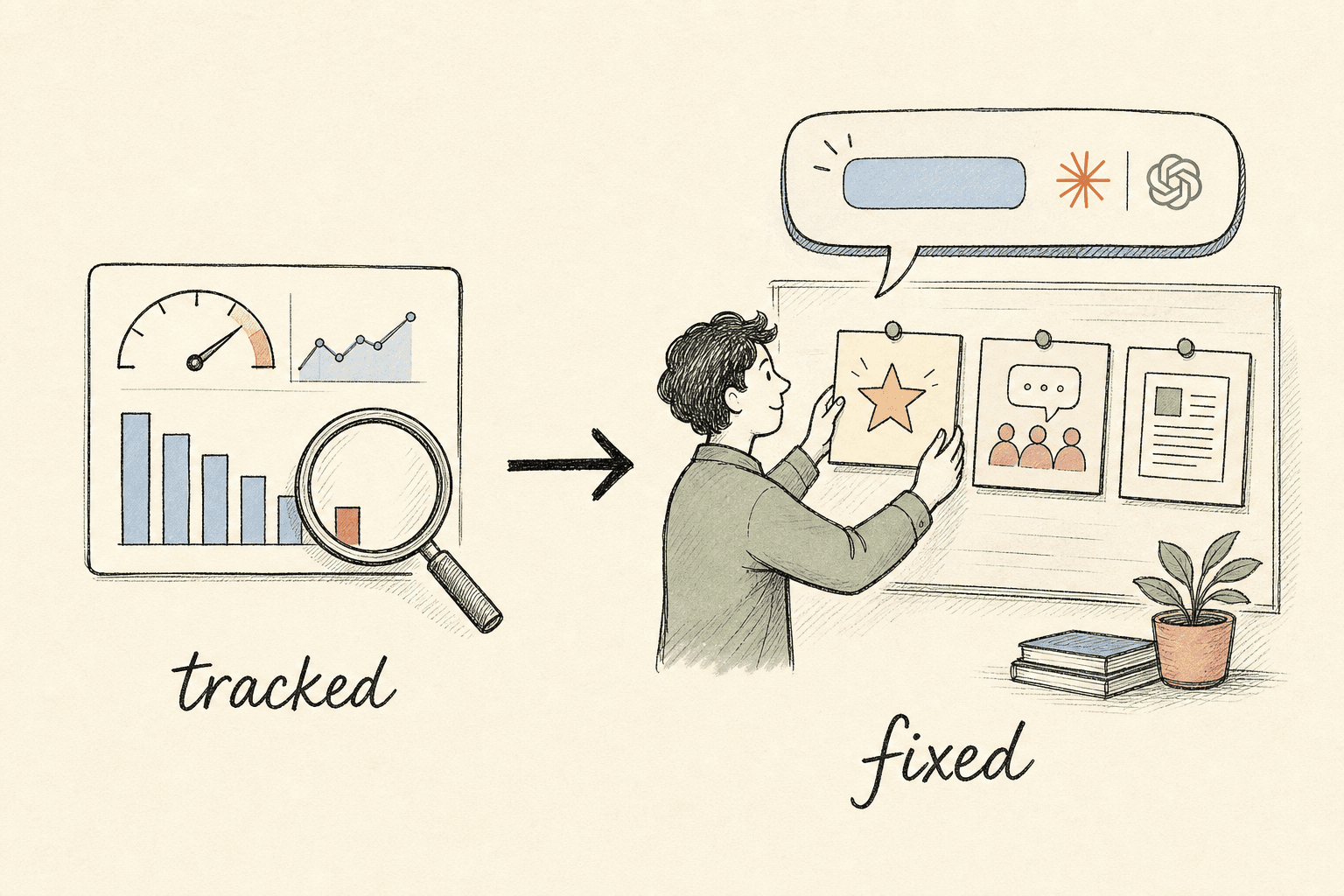
You're Tracking AI Search Visibility. Who's Actually Fixing It?
AI search visibility tools tell you where your brand is missing from AI answers. They don't fix it. Here's why the number doesn't move when you only buy the dashboard — and what closing the gap actually takes in 2026.
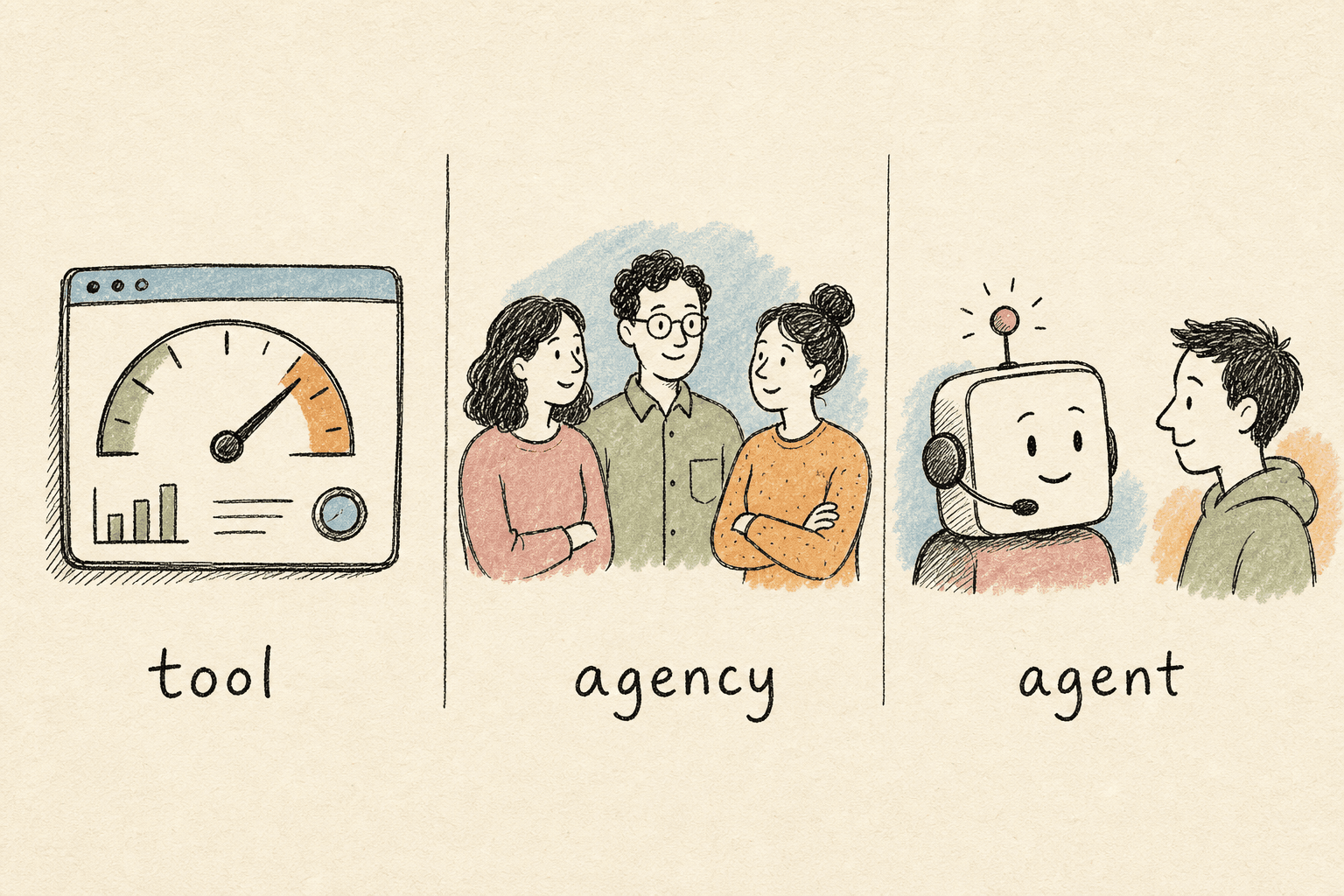
AI Search Tool vs Agency vs Agent: Which Do You Actually Need in 2026?
There are three ways to improve your AI search visibility, and they're layers of the same stack, not rivals: a tool (Peec, Profound) measures where you stand; an agency executes the optimisation work with people; an agent — an AI-search agent — does the recurring volume under human review. A tool changes your understanding, not the answer. An agency changes the answer but costs the most and moves at human speed. An agent does the volume at mid-market cost with humans owning quality and strategy. In 2026 most teams keep a tool and add one execution layer — the real decision is which one.