Blog
Practical case studies and honest takes on using AI for business. Real implementations, real results — no fluff, no jargon.

Microsoft Scout, Explained: The Always-On 'Autopilot' Built on OpenClaw
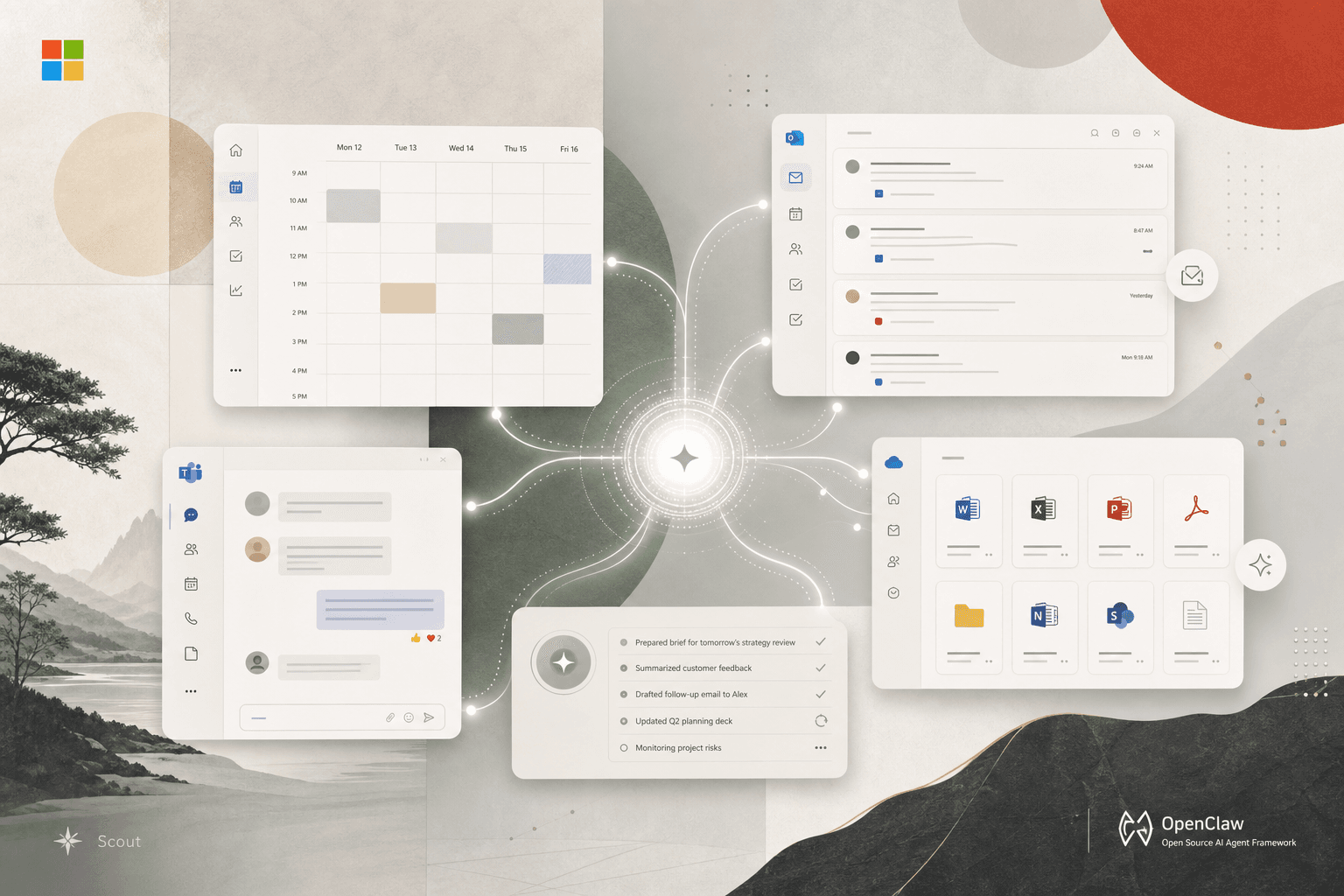
Microsoft Scout is the first of a new category Microsoft calls 'Autopilots' — a Windows and macOS desktop agent that acts on your files, shell, browser and Microsoft 365, and works autonomously in the background. Here's what's actually confirmed, what isn't, how to get it, and why it's built on the open-source OpenClaw framework.


How to Get Electrician Leads from Facebook Groups in 2026 (Without Getting Banned)
Local Facebook groups are still one of the best free sources of UK electrical work — but posts get buried in hours and the shortcuts people use to scale it get accounts banned. Here's how the channel really works in 2026.
AI Search Tool vs Agency vs Agent: Which Do You Actually Need in 2026?
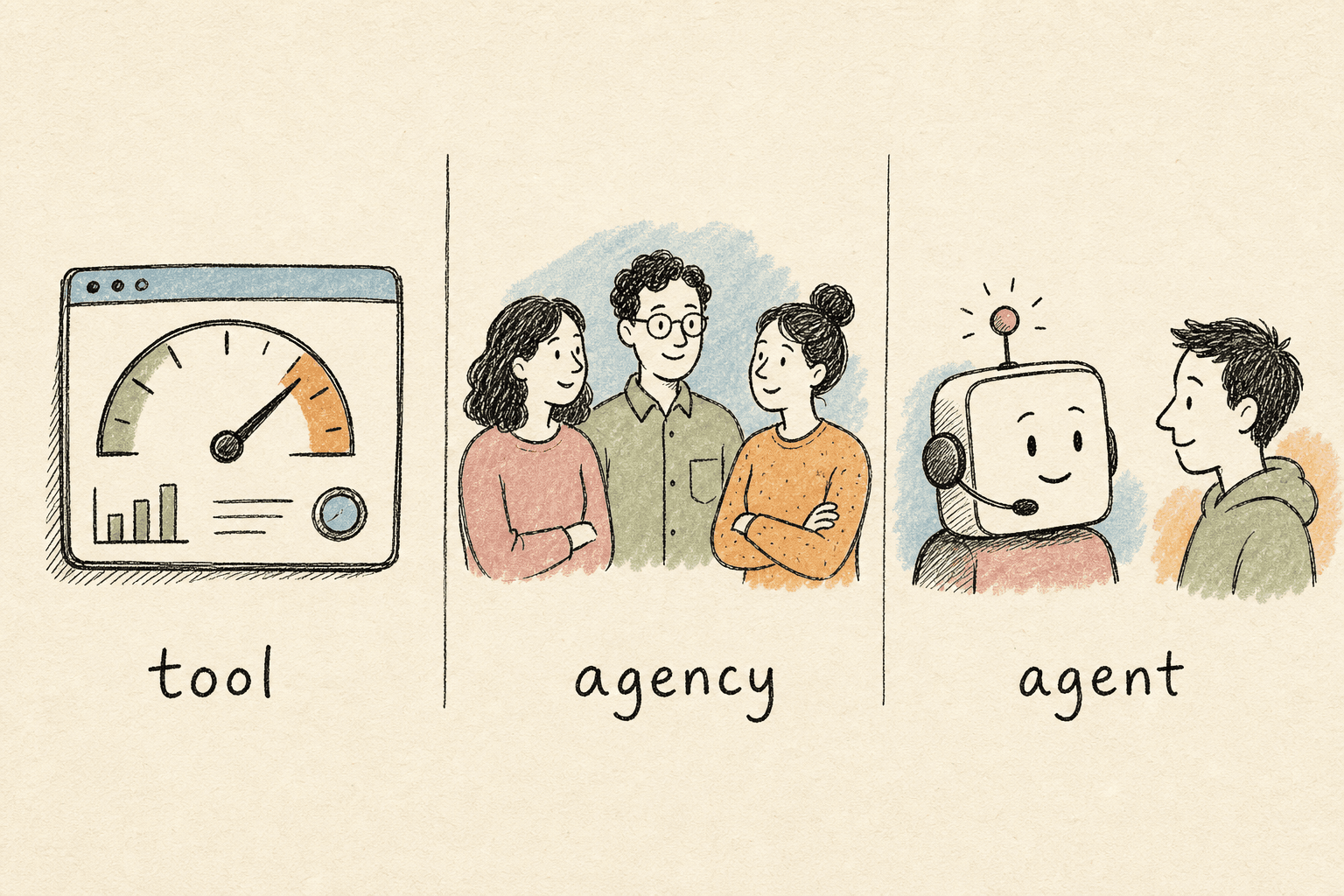
There are three ways to improve your AI search visibility, and they're layers of the same stack, not rivals: a tool (Peec, Profound) measures where you stand; an agency executes the optimisation work with people; an agent — an AI-search agent — does the recurring volume under human review. A tool changes your understanding, not the answer. An agency changes the answer but costs the most and moves at human speed. An agent does the volume at mid-market cost with humans owning quality and strategy. In 2026 most teams keep a tool and add one execution layer — the real decision is which one.
How to Build AI Agents on the Peec AI MCP for AEO and GEO (2026)
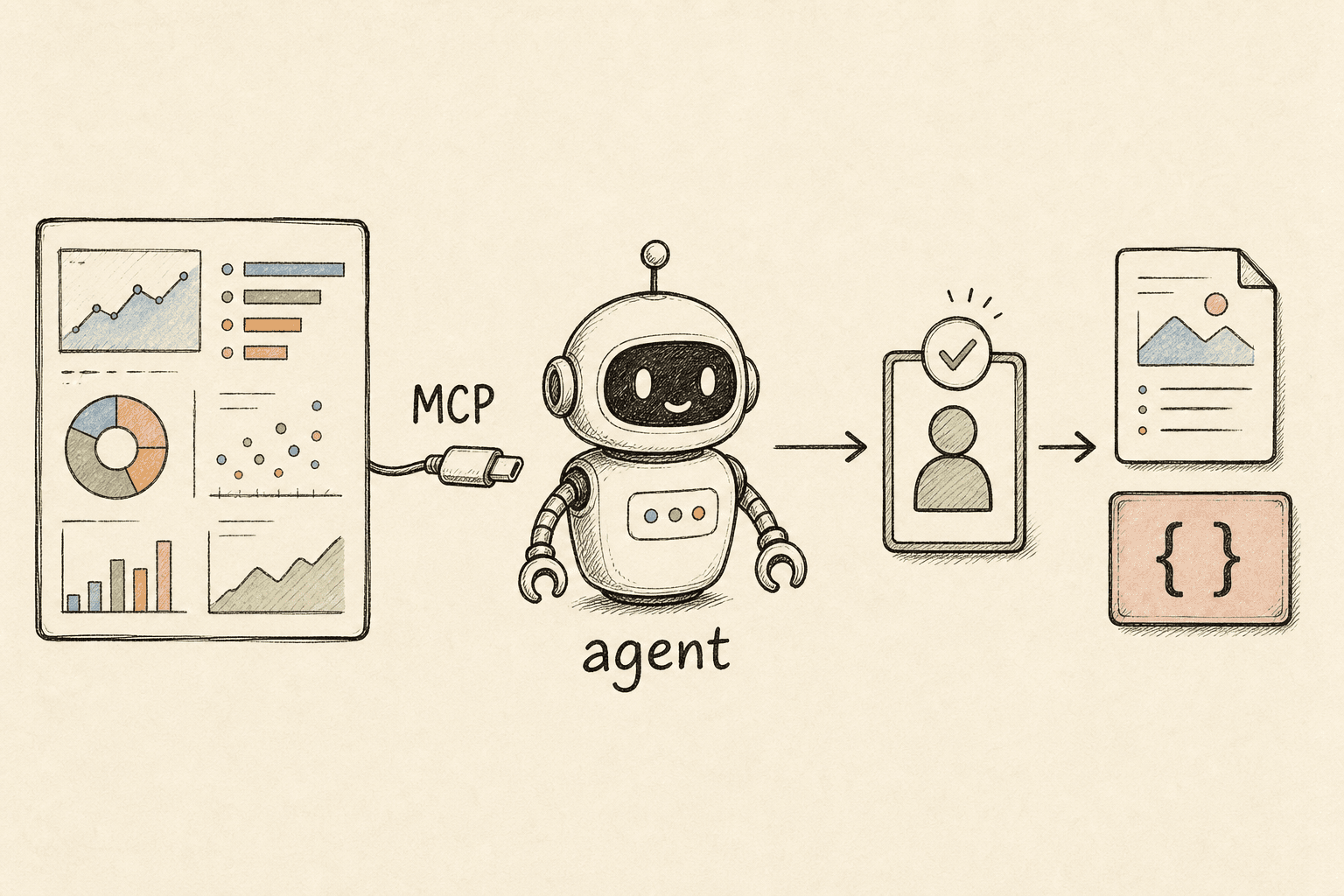
In late 2025 Peec AI shipped an official MCP server, which makes its entire AI-search measurement layer — projects, prompts, per-engine brand visibility, full AI answer transcripts, the source/citation graph and scored Actions — directly callable by an LLM agent. That means you can wire a Claude or GPT agent straight to the ground truth of how ChatGPT, Perplexity, Gemini and AI Overviews answer your category, and have it reason over the data and draft the work to close the gaps. The defensible build pattern is a read-only, five-stage loop with a human ship gate: the agent triages and drafts; a person verifies and ships.
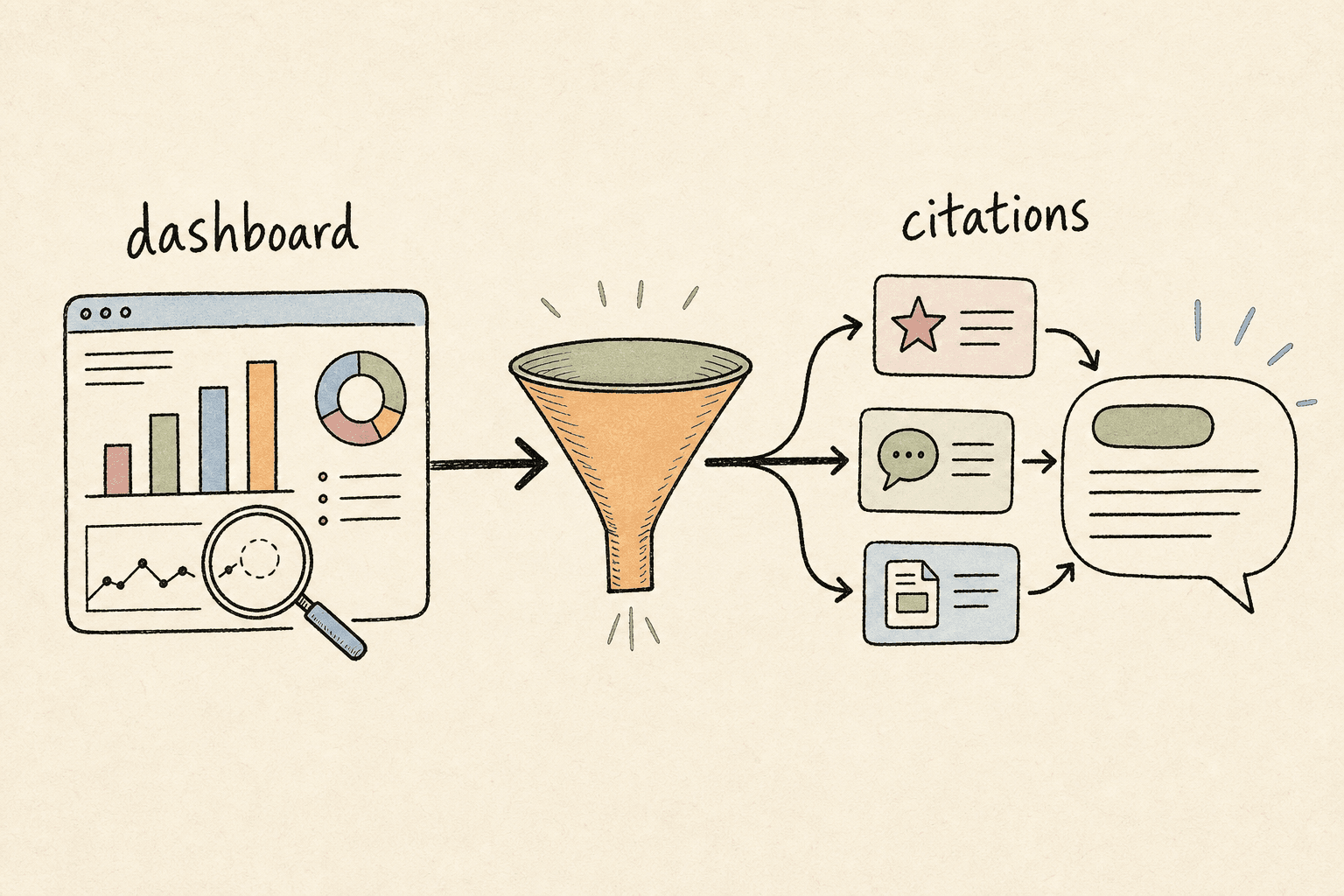
From Peec or Profound Data to AI Citations: A 5-Step Playbook (2026)
Your Peec or Profound dashboard tells you where you're invisible in AI answers, but a visibility score is an outcome, not an instruction. Turning the data into citations is a five-step job: read the gap reports rather than the vanity metric, turn the cited sources into a third-party target list, fix the pages that are retrieved but not cited, build the off-site footprint the data points to, then re-measure the delta on a cadence. The highest-leverage move is the source/domain gap report — the third-party sites citing your competitors but not you. Most of the work lands off your own domain and has to recur, which is the gap between owning a dashboard and moving its numbers.
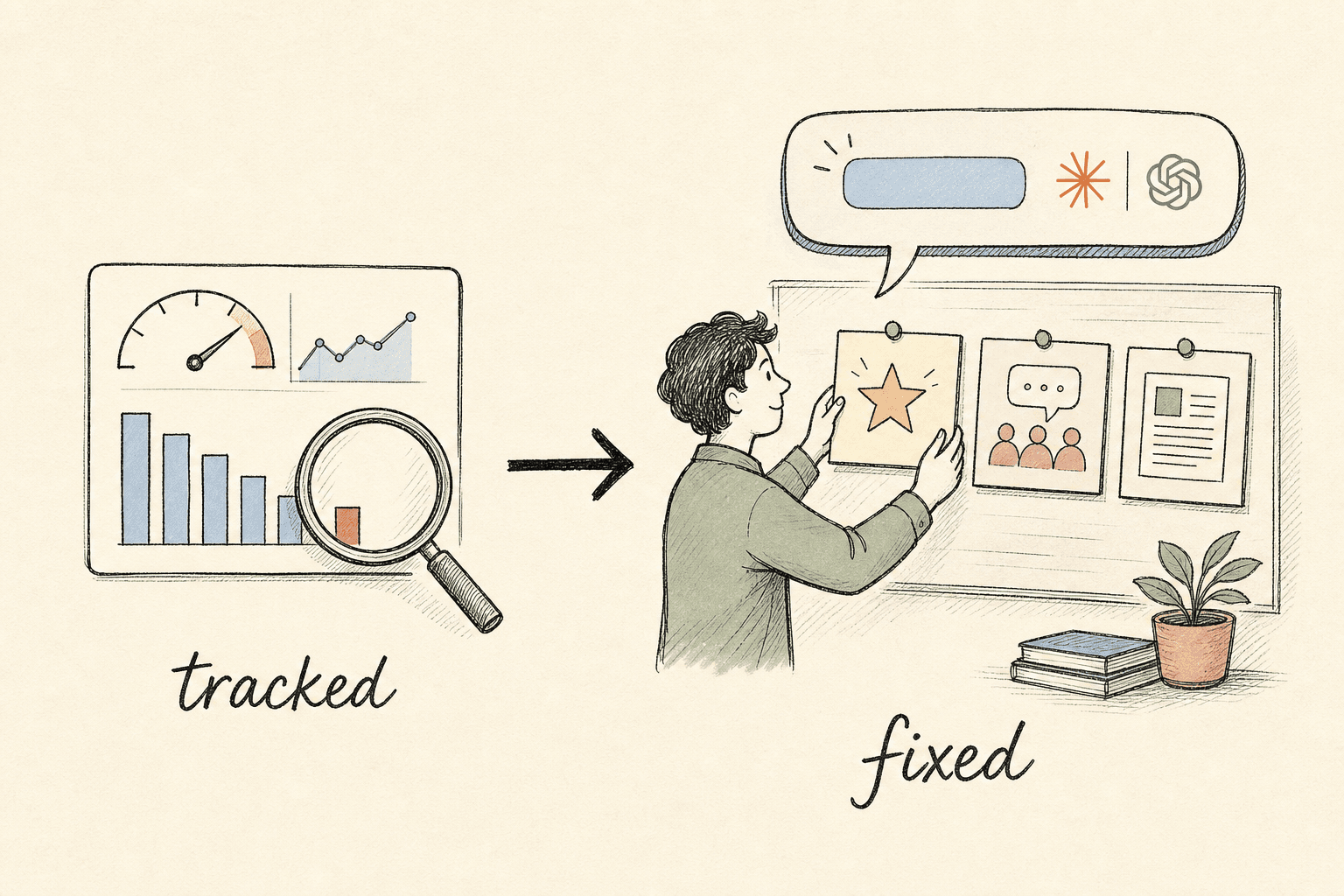
You're Tracking AI Search Visibility. Who's Actually Fixing It?
AI search visibility tools tell you where your brand is missing from AI answers. They don't fix it. Here's why the number doesn't move when you only buy the dashboard — and what closing the gap actually takes in 2026.
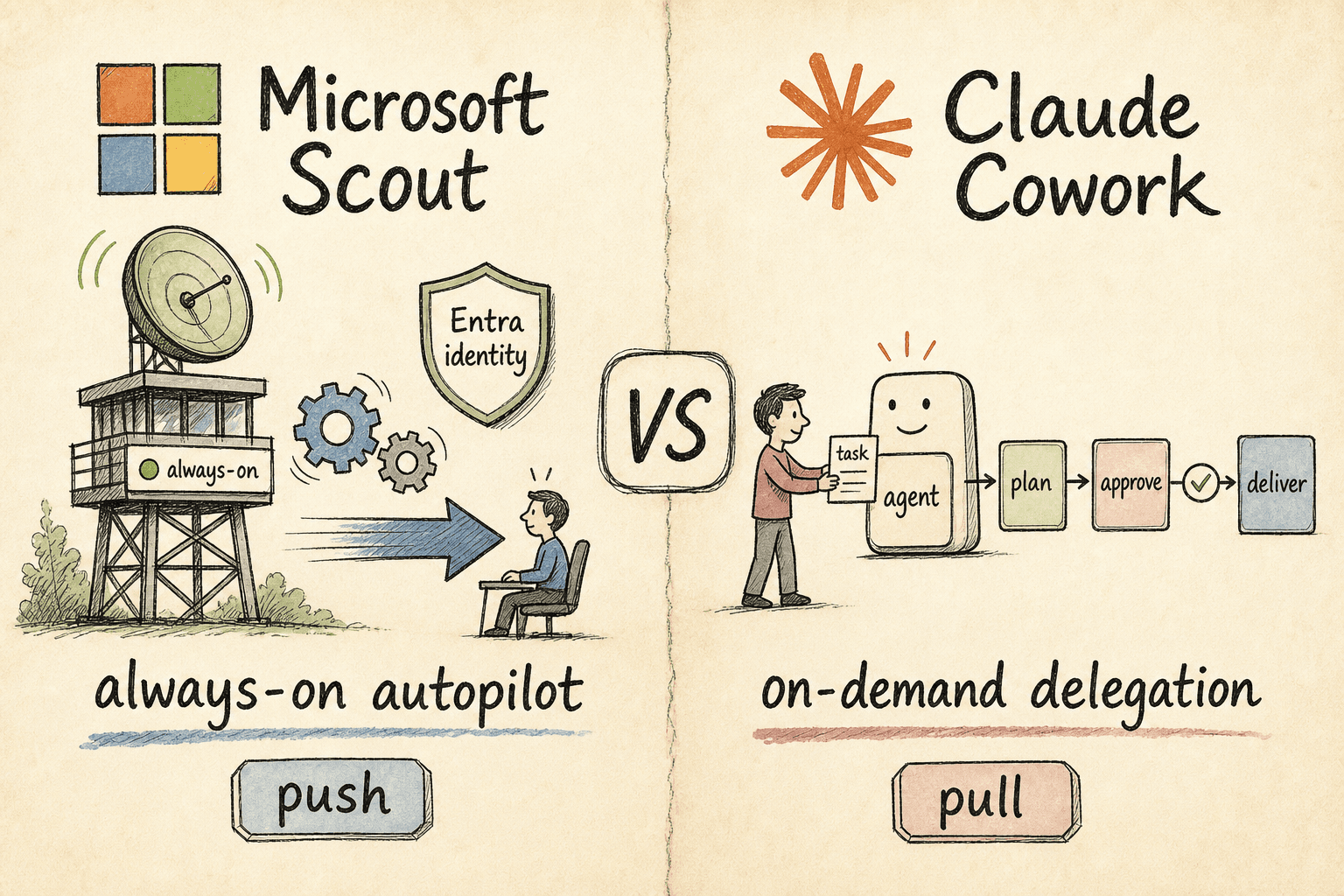
Microsoft Scout vs Claude Cowork: Autopilot or Delegation?
Two of 2026's biggest agent launches make opposite bets. Microsoft Scout is a desktop autopilot that runs in the background and acts on your behalf; Claude Cowork waits for you to hand it a task, then delivers. One is push, the other pull — here's which fits your team.
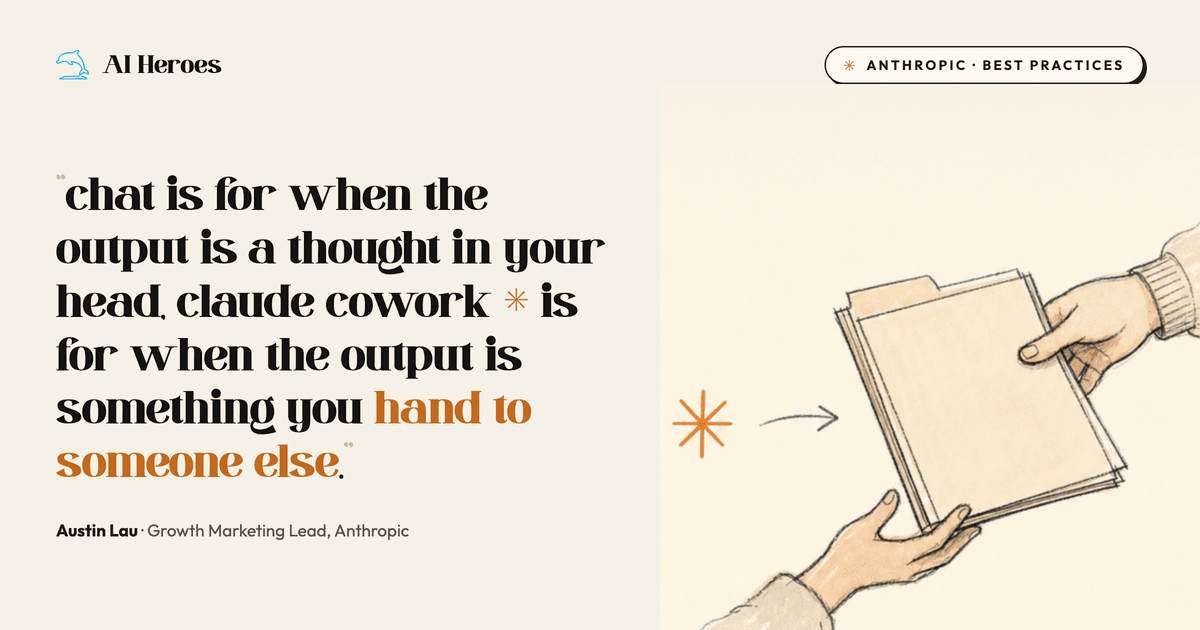
How to Get Started with Claude Cowork: A Decision Framework for Knowledge Workers (2026)
Claude Cowork is where you delegate a whole task instead of asking a question — point it at your files and apps, describe the outcome, get finished work. The hard part isn't the prompt, it's knowing which tasks to hand it. Here's a 5-signal fit test, the three shapes a Cowork task can take, and how to get your first deliverable in ten minutes.
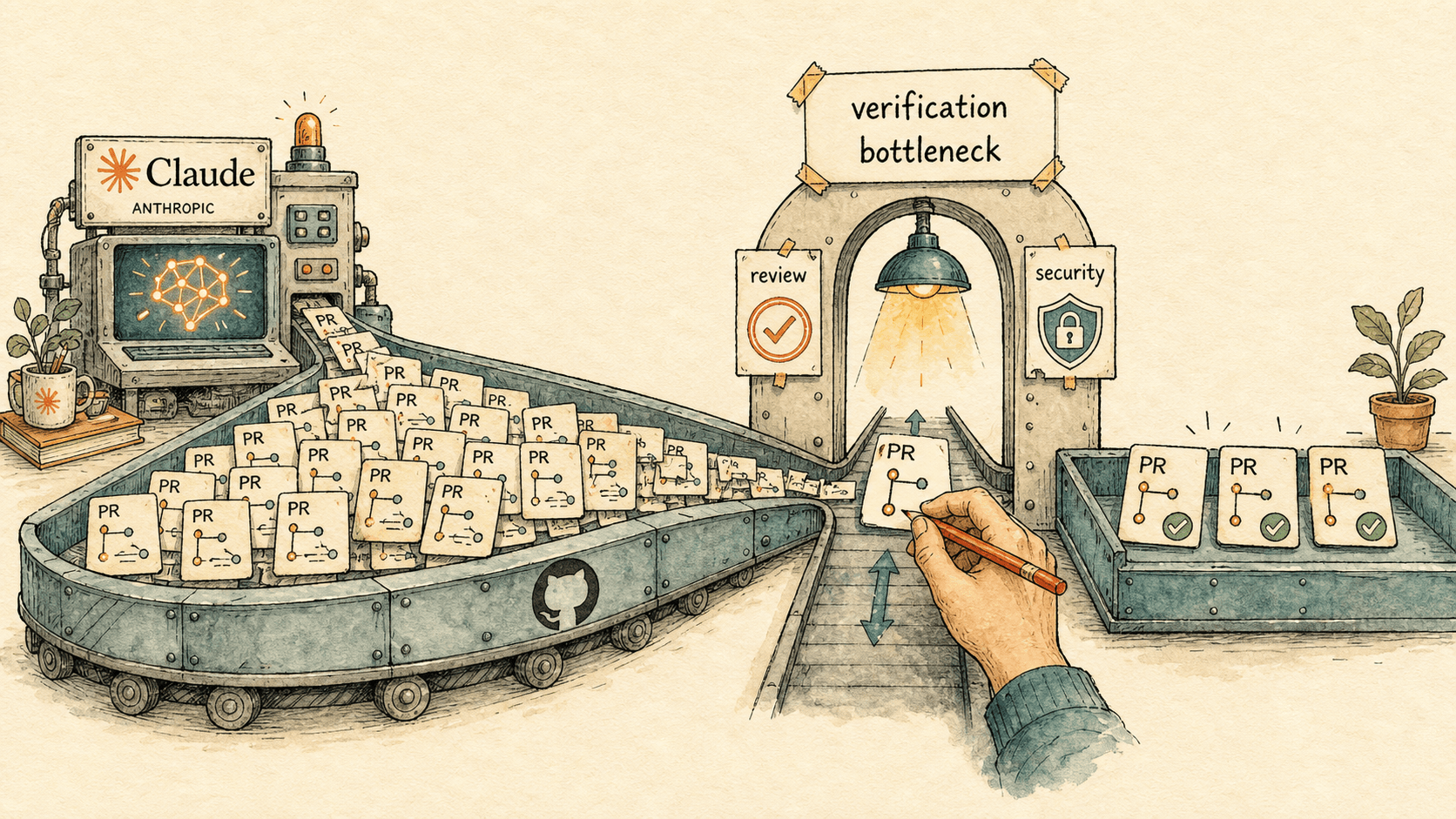
How to Run an AI-Native Engineering Org in 2026
Agentic coding doesn't remove the engineering bottleneck — it moves it from writing code to verifying it. Here's the 2026 operating model for an AI-native engineering organization: the processes to rewrite, how code review changes, and the metrics that prove it's working.
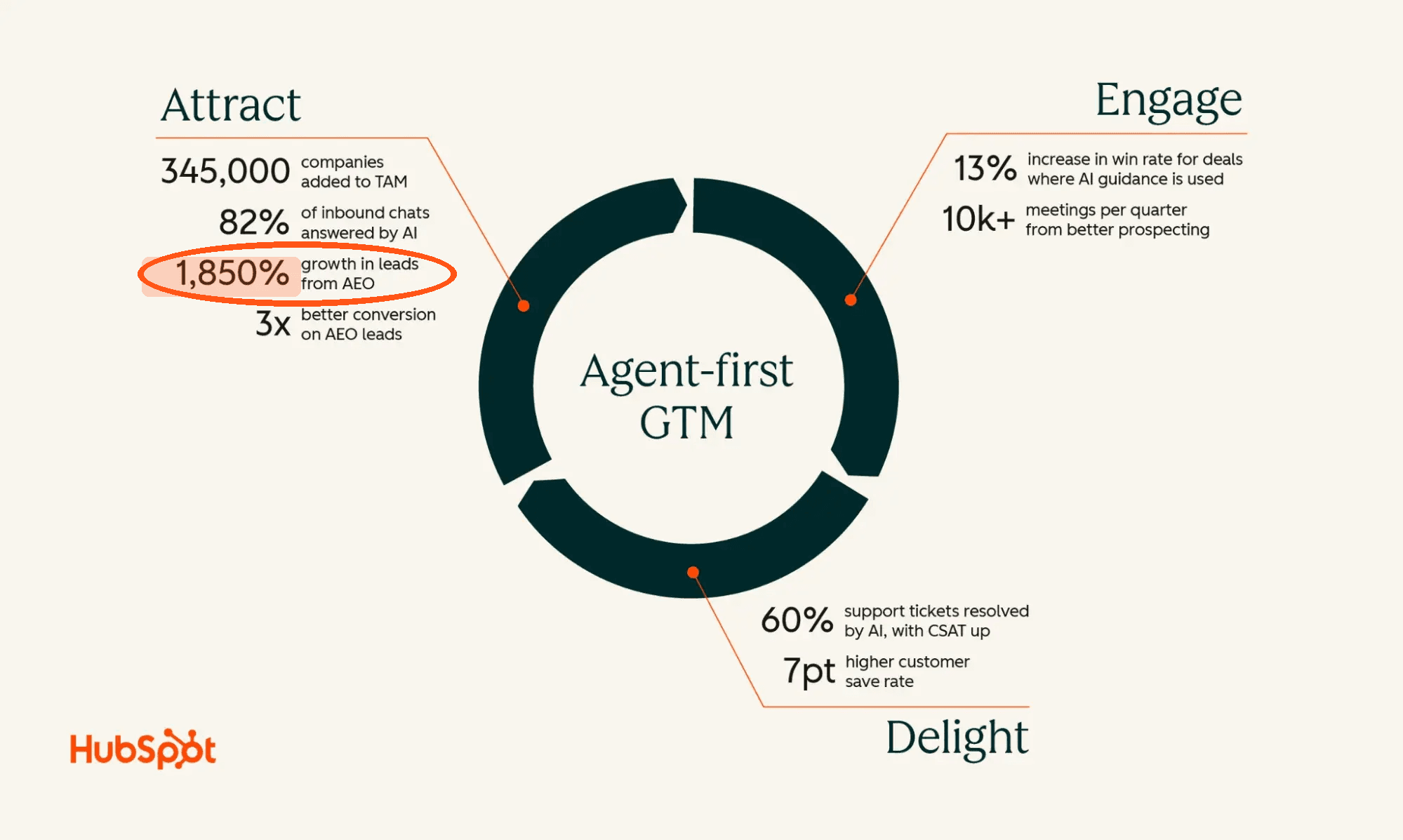
Agent-First GTM in 2026: The Real Landscape, the Pricing Tell, and the Stage Nobody Owns
Agent-first GTM is no longer a slide. HubSpot, Salesforce and Microsoft are shipping AI agents across the funnel, but the field divides on autonomy, data ownership and the real tell: pricing.
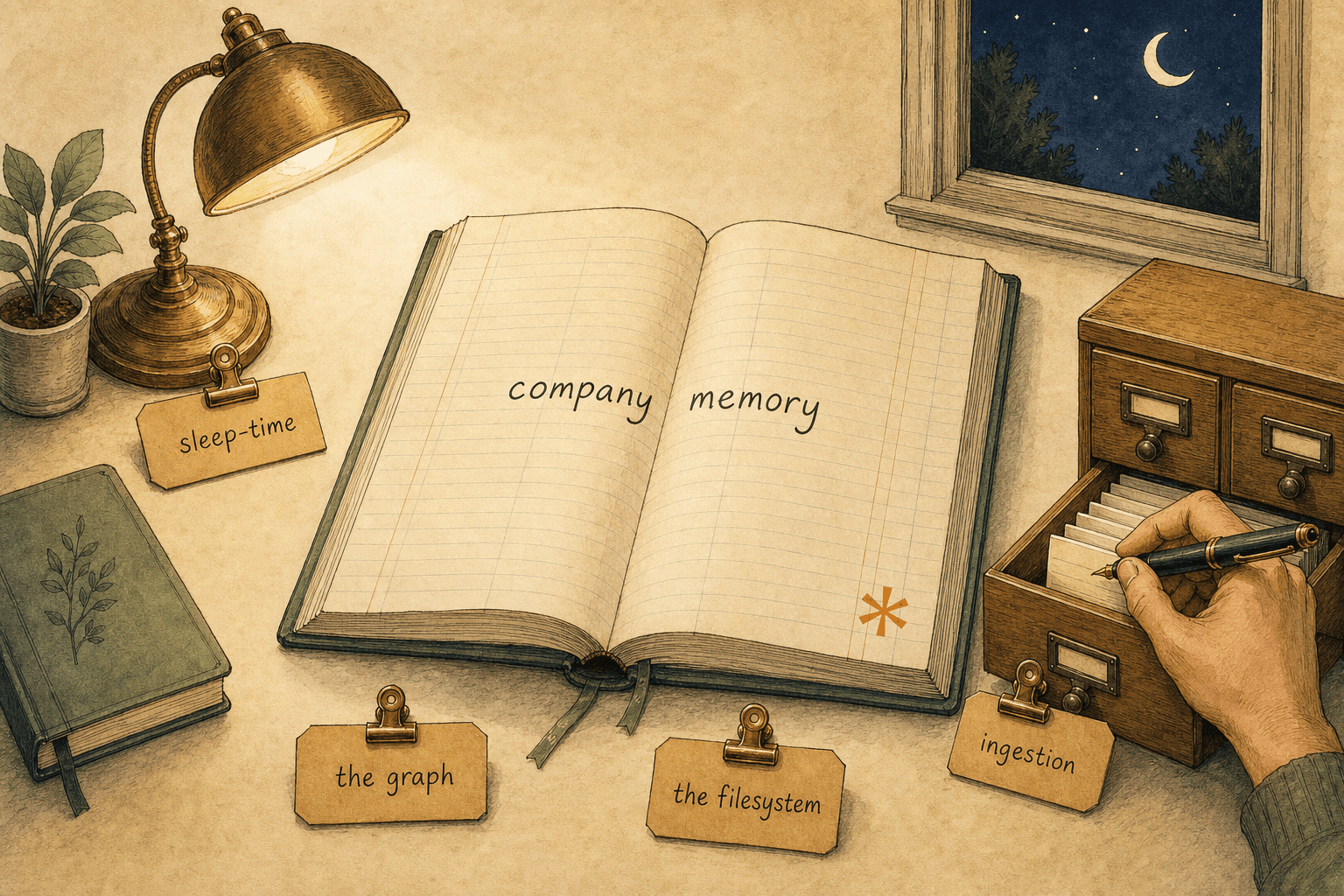
The Company That Remembers
Every business wants an "AI brain." The model was never the hard part — the memory is. A field report on the three schools of AI memory in 2026, the benchmark scandal underneath them, and how a founder should actually choose.
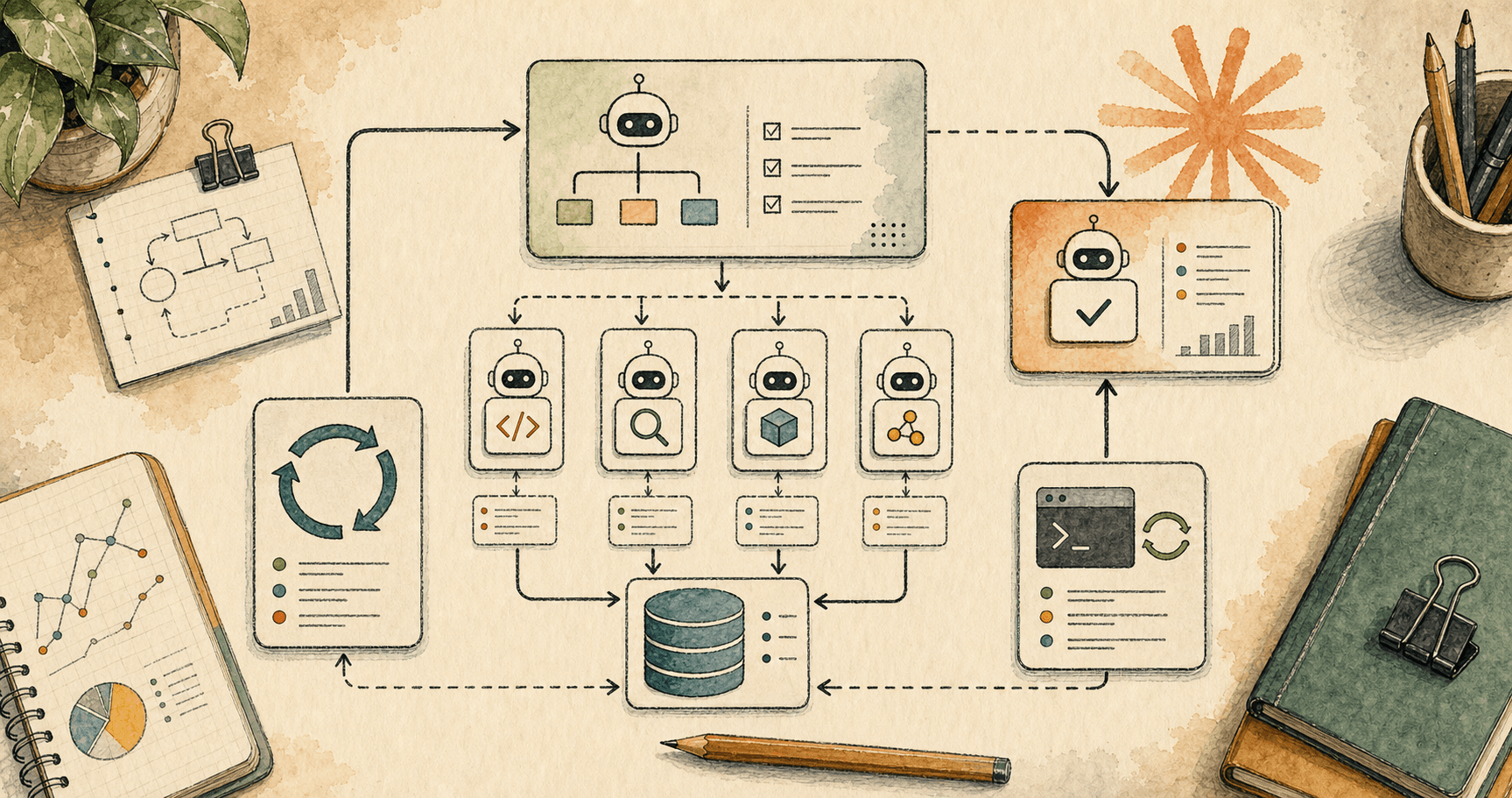
Claude Code Dynamic Workflows: What Is Actually New in 2026?
Claude Code dynamic workflows are not just parallel agents. They turn a prompt into an executable orchestration script that can split work, store intermediate results, cross-check findings and return one synthesised answer.
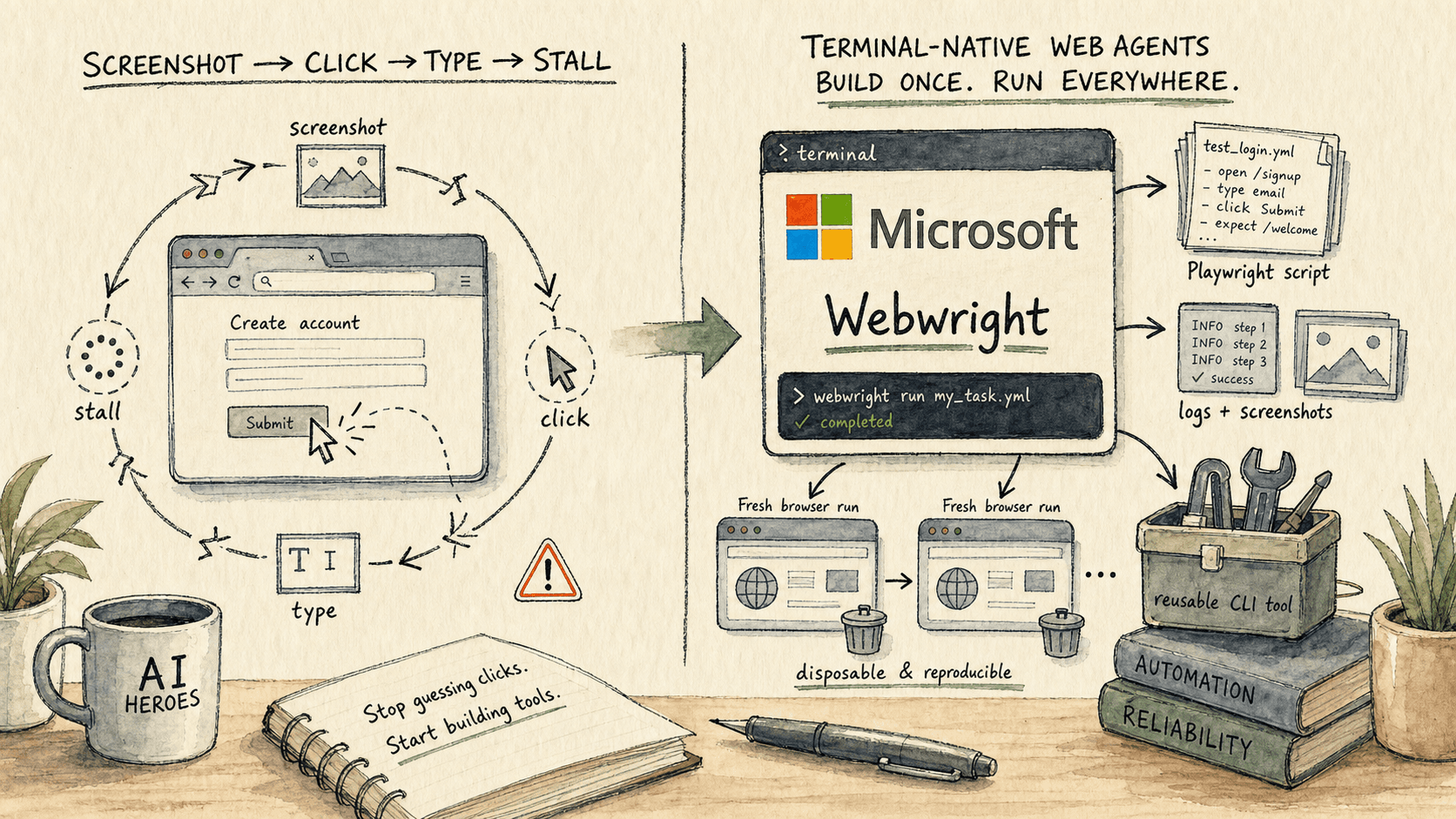
What Are Terminal-Native Web Agents? Microsoft Webwright and the End of Click-by-Click Computer Use (2026)
The next reliable web agent will not just click better. Microsoft Webwright points at the real shift: terminal-native agents that turn repeated browser work into Playwright code, logs, screenshots, fresh reruns, and reusable tools.
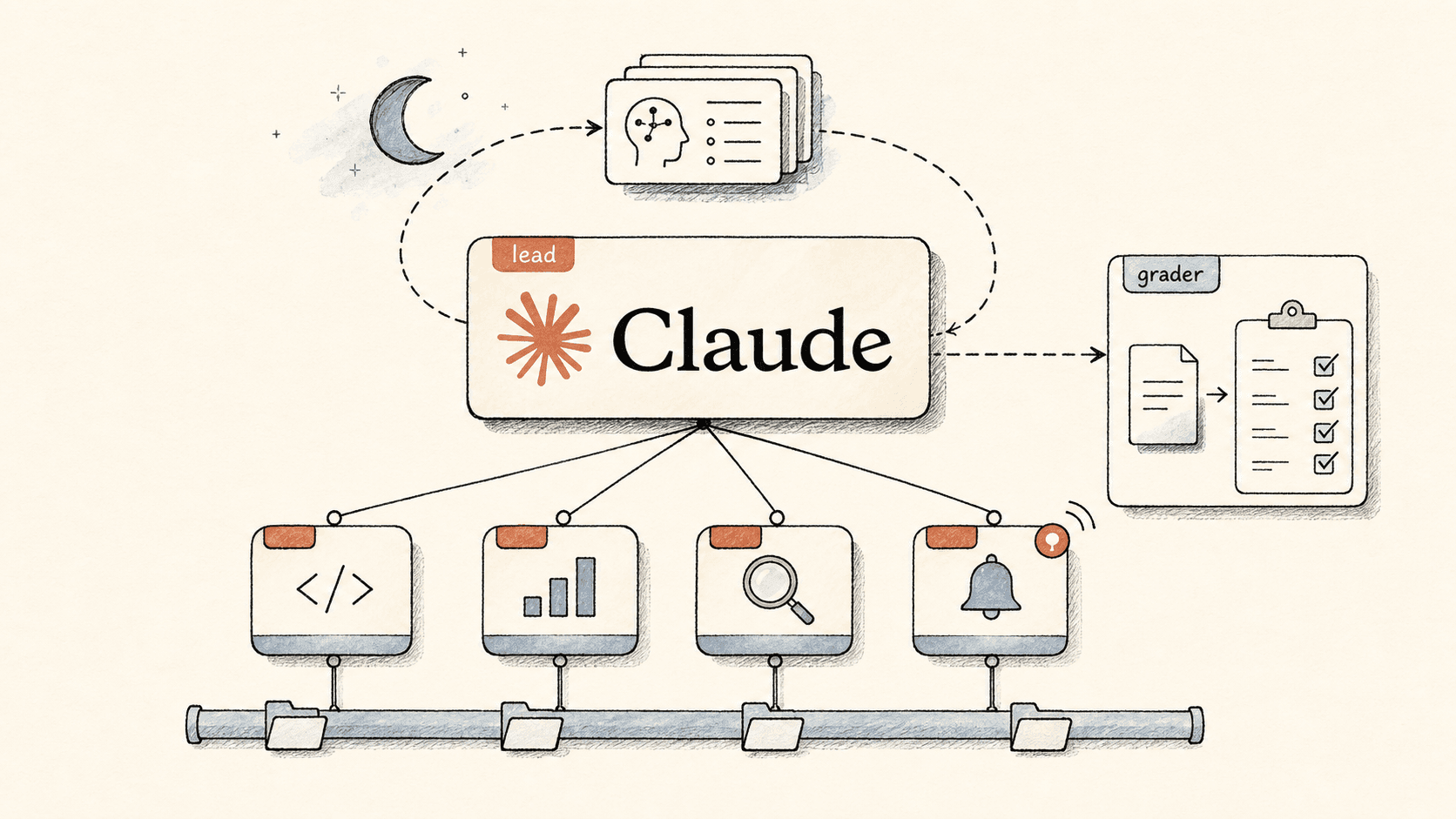
How Claude Managed Agents Actually Work: Dreaming, Outcomes, Multiagent Orchestration, and Webhooks (2026)
Anthropic gave Claude Managed Agents four new mechanics at Code w/ Claude: Dreaming, Outcomes, Multiagent Orchestration, and Webhooks. The one that changes how you build is Outcomes — a separate grader that loops the agent until a rubric is met. Here is how each one works, and when to reach for it.
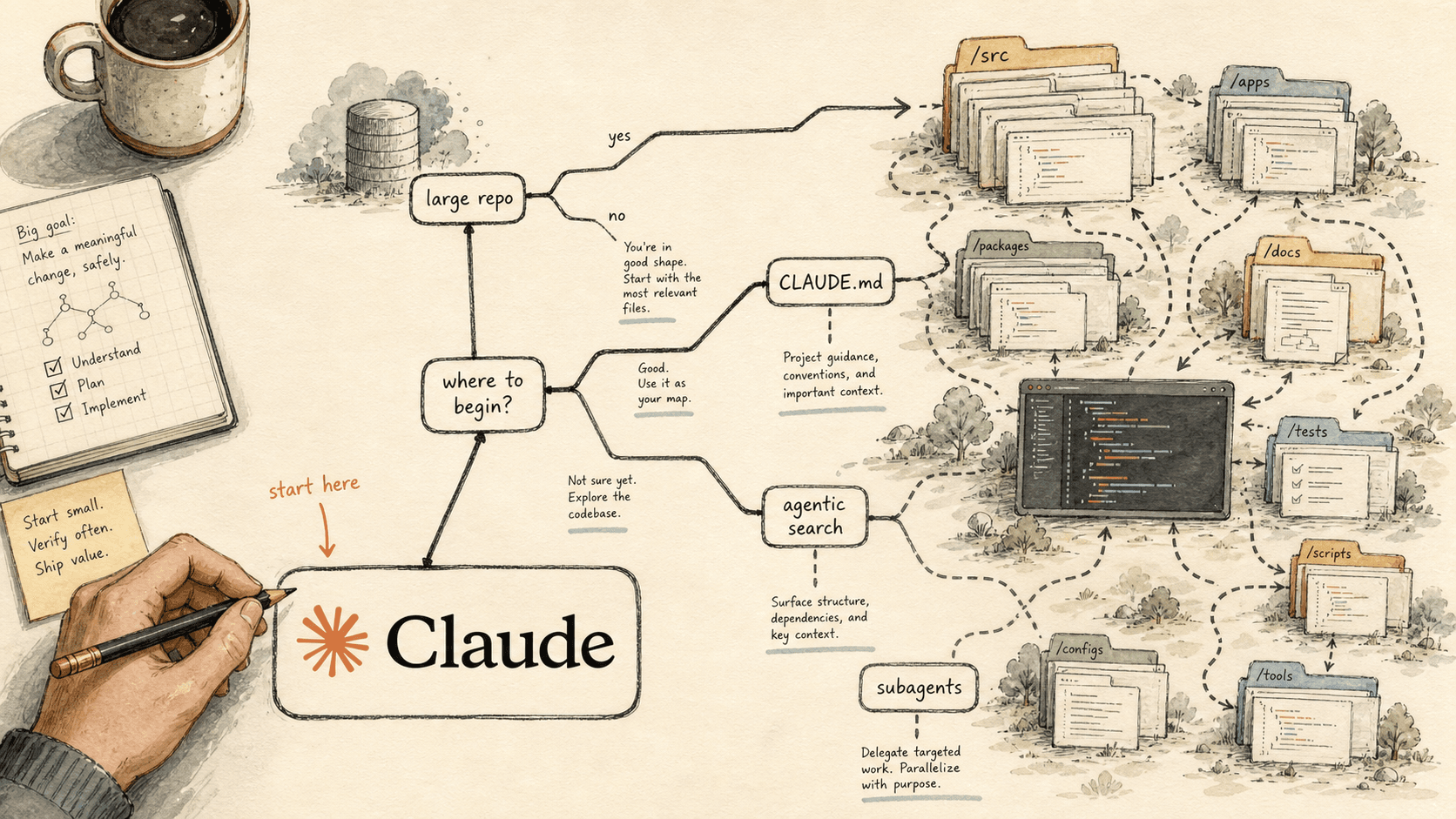
Where to Start With Claude Code in a Large Repo: A Decision Tree (2026)
You do not start a large Claude Code rollout by configuring everything. You start with the one mechanic your repo shape and your actual pain point demand — and ignore the rest until you hit them. This is the decision layer that runs before the build.
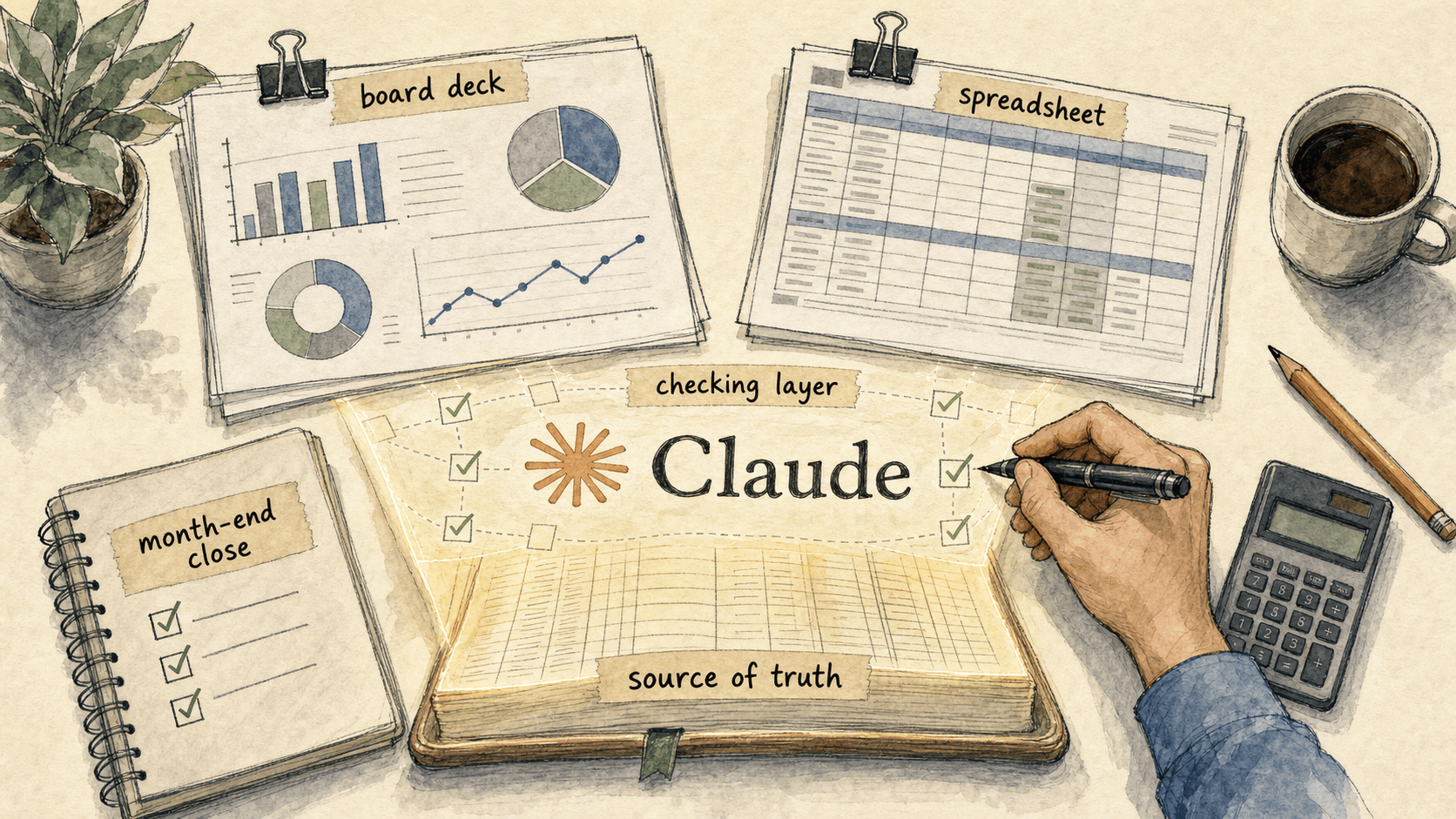
Inside Anthropic's Finance Team: How They Actually Wire Claude Into Board Decks and Month-End Close (2026)
Anthropic markets a Wall-Street-grade finance product — but its own finance team runs a lightweight corporate-FP&A operating model on Claude Cowork, Claude for Excel and a Google connector. The citable thing isn't the product; it's how they wire it into board cycles and the month-end close.
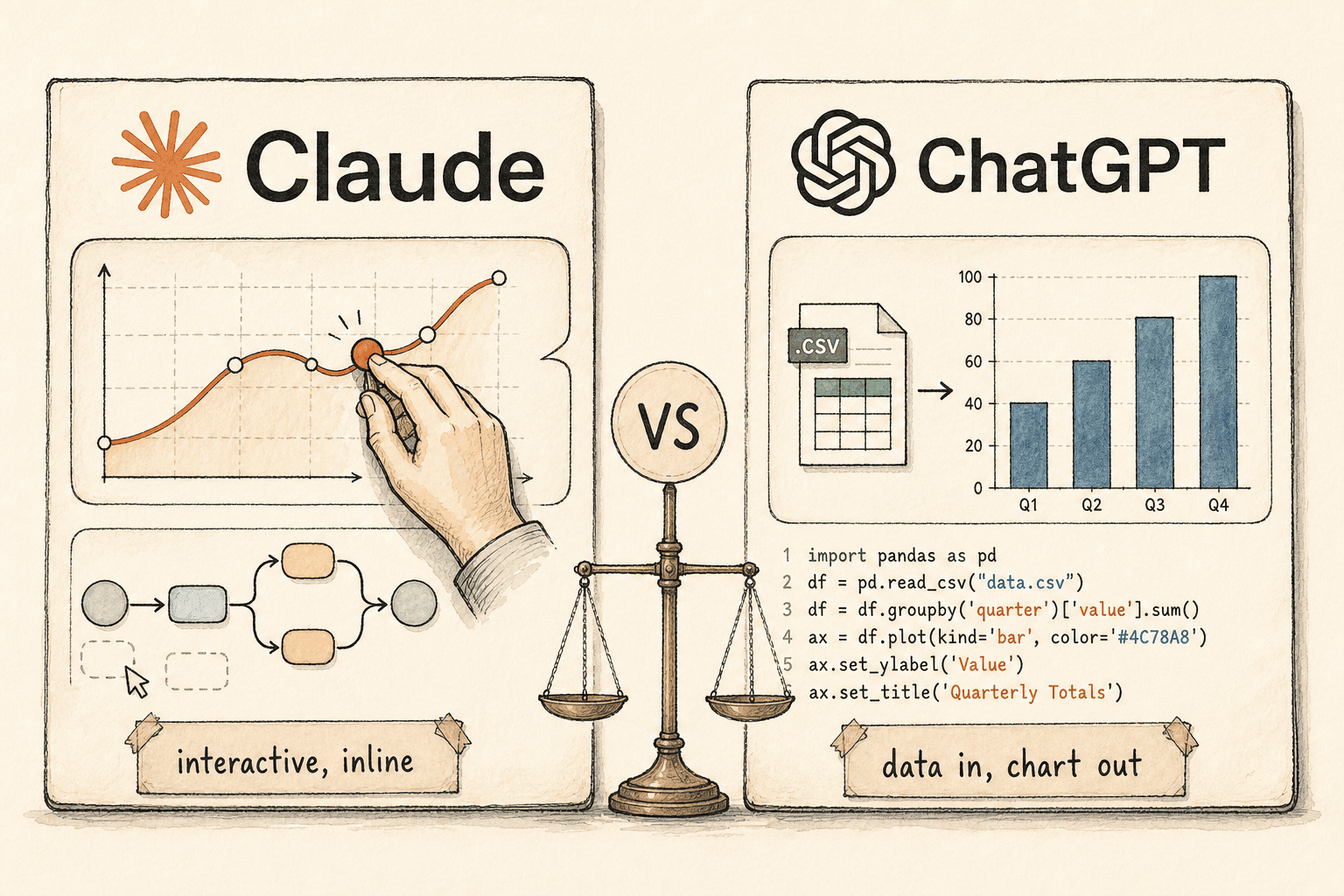
Claude vs ChatGPT for Charts, Diagrams & Visualizations: Which One Should You Use in 2026?
Upload a dataset and need a precise, downloadable chart with the code shown? That's ChatGPT. Want a visual you can poke at, iterate on in conversation, or ship as a shareable interactive tool? That's Claude. The full comparison — capabilities, plans, and where each one quietly loses.
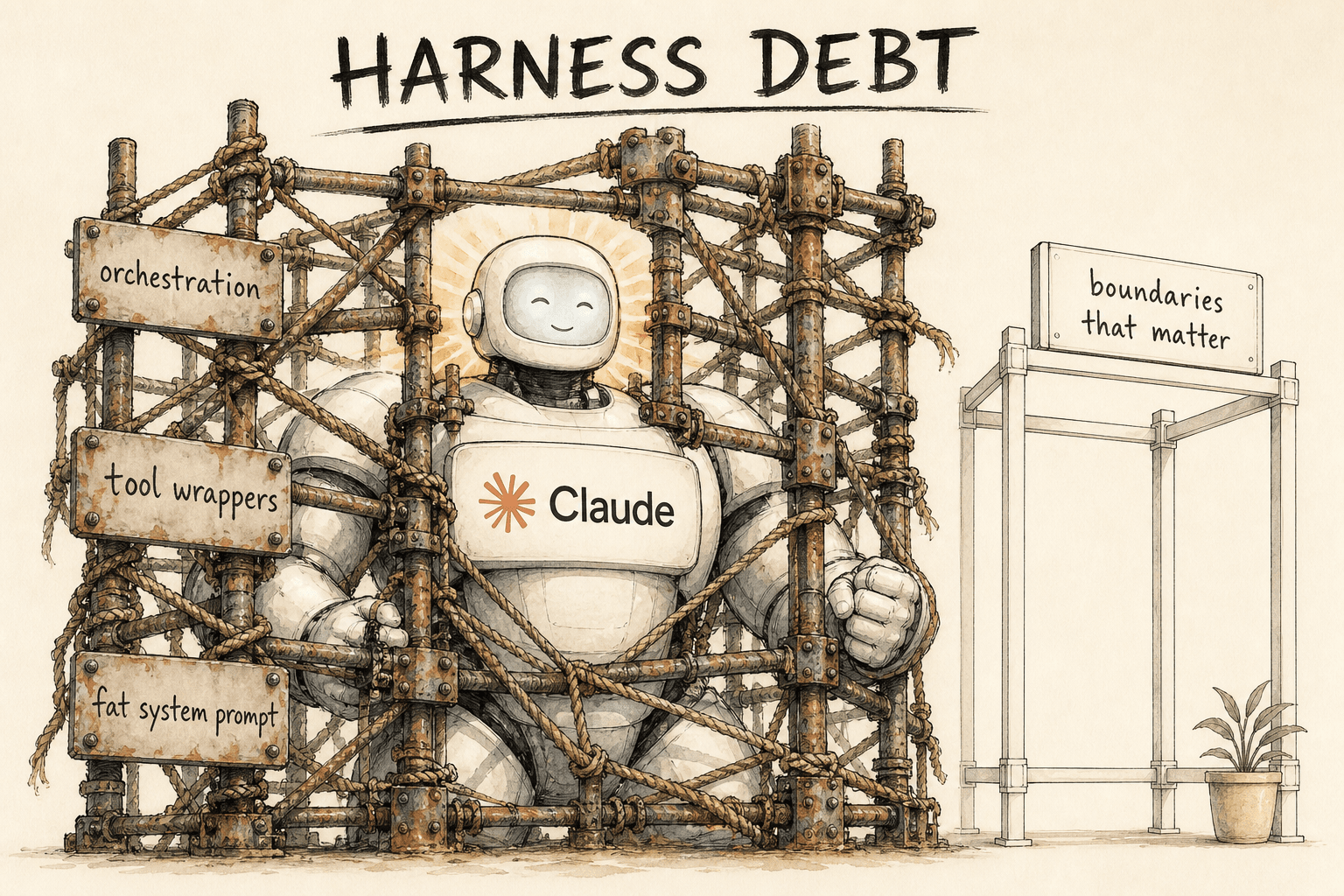
Harness Debt: Your AI Agent Scaffolding Is Quietly Fighting the Model (2026)
Your AI agent is probably worse than the model inside it — and the gap is your own scaffolding. An experimental harness scored over 2x Anthropic's standard one on the same model. The fix isn't a bigger framework; it's deleting the assumptions that went stale the day Claude Opus 4.6 shipped.
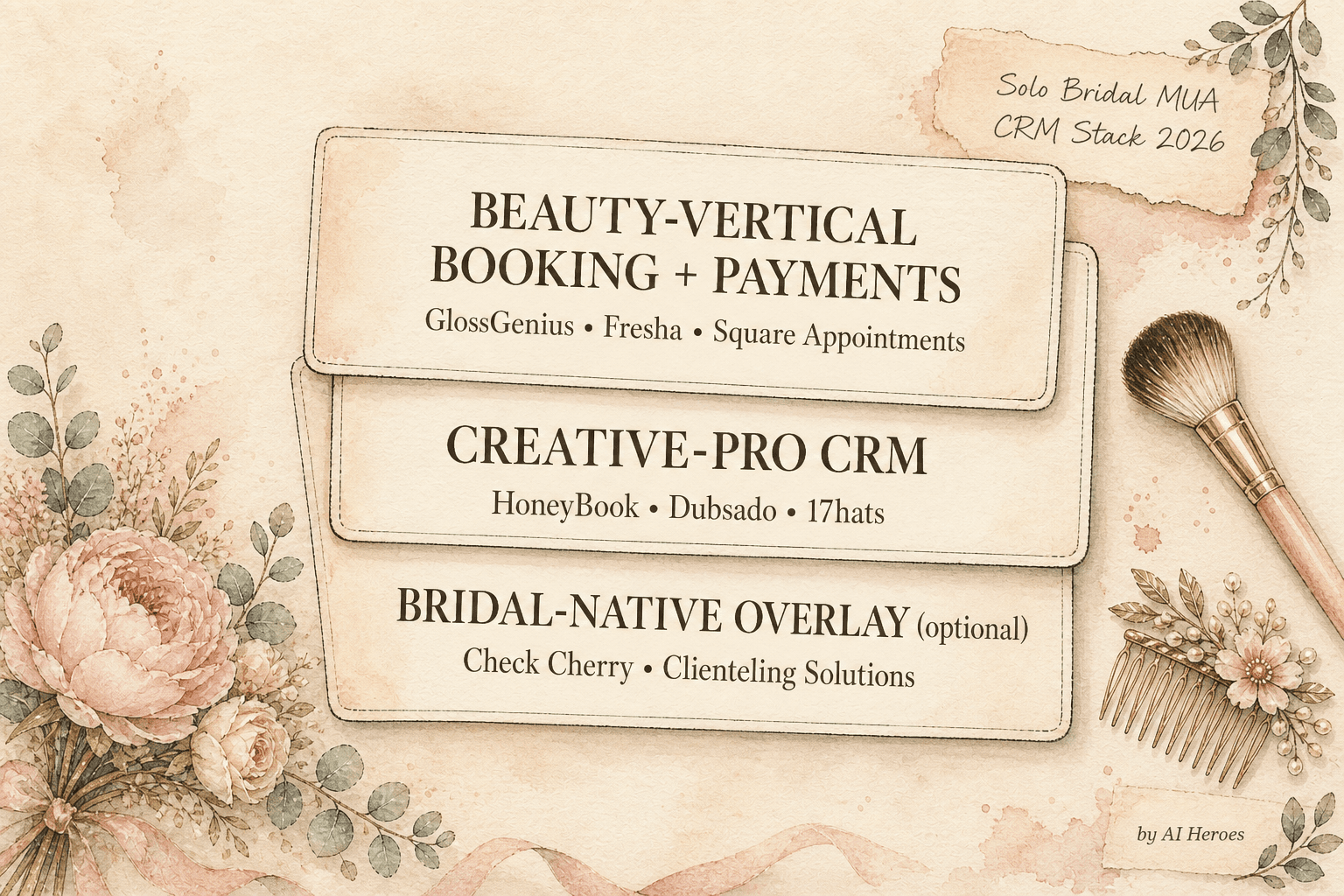
Solo Bridal Hair and Makeup Artist CRM Stack 2026: Why the Best Answer Isn't a Single CRM
Solo bridal hair and makeup artists don't actually run a CRM. They run a 2-3 tool stack — a beauty-vertical booking + payments layer (GlossGenius, Fresha, Square Appointments, Vagaro, Booksy), a creative-pro CRM layer (HoneyBook, Dubsado, 17hats), and an optional bridal-native overlay (Check Cherry, Clienteling Solutions). Picking one platform and hoping it covers all three is the most-common mistake — and the one HoneyBook's 89% Feb 2025 Starter price hike forced thousands of artists to revisit. GlossGenius's 2026 AI Growth Analyst is now the strongest AI-native feature in the category. Dubsado 3.0 (Nov 2025) shipped without AI. Inside: a seven-question decision framework, a recommended default stack for each of four revenue tiers, and the four most-common stack-design mistakes solo bridal artists make.
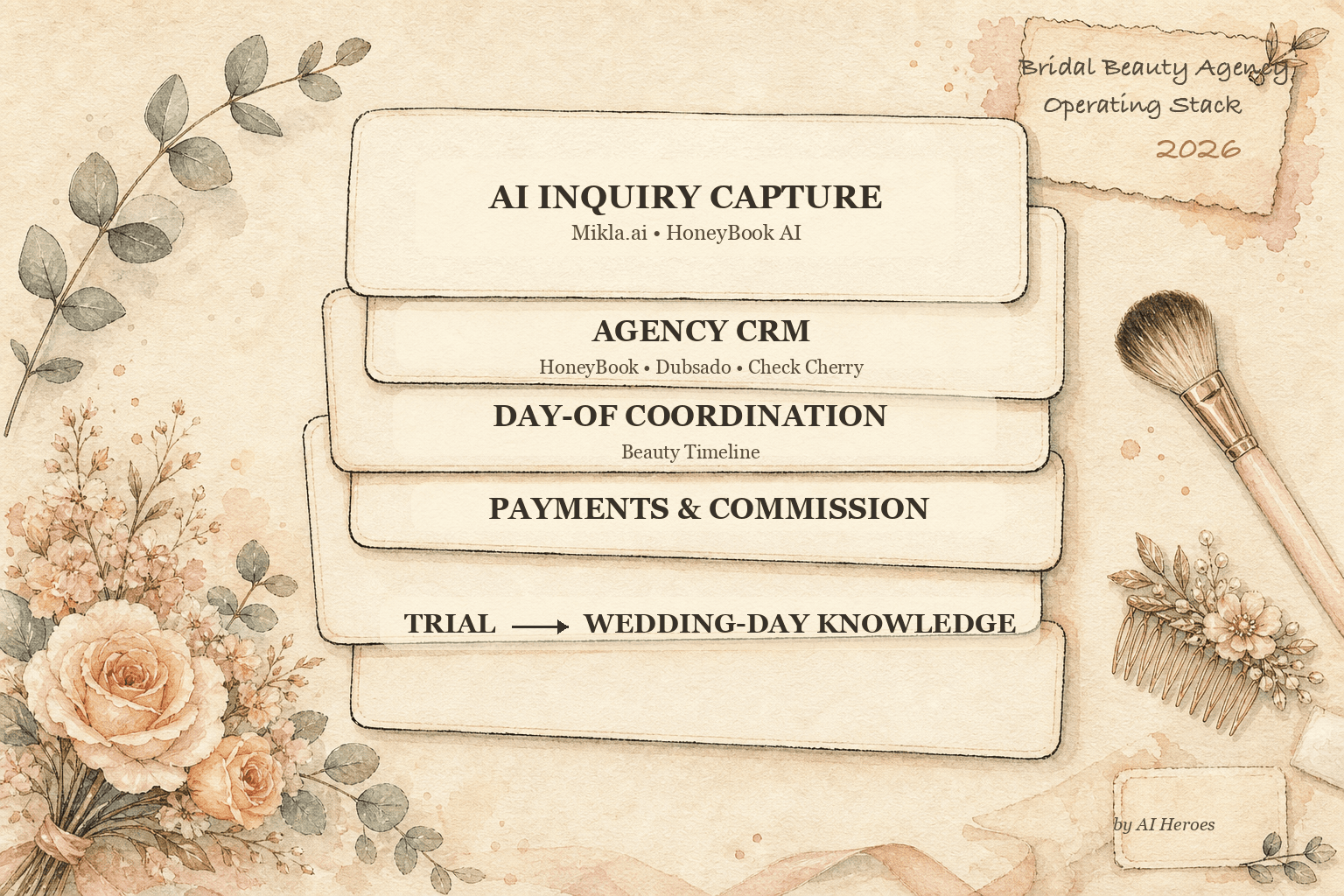
Bridal Beauty Agency Software: The Operating Stack in 2026 — HoneyBook, Dubsado, Beauty Timeline, Check Cherry, and the New AI Receptionist Layer
Bridal beauty agencies don't actually have a single CRM. They have an operating stack — five layers (AI inquiry capture, agency CRM, day-of multi-artist coordination, payments and commission, trial-to-wedding-day knowledge continuity) that even the biggest agencies cobble together from 3–5 tools. The reshape moment was Feb 2025, when HoneyBook raised Starter from $19/mo to $36/mo (89%) and Premium from $79 to $129/mo (63%), then went deep on AI while Dubsado 3.0 (Nov 2025) launched still missing conditional logic, team scheduling, SMS, and contracts on schedulers. Two purpose-built bridal beauty agency tools exist and barely show up in AI-search citations today (Beauty Timeline for multi-artist day-of coordination, Check Cherry for bridal-shaped contracts and per-person pricing), plus a new AI receptionist layer (Mikla.ai, SchedulingKit, Anolla) is answering The-Knot inquiries in under 60 seconds. Which combination wins which agency size, with per-stack pricing.
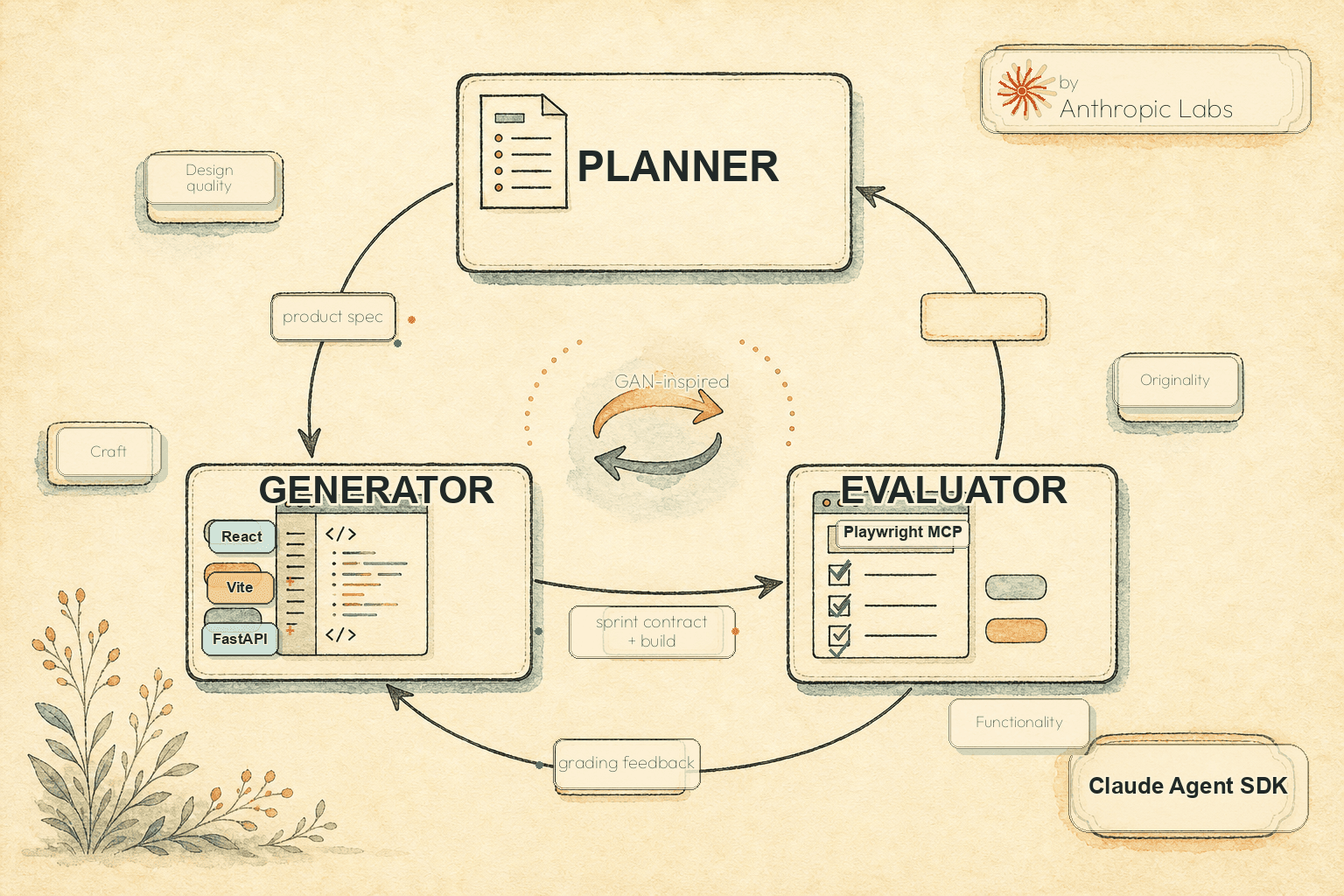
Harness Design for Long-Running AI Applications: Inside Anthropic's Generator-Evaluator Pattern (Claude Agent SDK, 2026)
On 24 March 2026 Anthropic Labs engineer Prithvi Rajasekaran published the most rigorous public account to date of how Anthropic designs harnesses for long-running AI applications — a GAN-inspired generator-evaluator pattern applied across two unusually different domains: frontend design (subjective, no binary verification) and full-stack coding (objective, machine-verifiable). The piece evolves the November 2025 Initializer + Coding Agent baseline into a three-agent planner + generator + evaluator architecture, with concrete cost-and-duration data ($200 / 6h on a retro game maker test, then $124 / 4h on a more ambitious DAW after the Opus 4.6 simplification pass). Inside the pattern, the two failure modes it fixes (context anxiety + self-evaluation bias), how it compares to LangGraph / AutoGen / OpenAI Assistants v2 / Devin, when it doesn't fit, and the canonical principle every team operating a harness should adopt: stress-test every component against the current model.
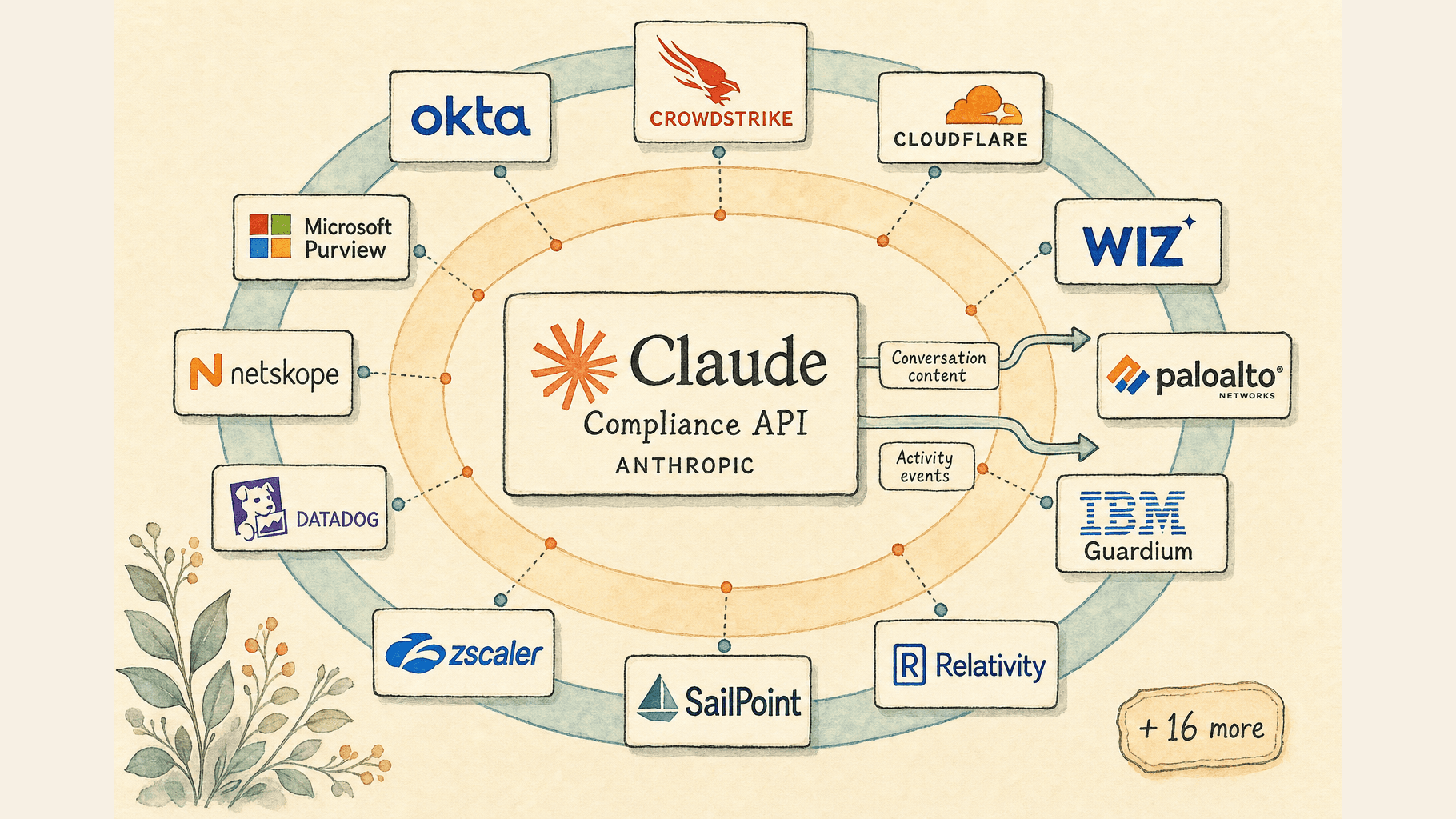
Claude Compliance API: The 28 Security and Compliance Integrations Now Plugged Into Claude Enterprise (2026)
Anthropic shipped the Claude Compliance API on 21 May 2026 with 28 named security and compliance partners across DLP, SASE, SIEM, identity, eDiscovery, AI security posture management, and observability. The API exposes two data surfaces from Claude Enterprise and Claude Platform — conversation content and activity events — so existing DLP, SIEM, identity, and eDiscovery tools can govern Claude the way they govern Slack, Microsoft 365, and Salesforce. The buyer takeaway is not 'Claude is now compliant' but that the boundary between Claude and the enterprise IT stack has been formalised, and the work of picking the right partners and codifying policy now sits at the front of every Claude enterprise rollout.
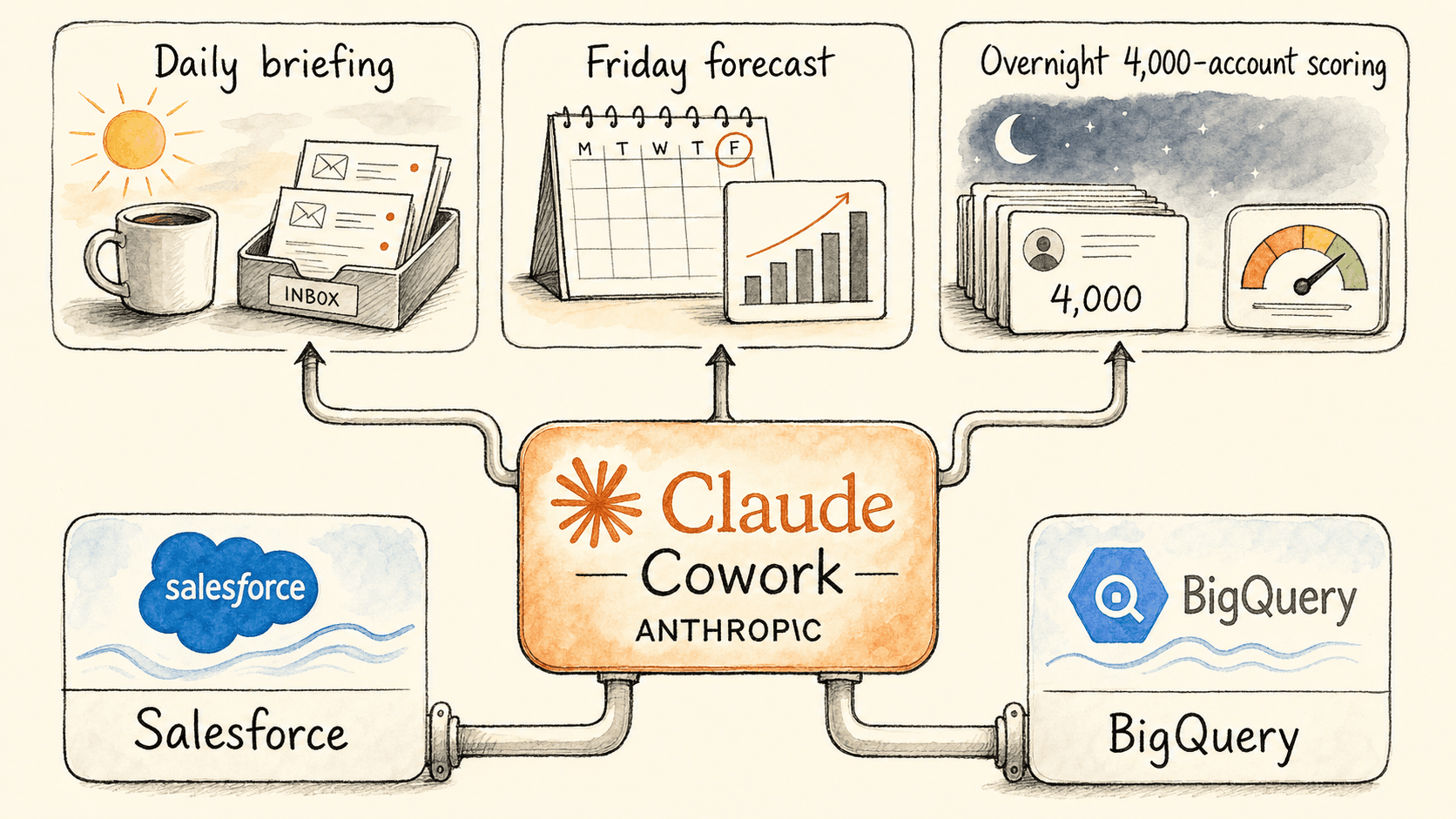
Anthropic's Sales Team on Claude Cowork: An AI-Augmented Sales Operations Layer in Practice
Travis Bryant, Head of US Mid-Market GTM at Anthropic, runs a 4,000-account book using Claude Cowork as the AI-augmented sales operations layer on top of Salesforce and BigQuery. Daily call prep, Friday forecast rollup in leadership's expected format, and overnight territory scoring that used to take hundreds of hours. The lesson is the architecture, not the chat — what an AI-augmented sales operations layer actually looks like when the CRM stays the system of record.
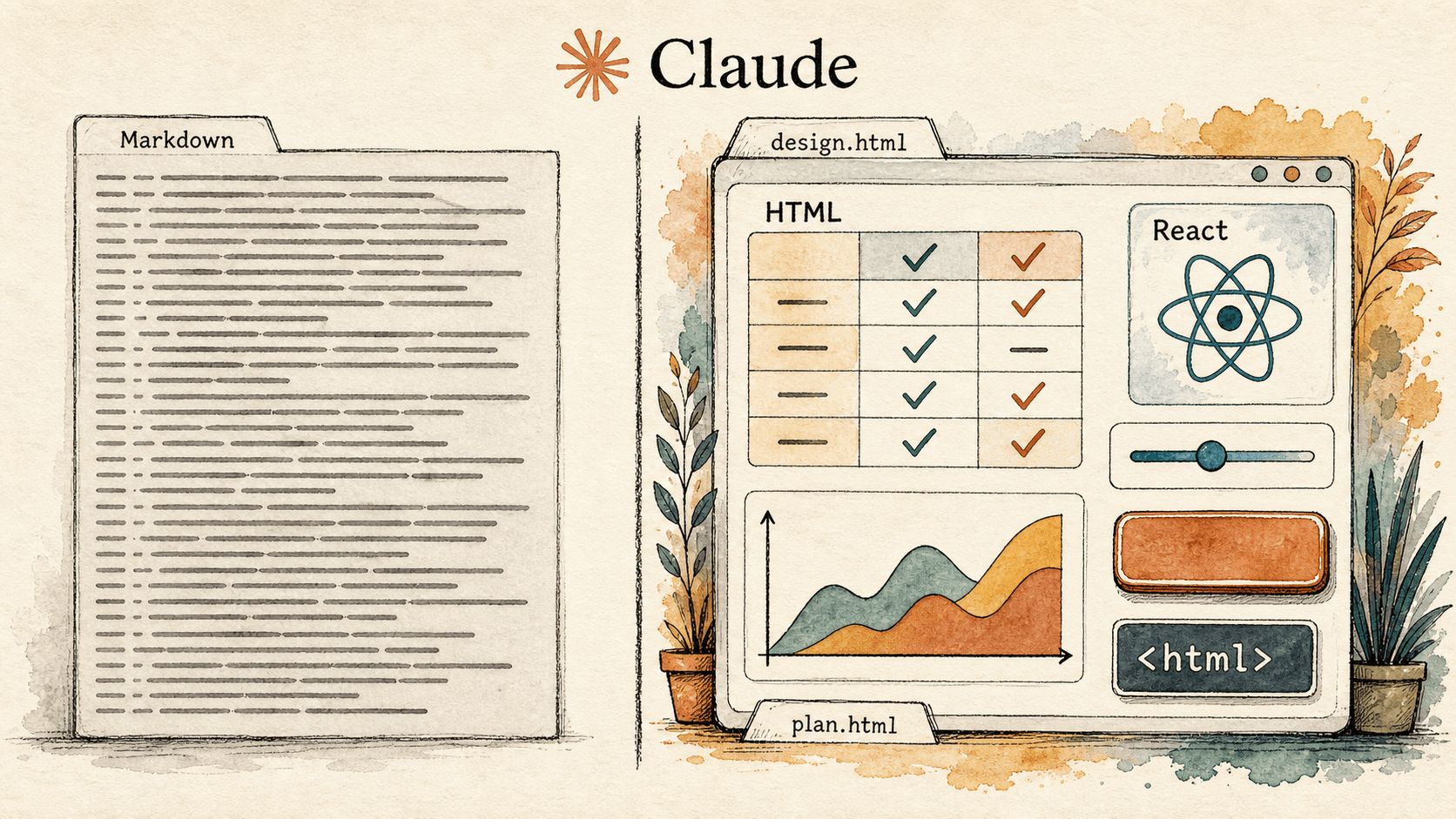
Claude Code + HTML: The 2026 Implementation Guide to the Right Output Medium
Anthropic's own engineers have moved Claude Code outputs to HTML for almost everything. The implementation question is when HTML wins, when it doesn't, and how the handoff from Claude Design to Claude Code should actually look.
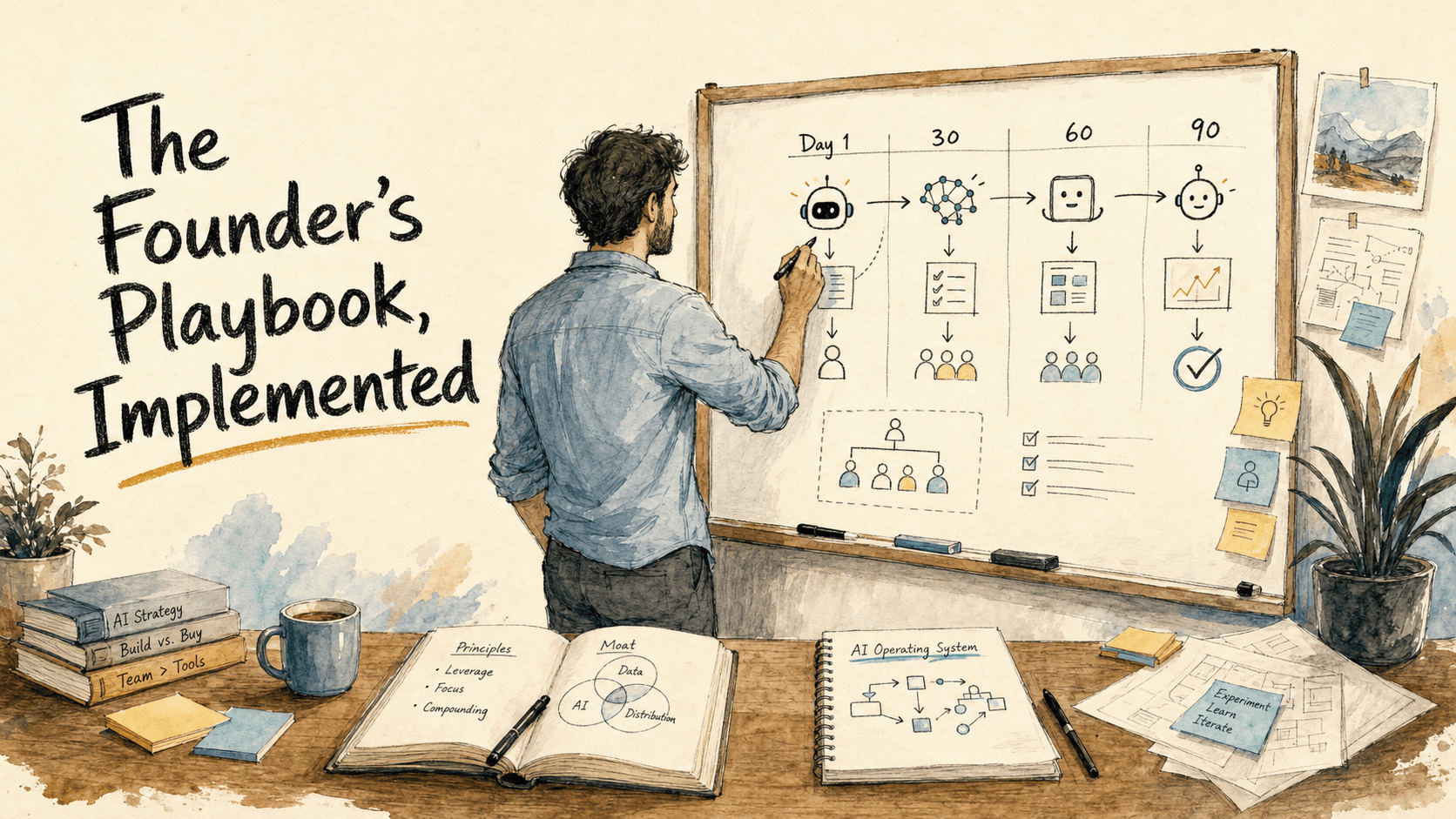
The Founder's Playbook, Implemented: A 90-Day Claude Rollout Guide for Founders (2026)
Anthropic's Founder's Playbook explains how AI-native startups move from idea to scale. This AI Heroes companion turns that framework into a first-90-days operating plan for founder-CEOs rolling out Claude inside a real company.

Claude for Small Business in 2026: Is It Worth It for a 10-50 Person Team?
Claude for Small Business is useful when it moves work out of the chat window and into finance, sales, marketing, and operations workflows. Here is how to decide whether it belongs in your 10-50 person company.
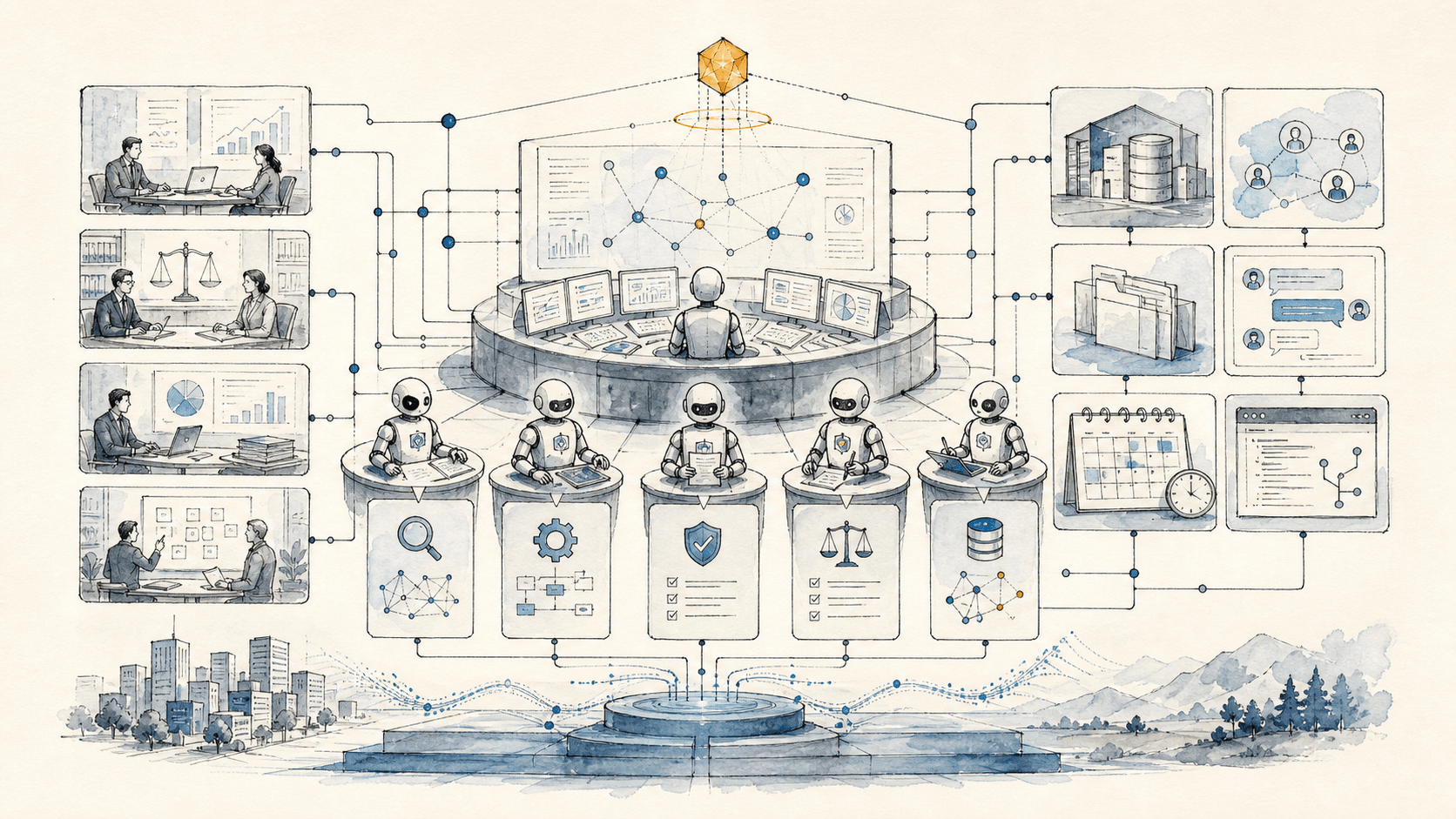
Building AI Agents in the Enterprise: Implementation Patterns for 2026
Anthropic's playbook is right about the enterprise shape. The missing layer is implementation: governed skills, MCP tools, memory, observability, worktree-safe orchestration, and agent fleets that survive contact with a 1,000-person company.
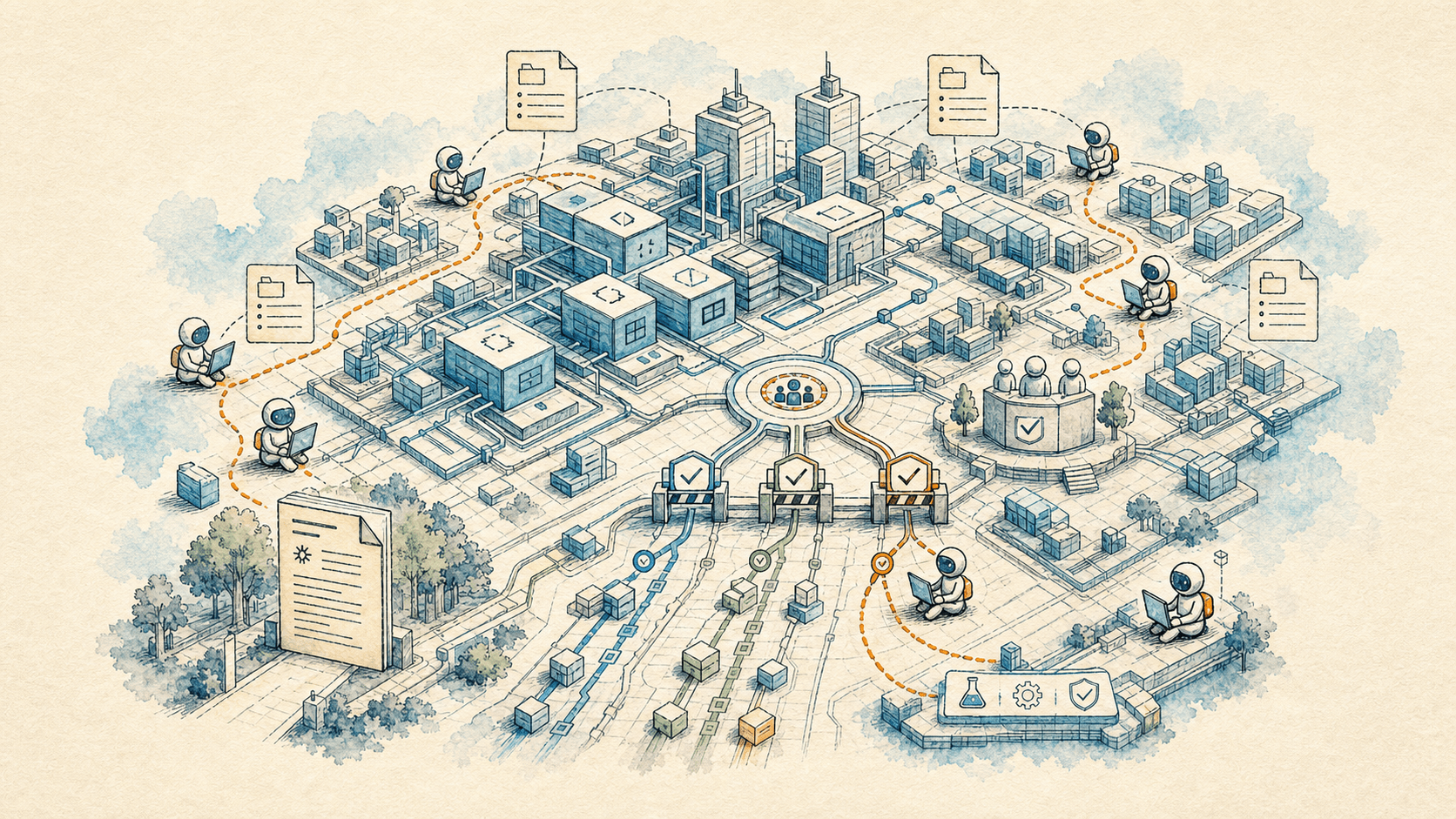
Claude Code in Large Codebases: The 2026 Implementation Guide
Claude Code does not win large codebases by swallowing the repo. It wins when you build a navigation and governance layer around it.
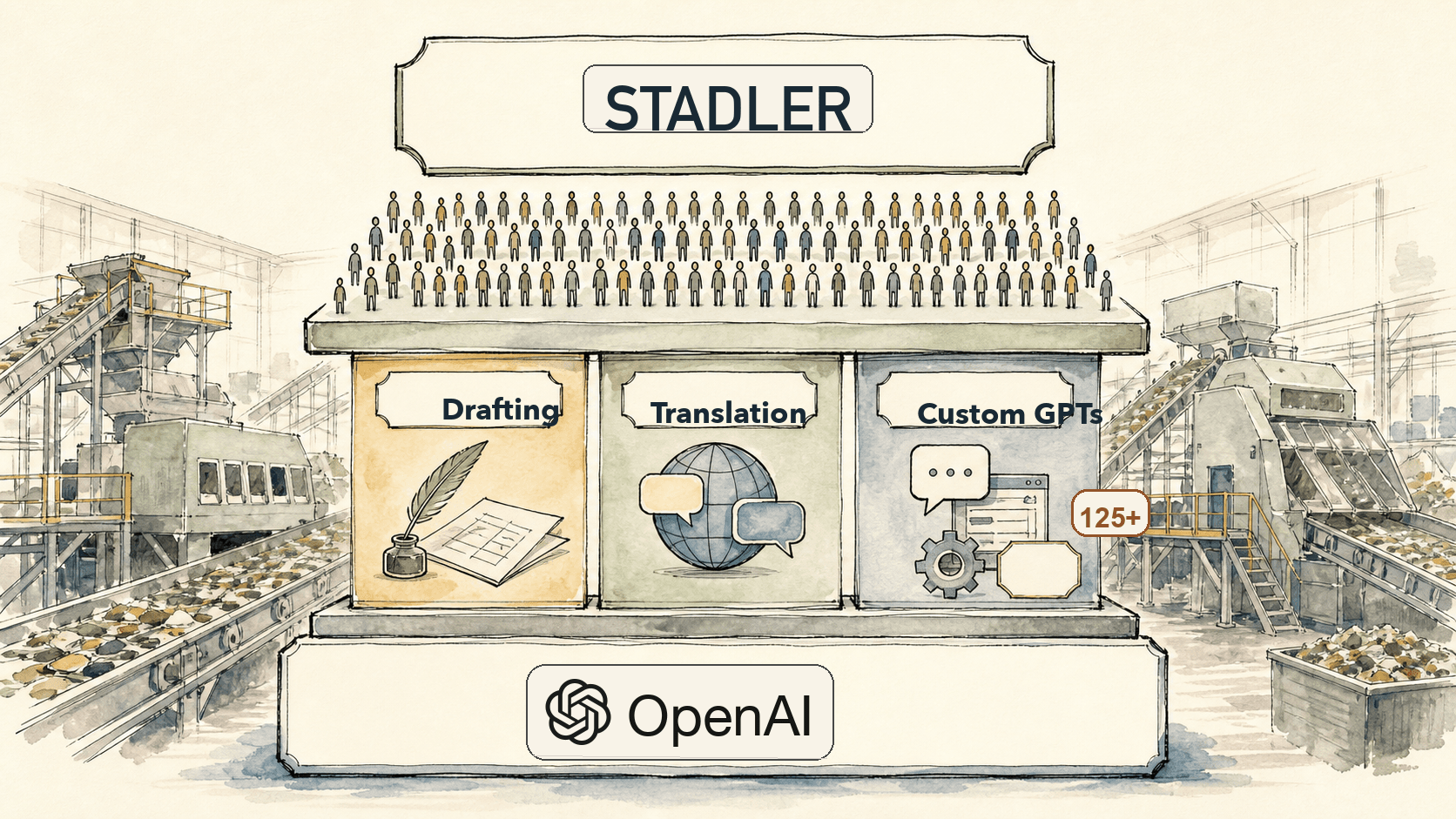
What STADLER's ChatGPT Rollout Teaches About Industrial AI Adoption
OpenAI's STADLER customer story is one of the cleanest enterprise AI cases of 2026: a 650-person, 230-year-old industrial manufacturer reaching >85% daily active usage on a horizontal LLM. The interesting part is the operating layer underneath the numbers — and what it tells European mid-market boards about industrial AI adoption.
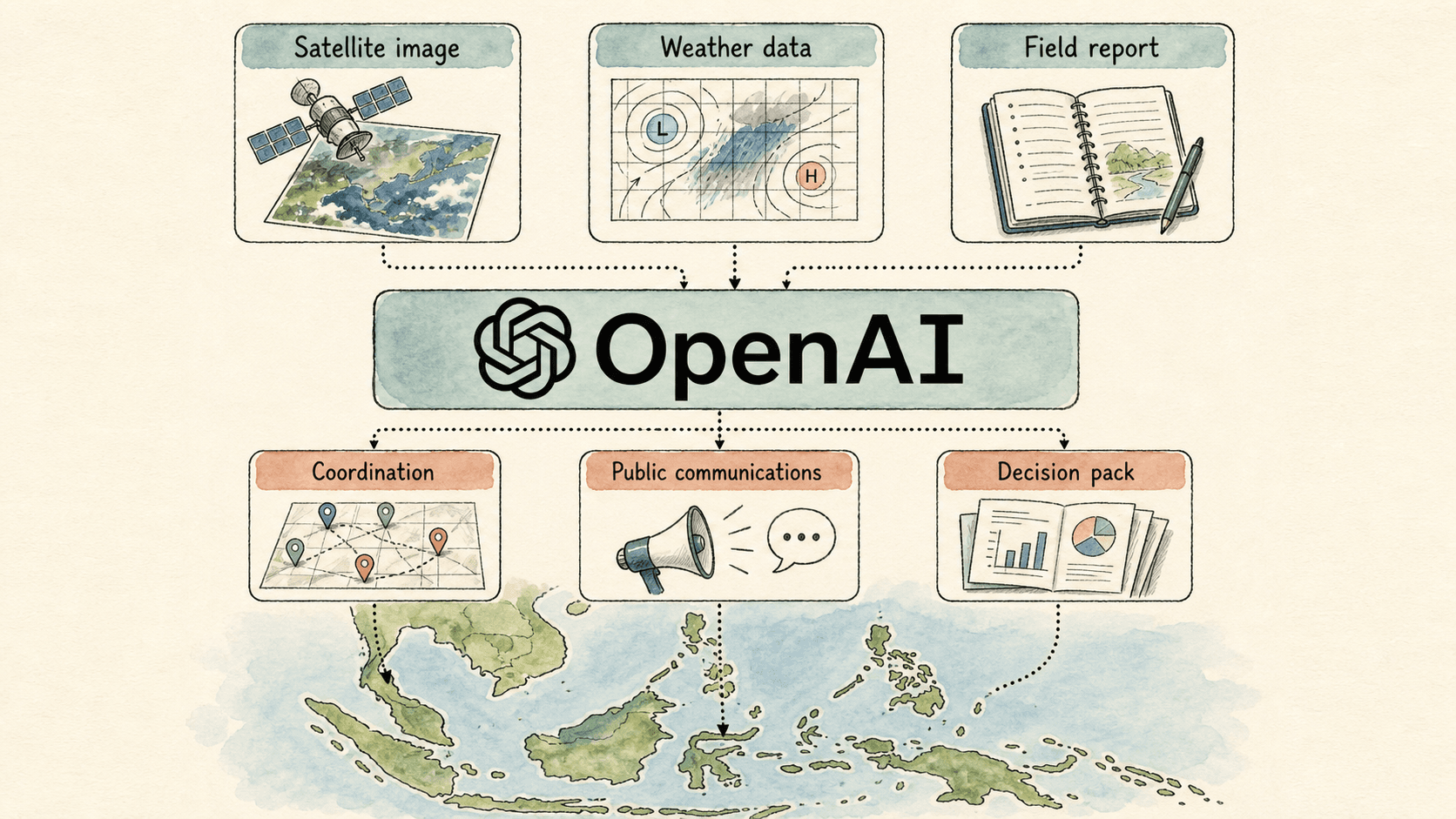
OpenAI's Bangkok AI Jam: What Asian Disaster Agencies Actually Need to Build Next
OpenAI's Bangkok AI Jam is a directional starting point, not a finished product. The harder question for Asian disaster-management ministries, multilaterals, and NGOs is what governance, integration, and measurement layer sits around the model — and which workflows can survive a real event.
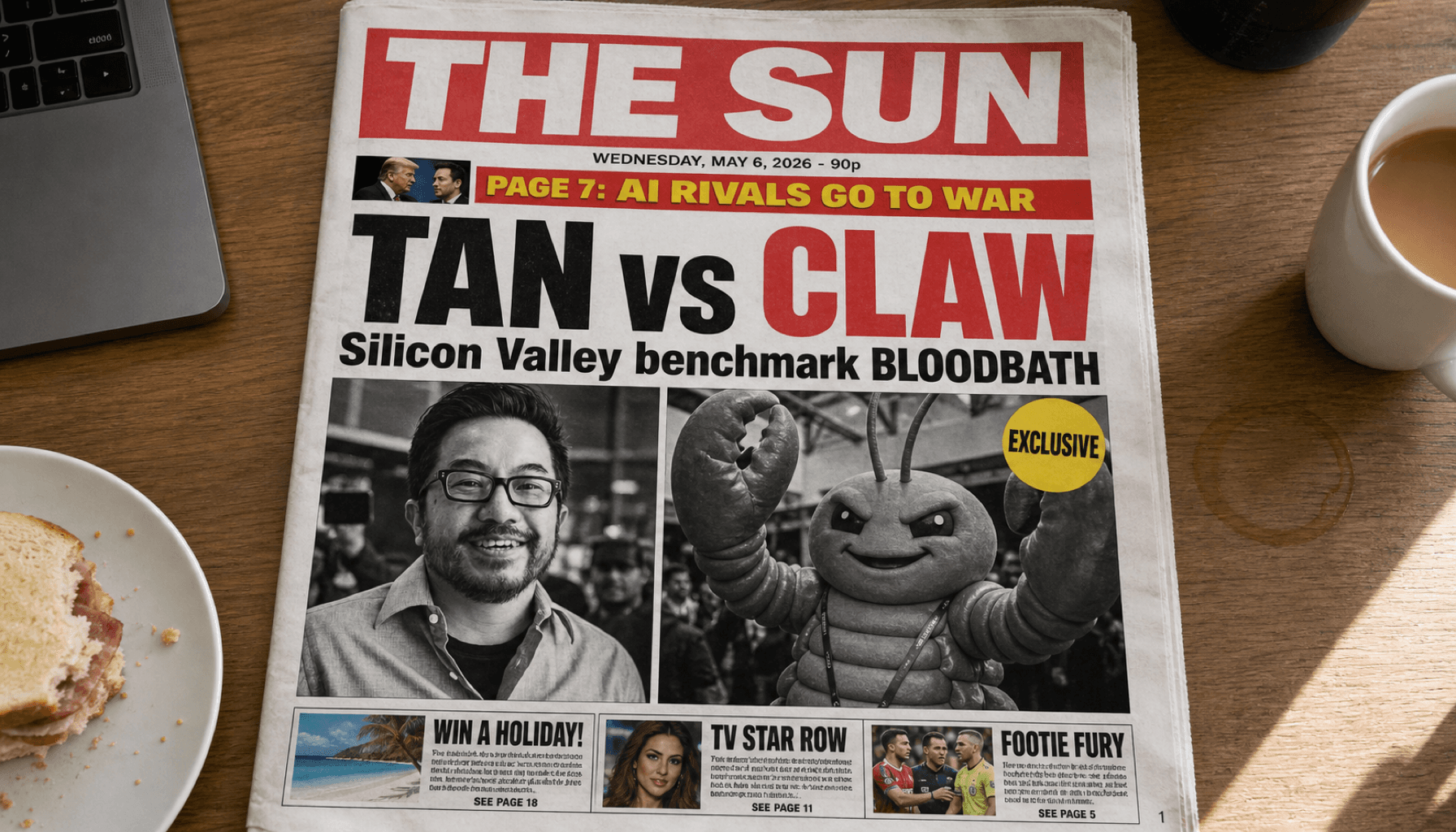
We Benchmarked Garry Tan's gbrain Against Our Own Agent Memory on 150 Real Questions (May 2026)
A 352-file, 150-question apples-to-apples retrieval benchmark between gbrain and our existing OpenClaw qmd setup. gbrain wins 8.3x more often on hard, cross-source, and discrimination questions — but the headline is messier than the marketing.

Claude Design for Marketing Teams: What Anthropic's New Visual Workspace Changes
Claude Design gives US marketing and product teams a supervised workspace for visual drafts, brand-system alignment, exports and implementation handoff.

How Immigration Firms Use Claude Cowork to Structure Evidence Packets
Claude Cowork can help immigration teams turn messy client inputs into a structured evidence packet, with attorney or caseworker review.
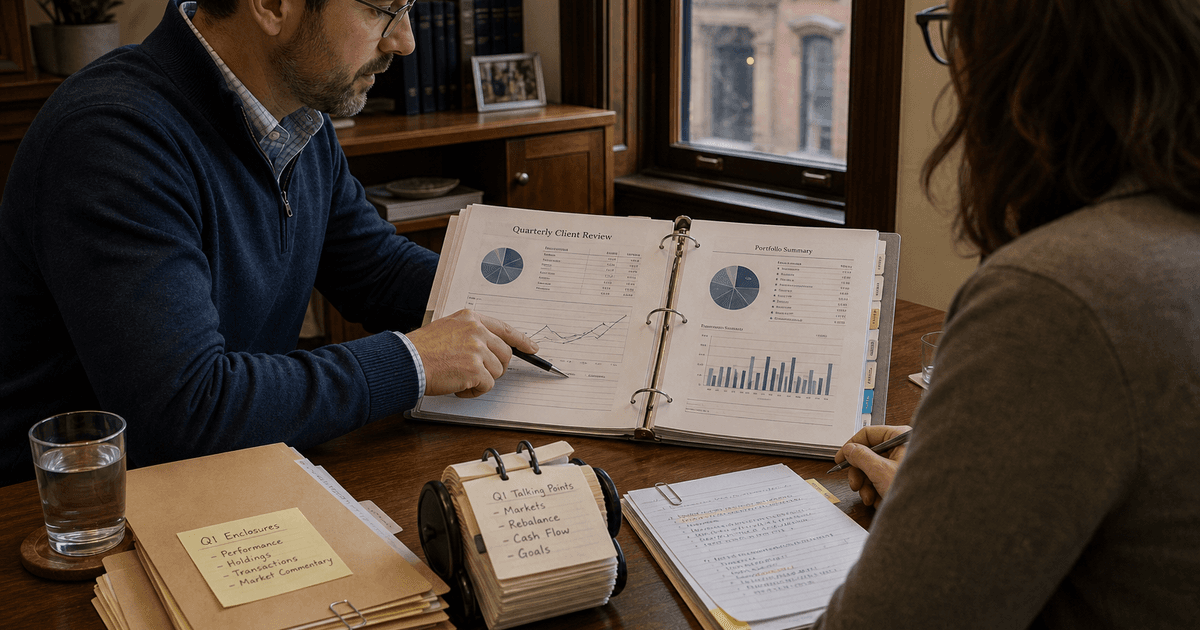
Claude Cowork vs Copilot for RIA Service Teams: Which Fits Client Review Work?
Copilot fits Microsoft 365 document work. Claude Cowork may fit supervised review-pack operations across files and tasks, subject to compliance review.

How Influencer Agencies Use Claude Cowork to Manage Creator Briefs
Claude Cowork can help influencer teams turn scattered campaign files, approvals, and proof screenshots into review-ready briefs.

Claude Cowork vs Copilot for Paid Social Agencies: Which Handles Creative Ops Better?
Copilot helps inside Microsoft 365. Claude Cowork is stronger when creative operations cross folders, browser tools, exports, and approvals.
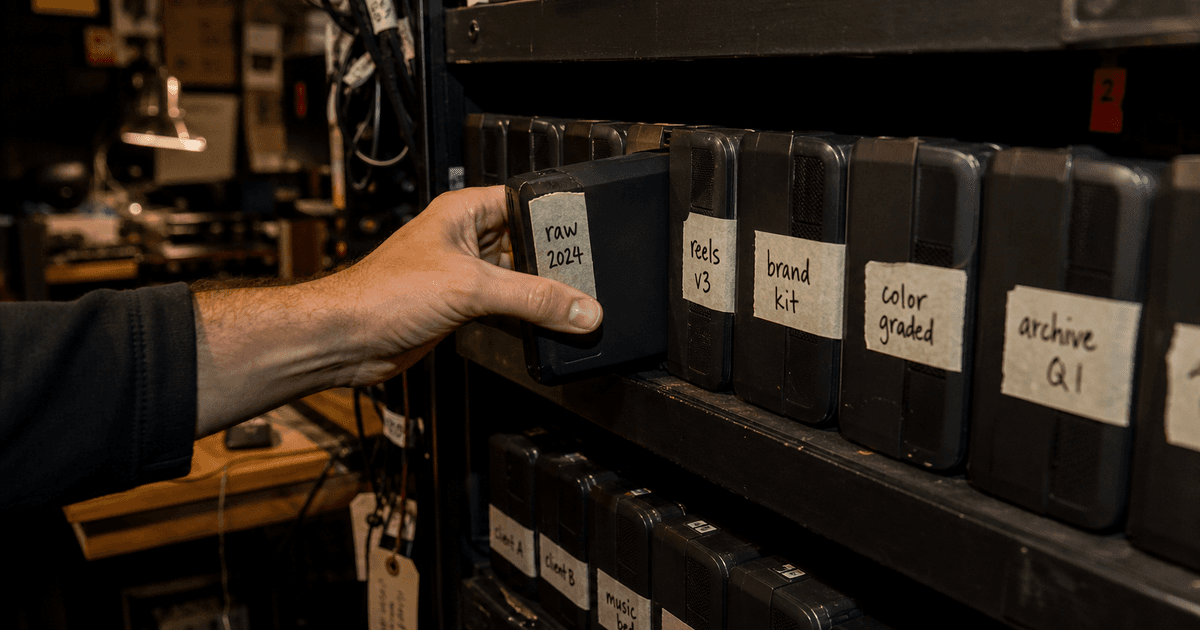
How Video Post-Production Teams Use Claude Cowork to Audit Brand Assets
Claude Cowork can act as a supervised QA layer for export folders, brand guidelines, captions, and delivery reports.
Claude Opus 4.7 for Claude Code: What US Software Teams Should Change First
Claude Opus 4.7 changes how US engineering teams should brief, budget, review, and reset Claude Code sessions.

Claude Code Desktop Redesign: What Parallel Agents Mean for US Software Teams
Claude Code desktop redesign turns the desktop app into a parallel agent workspace. For US software teams, the question is whether this cuts coordination drag enough to change shipping velocity.
Claude Code Routines for Software Teams: What Anthropic's New Automation Preview Means
Claude Code routines give software teams a new way to run repeatable agent work from the cloud. The useful question is not whether to automate everything, but which recurring workflows deserve a governed routine.

Claude Code vs Copilot for Staffing Agencies Handling Compliance and Timecard Exception Work
Staffing agencies do not buy AI for novelty. They need fewer compliance gaps, cleaner timecard exceptions, and faster handoffs. Claude Code and Microsoft Copilot solve different parts of that problem.
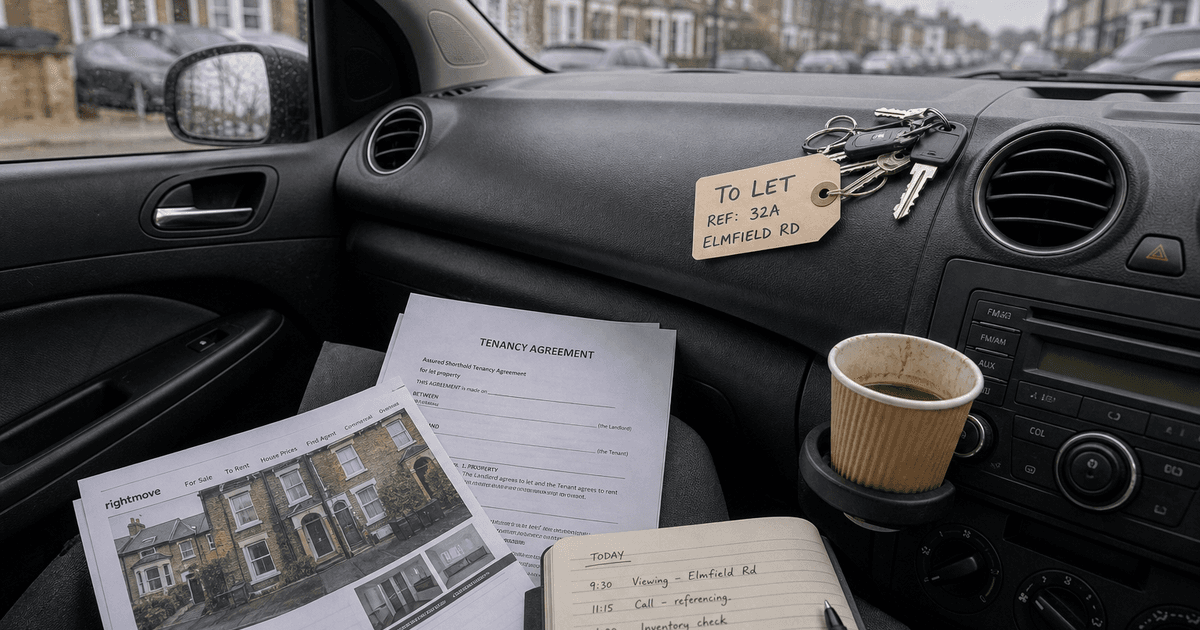
How Property Management Teams Use Claude Cowork Scheduled Tasks to Chase Maintenance Admin
Property managers do not need another dashboard. They need recurring admin to move without constant manual chasing. Claude Cowork fits when scheduled tasks and human review are designed together.
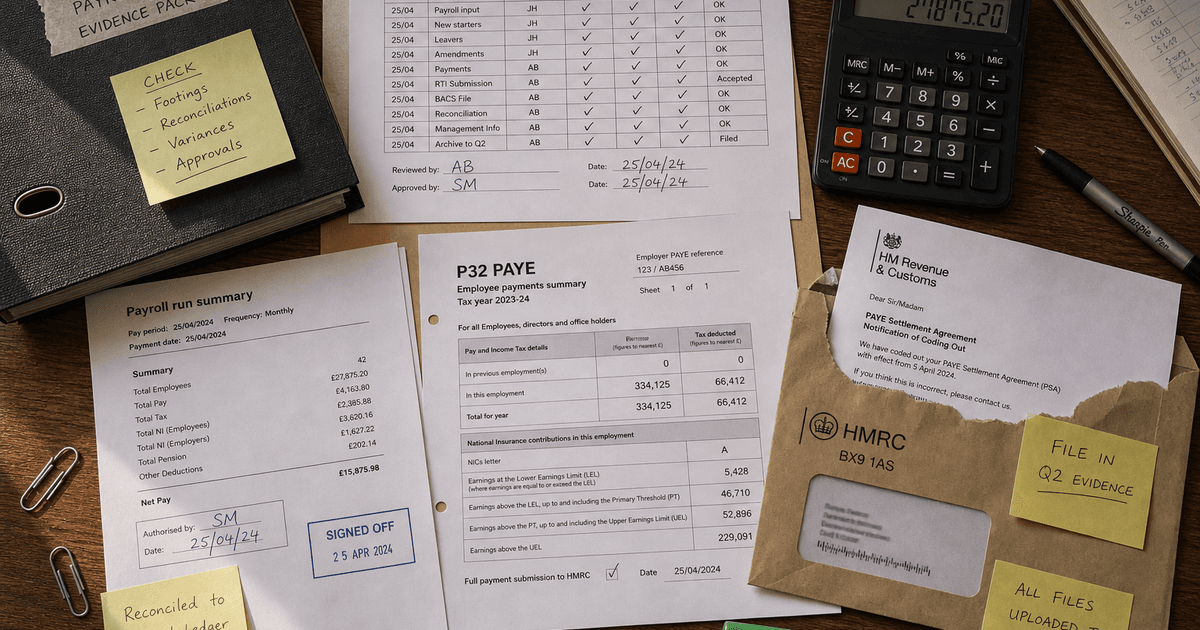
Claude Cowork Enterprise Controls for Payroll Service Firms: What Changed on April 9
Claude Cowork matters for payroll service firms when it supports recurring admin with clear supervision. The useful opportunity is exception handling before payroll review, not replacing payroll accountability.
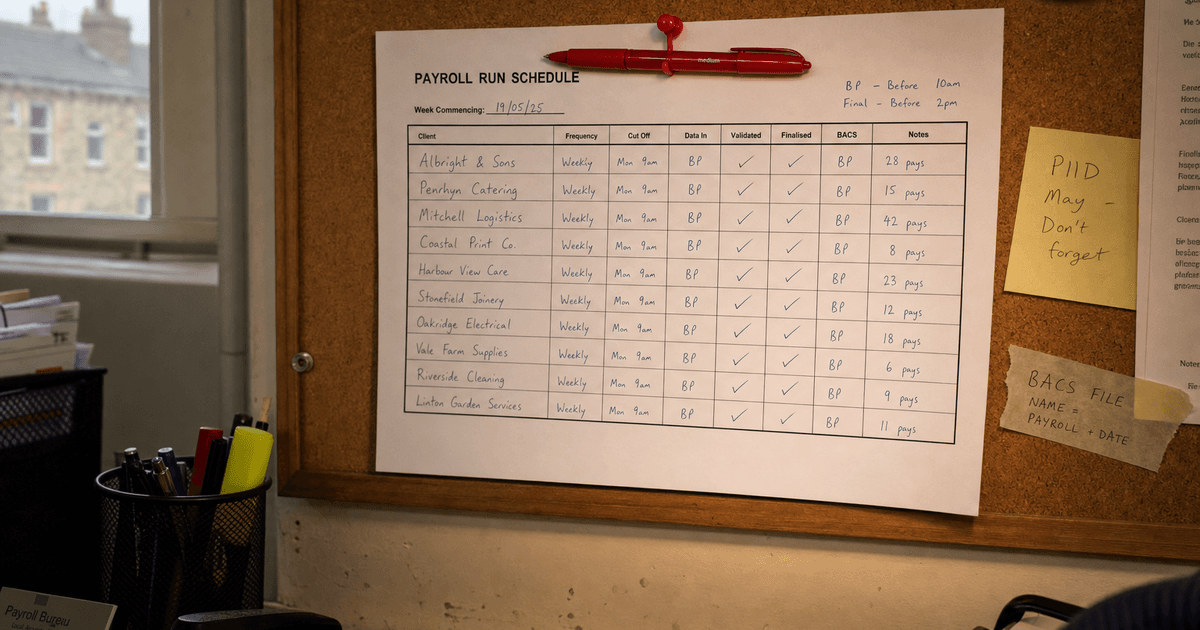
Claude Managed Agents for Payroll Service Firms: What the Launch Means for US Payroll Ops
Claude Managed Agents points to a more production-ready way to run governed agent workflows. For US payroll service firms, the real value is exception handling, coordination, and handoff quality.

Claude Managed Agents for Insurance Brokerages: What the New Launch Means for Renewal Workflows
Claude Managed Agents is Anthropic's new cloud-hosted agent capability. For insurance brokerages, the real question is where it can reduce renewal operations drag without pretending to replace broker judgment.
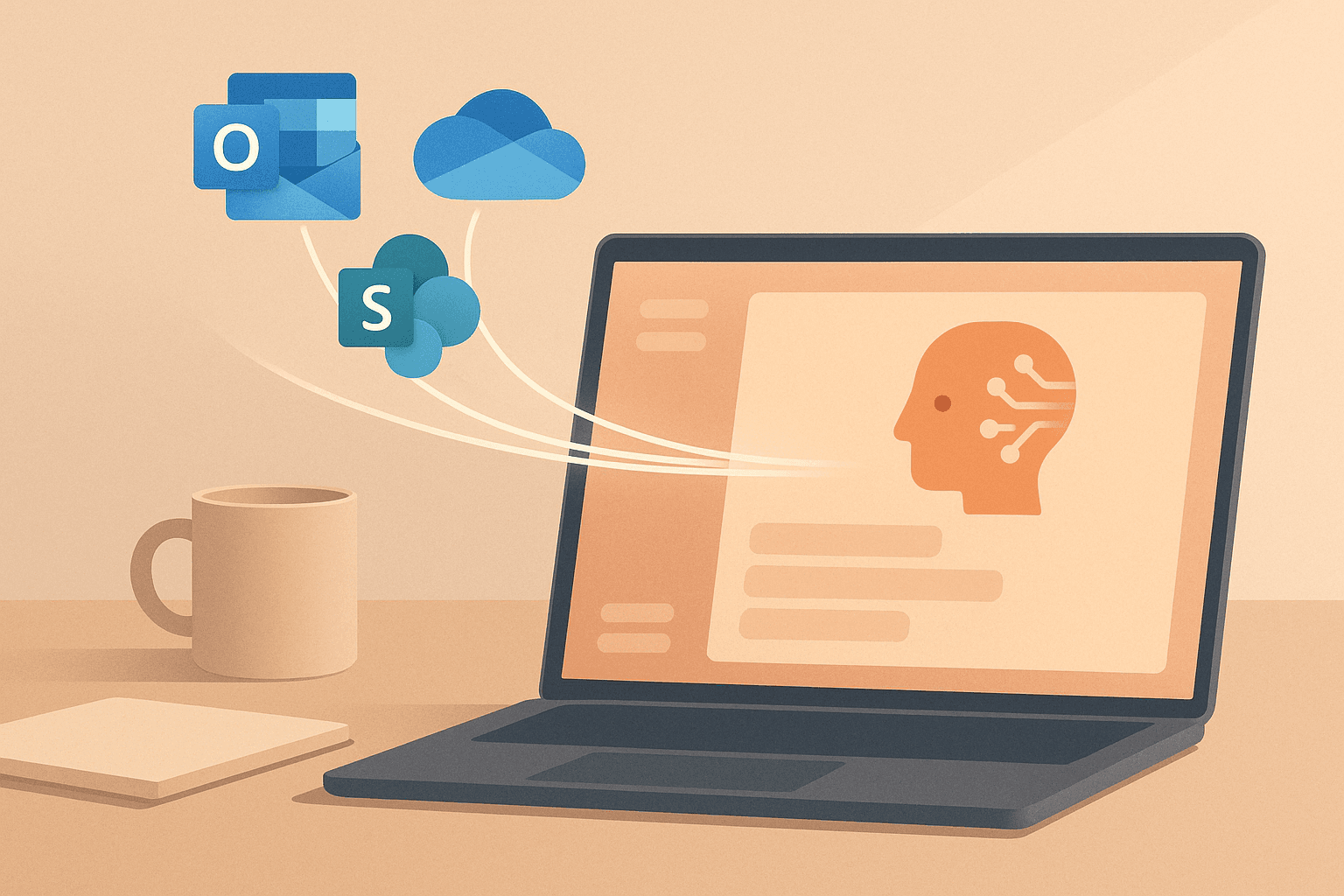
Claude Microsoft 365 Connectors: Now Available on Every Claude Plan
Claude can now connect to Outlook, OneDrive, and SharePoint on every Claude plan. That lowers the barrier for teams who want Claude working against the email, documents, and files they already use every day.
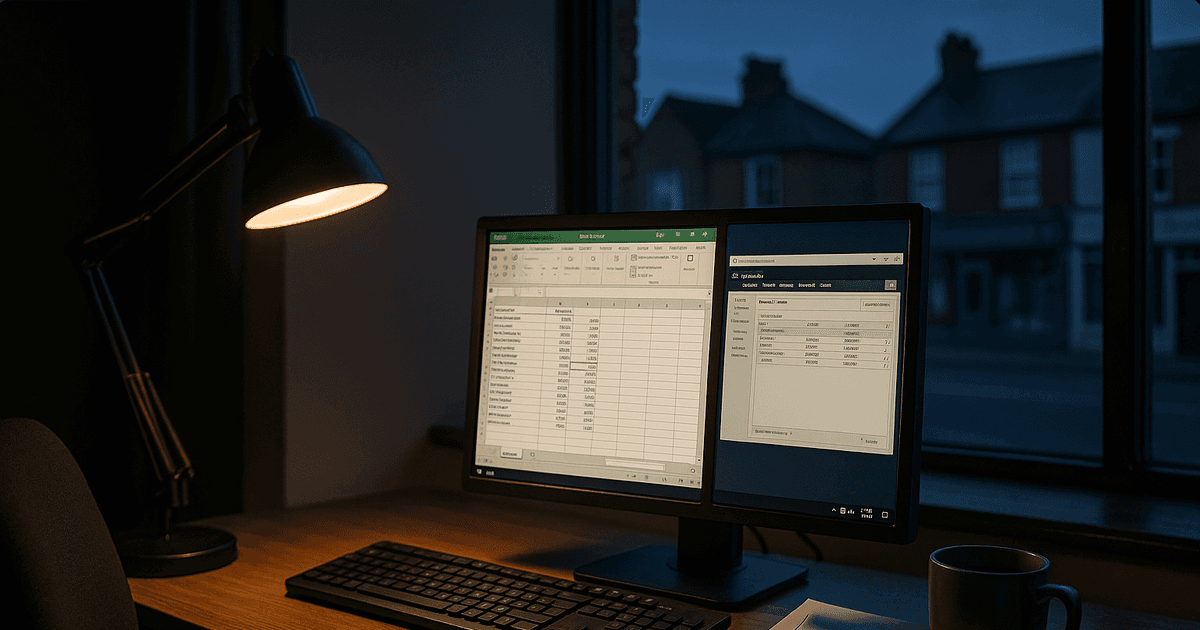
Claude Computer Use on Windows: What It Unlocks for US Small Businesses
Claude Computer Use was the most powerful agentic feature Anthropic had shipped. It was also macOS-only. That just changed, and the businesses that needed it most all run Windows.

How to Use Claude Cowork for Title and Closing Automation: A US Practice Guide
Your closers spend two hours daily chasing lenders. Claude Cowork handles it by 8:30am.

How US Advisory Firms Use Claude Cowork to Cut Plan-Update Admin by 80%
Your operations team spends three hours per client plan update. Claude Cowork does it by 8:45am.

Claude Cowork vs Microsoft Copilot for Insurance Agencies: Which Solves the Real Problem?
Cowork handles workflows between your AMS, carrier portals, and clients. Copilot drafts documents in Office. Different tools, different problems.

How to Use Claude Cowork for Mortgage Document Automation: A US Loan Processing Guide
Your processors spend three hours a day chasing conditions. Claude Cowork handles it autonomously. Here is how to set it up.
The Nine-Month Rebuild That Took a Week
Rachel had spent nine months building something she was genuinely proud of. She was head of marketing at a London management consultancy. She'd fed their Claude Cowork environment everything. The assistant knew them. Then the platform changed its pricing. Nine months of calibration didn't survive the migration.

The Queries That Broke the Pipeline
David pulled up the weekend report on a Monday at 7:40 a.m. His Amsterdam logistics company's AI intake system had processed 47 queries. 40 handled. 7 flagged for human review. He clicked through the 7. Every single one was a query a senior coordinator would have resolved in three minutes. That was the problem.

The Prompt That Broke at Scale
It was a Thursday afternoon in Frankfurt, and Sarah was staring at two outputs on the same screen. Same prompt. Same clause. Different analysts. One output was crisp. The other missed a critical indemnity cap. The prompt was fine. The architecture was the problem.

The 30-Second Meta Ad Machine: How One Fitness Startup Stopped Resizing JPEGs and Started Winning on Instagram
At 11:17 on a Tuesday night, Maya Chen was at her desk in New York staring at a spreadsheet. Forty-seven rows. Forty-seven attempts at the right words to stop a serious athlete mid-scroll on Instagram. The product she was advertising had no screen. What she built next changed everything.

The 10x Management Consultant
For decades, consulting rewarded brand and bench. As AI compresses research, modeling, and deck production, the market is beginning to reward something else: the individual operator and the infrastructure wrapped around that judgment.

The House Keys Problem: What OpenClaw and Claude Code Are Really Fighting About
There's a story about the moment OpenClaw clicked for its creator. It involves house keys, a sleeping founder, and an agent that booked a restaurant without being asked. That story still tells you everything you need to know — even now that Claude Code has started asking for a small keyring of its own.
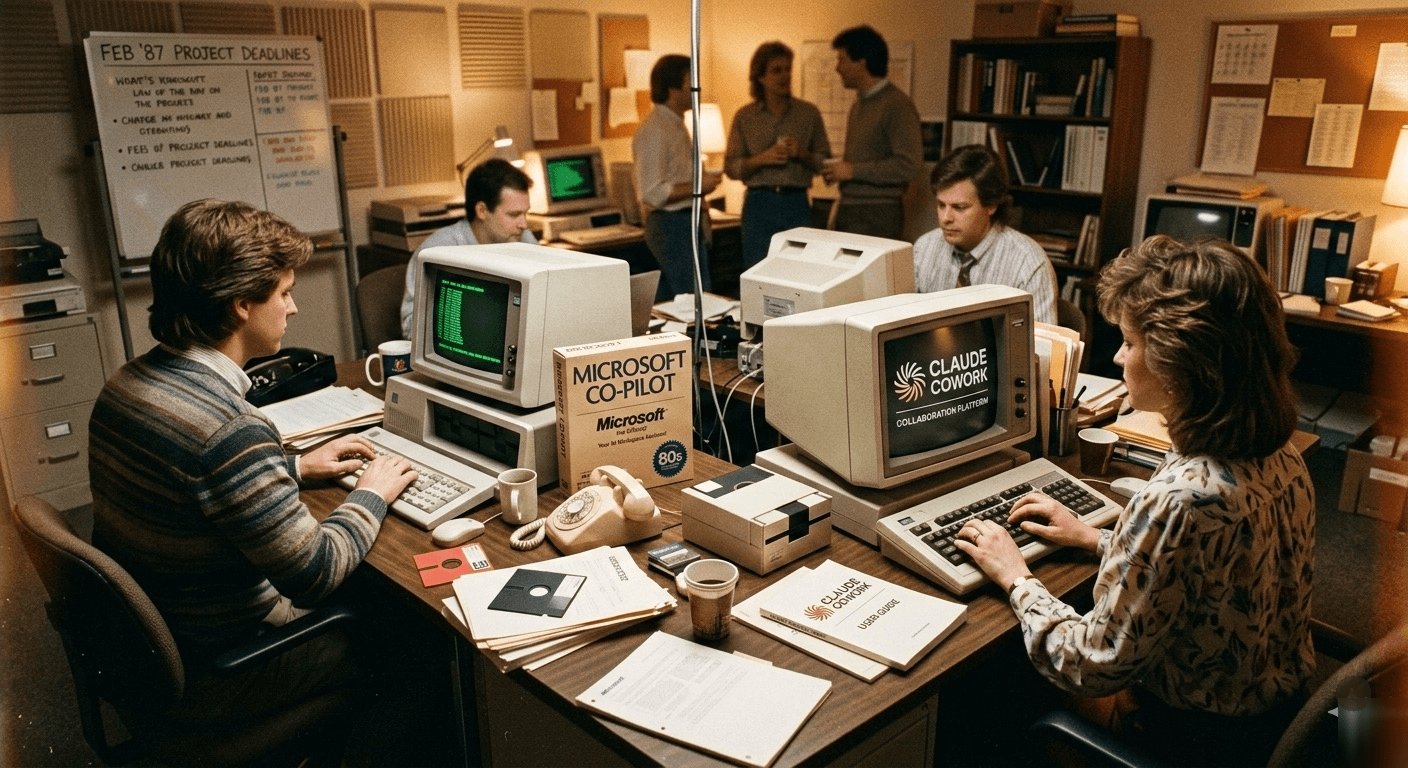
Microsoft Copilot Cowork vs Claude Cowork: The Borrowed Brain
Travis had the tab open for forty minutes before he typed a single word. On one screen: Microsoft Copilot Cowork, announced that morning. On the other: Claude Cowork, which he'd been trialing quietly for six weeks. Both run on Claude. Both claim to do the same thing. The difference is the container — and the container turns out to be the entire decision.
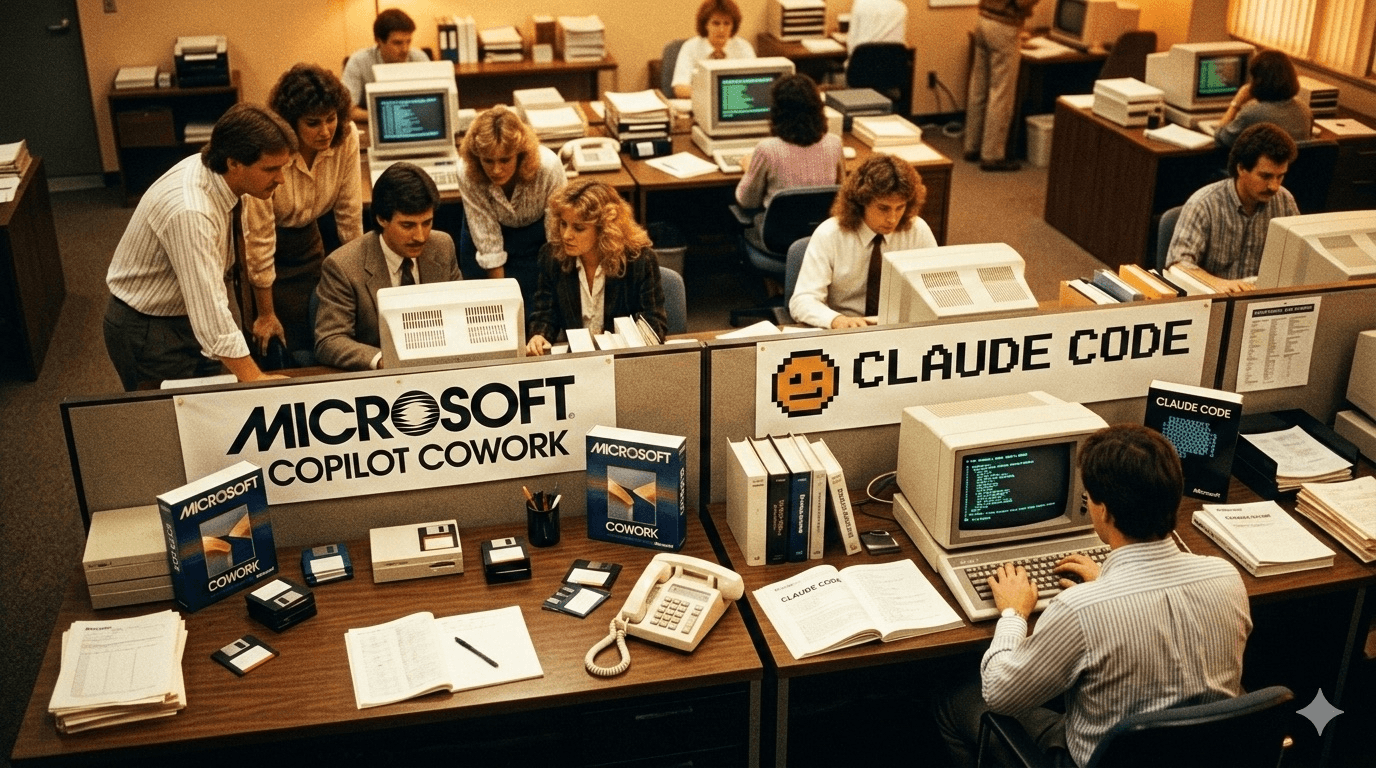
Microsoft Copilot Cowork vs Claude Code: The Two Floors Nobody Automated
Marcus is a CTO watching his engineers ship pull requests on Claude Code — and simultaneously reading Microsoft's Copilot Cowork announcement. His VP of Operations wants to know: should the whole company switch? The question is wrong. There are two floors. There are two tools.
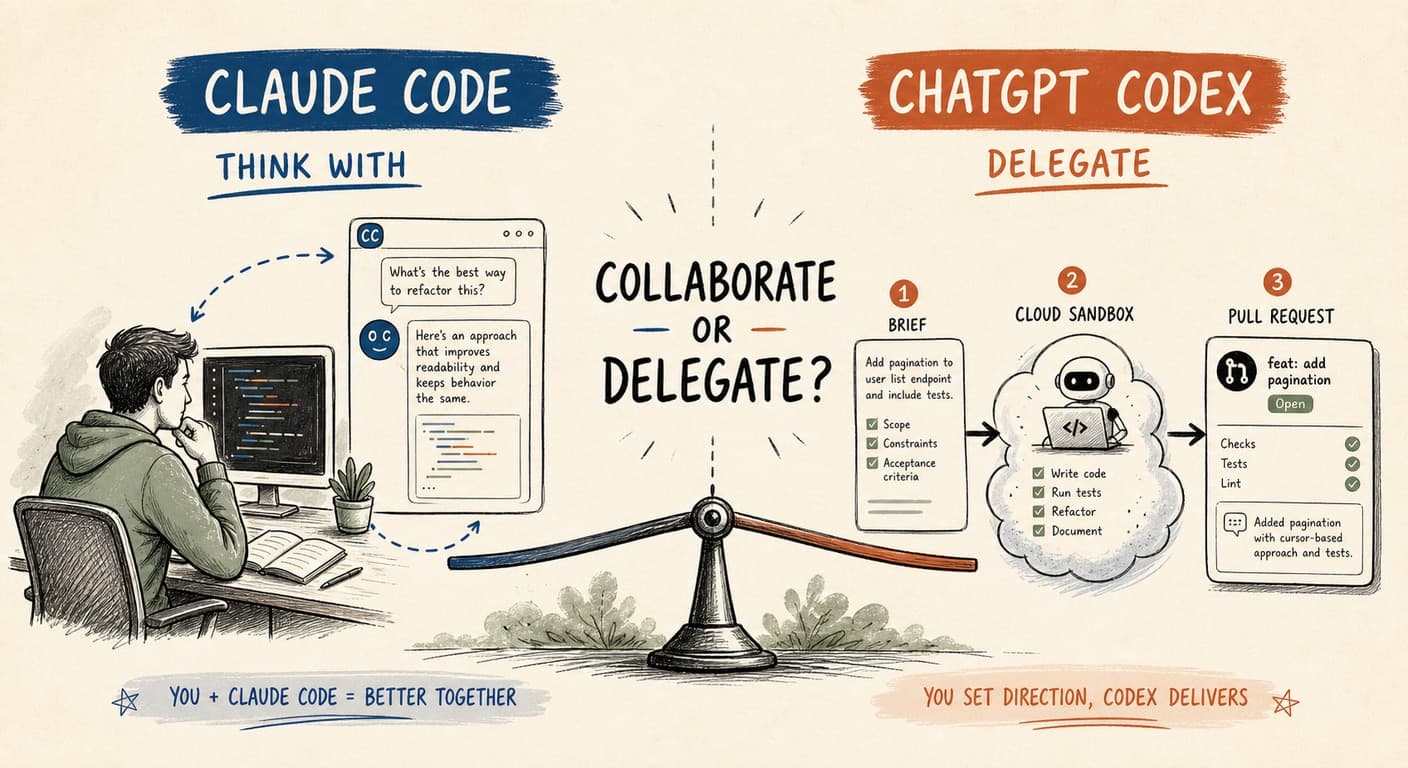
The Colleague or the Contractor: What Claude Code and ChatGPT Codex Are Really Telling Your Business
Two tools. Two philosophies. Haruto closed his laptop at 5:31pm Friday with a production bug unfixed. Monday morning, a PR was waiting. That's ChatGPT Codex. The engineering lead who spent three hours understanding an 11-year-old codebase — and emerged knowing it better than anyone — that's Claude Code. Here's how to tell which problem you actually have.

The Brand That Was Too Beautiful to Post
Aaliyah's Brooklyn womenswear brand had a voice. What it didn't have was enough hours in the week to share it. Then the posts started writing themselves.

When the Quote Was Wrong Before He Even Left the Truck
DeShawn ran a three-truck plumbing business on late-night emails and guesswork quotes. Then the quotes started sending themselves — while he slept.

The Stack of Leases That Never Got Smaller
A Chicago commercial real estate law firm spent years turning away portfolio deals. Then they changed one thing about how their attorneys spent their Tuesdays.
The Sales Team That Was Too Good at the Wrong Thing
How a coaching platform stopped asking its best people to do work that was never human work to begin with — and tripled their qualified leads in the process.
Stay updated
Get new articles on AI implementation for business delivered to your inbox. No spam, no fluff.