
The 30-Second Meta Ad Machine: How One Fitness Startup Stopped Resizing JPEGs and Started Winning on Instagram

At 11:17 on a Tuesday night, Maya Chen was at her desk in New York staring at a spreadsheet. Forty-seven rows. Forty-seven attempts at the same thing: the right words to make a serious athlete stop scrolling Instagram.
The product she was advertising had no screen.
Most wearables compete on what you see — bigger display, brighter UI, more colors on the watch face. This New York-based fitness tech company went the other direction entirely. No screen. Just a slim band, worn on the wrist or upper arm, measuring everything: heart rate variability, sleep stages, cardiovascular strain accumulated week over week. Their customers were Division I athletes, Navy SEALs, competitive CrossFitters — people whose entire training philosophy ran on this data, and who had developed a professionally calibrated distrust of anything that looked like marketing.
For a brand like this, Instagram is a natural fit. The product photographs well. The lifestyle — pre-dawn training, the band catching light mid-stride, post-workout quiet — is exactly what stops a scroll. And yet the audience, because they live on Instagram, had seen every fitness brand run the exact same playbook. They could smell a generic ad from three frames out.
How do you create Meta ads that actually land with someone like that? And how do you create hundreds of those ads — constantly refreshed, across Feed, Stories, Reels, and carousel — without the one person who truly understands the audience spending her best hours inside Ads Manager?
That was Maya's spreadsheet. That was the problem.
The Meta Ads Scale Problem Nobody Talks About
Performance marketing on Meta is, at its core, a creative volume problem.
Feed posts, Stories, Reels, carousels — each format demands its own aspect ratio, its own copy treatment, its own visual hierarchy. A single campaign across Instagram Feed (4:5), Stories (9:16), Reels (9:16), and Explore requires the same message expressed across four distinct creative environments. Multiply that by audience segments. Multiply again by how frequently creative needs to rotate on a platform where fatigue sets in fast.
The old workflow: Figma for the master creative, duplicate and resize for each format, pull copy from a doc, paste into each variation, export, upload to Meta Ads Manager. A full campaign refresh across four formats and three audience segments — that's a full working day, most of it mechanical.
Maya was the most valuable asset this company had in paid social. Two years of Instagram campaigns. She knew which visual treatments felt authentic to serious athletes versus polished-and-therefore-suspect. She knew which emotional frames worked for elite athletes versus recreational optimizers. She knew which training calendar moments created natural engagement windows. Her instincts were the edge.
The problem: those instincts were spending most of their time resizing JPEGs.
Where AI Heroes Comes In
AI Heroes doesn't start by building. They start by mapping — finding the gap between what a domain expert knows and what they can actually deploy at scale. They call what they build judgment infrastructure: AI systems built around how you work, that compound every week they run.
For Maya's company, the leverage was clear: encode her expertise into a system that could operate at her level without consuming her time on every output. The build took under two weeks. Here's what it produced.
The System
The Brand Brain. Three persistent skill files Claude reads before generating anything.
File one: brand voice. Specific patterns — what register works with serious athletes (precise, direct, no motivational poster energy), what reads as try-hard on Instagram and instantly flags as an ad. File two: product truth — value proposition hierarchy, well-supported claims, what separates this device from GPS watches and smart rings. File three: Meta platform mechanics — primary text limits (125 characters before truncation on Feed), Reels hook structure (the first line decides everything), headline constraints, CTA options that convert versus ones that get ignored.
Every example in these files came from Maya and the brand team. Claude didn't invent the brand. It learned it.
The Workflows. The command `/meta-recovery-ad` kicks off the creative workflow. Claude asks three questions: campaign objective (cold acquisition, warm retargeting, win-back), audience segment, creative angle. It cross-references against the three skill files and returns a complete campaign package — primary text for Feed, Reels hooks, headline and CTA combinations, carousel copy. Maya reviews, challenges, refines. Nothing goes live without her approval.
The Figma plugin handles production. Paste approved copy, click generate, get every permutation across every placement — 4:5 Feed, 9:16 Story, 9:16 Reels, 1:1 square — rendered automatically at the right dimensions with the right text hierarchy. A full campaign refresh that used to take a working day now takes under thirty minutes.
The Feedback Loop. Every two weeks, Meta performance data comes in. Thumb-stop rate by creative. CTR by copy variant. Cost-per-result by segment. Claude reads its own previous outputs alongside these results and produces a tight brief — which hooks stopped the scroll, which angles missed, what patterns say about how this audience responds to different emotional framings of the same message. Maya reviews it in twenty minutes. She corrects the interpretations the data can't make on its own. She goes into the next session knowing exactly where to push.
The system doesn't replace her judgment. It gives her judgment more to work on.
The Midnight Line That Won
Four weeks in, the data showed something nobody predicted.
The highest-performing creative across every segment and placement — Feed, Stories, Reels — wasn't the most polished one. Not the athlete mid-stride with the heart rate overlay. Not the deep sleep analytics visualization.
It was a dark card with one line of white text. The line Maya had written at midnight, almost deleted three times: You've been exhausted for years. Now you'll finally know why.
Thumb-stop rate and click-through significantly above everything else.
Claude's pattern analysis explained why: the product's real value wasn't the data. It was the end of guessing. Serious athletes had spent years running on feel — overtrained, under-recovered, something clearly wrong but no precise language for it. This device gave them that language. It translated the vague signal of exhaustion into something legible, actionable, and controllable.
That insight rewrote the creative brief for the next quarter — and confirmed something specific about this audience on Instagram: they don't stop scrolling for performance specs. They stop for emotional recognition. The feature set converts them. The feeling hooks them.
Maya wrote the line. The system created the conditions for it to get tested and win at scale.
The Re-Sort
Every market is re-sorting. Not because AI replaces people — because AI amplifies the gap between the operators who've built the infrastructure and those who haven't.
The performance marketer with a compounding creative system operates at a fundamentally different level than the one rebuilding campaigns manually every six weeks. The fitness brand whose paid social learns continuously is in a different competitive category than the one whose ad fatigue just compounds.
Maya still makes every significant creative decision. She still knows things about her audience no model can replicate. What changed is the ratio: from 70% execution to 70% strategy. More time on the work only she can do. The system runs everything else.
That's what AI Heroes builds. Not faster ads. A marketer — or a founder, or a lean team — operating at a level that used to require a much bigger operation.
The agent built for this

Dawn
Understands your voice, brand, and markets. Then grows your socials on autopilot. Without the AI slop.
Meet DawnFrequently Asked Questions

Founder, AI Heroes
I build AI companies and the systems inside them. At AI Heroes, we give businesses the functional capacity to grow without the headcount growth normally demands — sales that follows up, marketing that runs, content that ships, ops that handles itself. We audit where you're leaving growth on the table, build the team that captures it, and hand it over completely.
I've built at scale before. Leading product and GTM at SlideSpeak AI (1M+ monthly users, profitable, bootstrapped). CPO at Disperse — the AI construction platform that went from 3 to 200+ people on $35M raised. I also co-founded LOBOMAR, a luxury fashion label featured in Elle, Cosmopolitan, and the LA Times, with shows at the London Design Museum, Wereldmuseum, and Amsterdam Fashion Week.
Related Articles
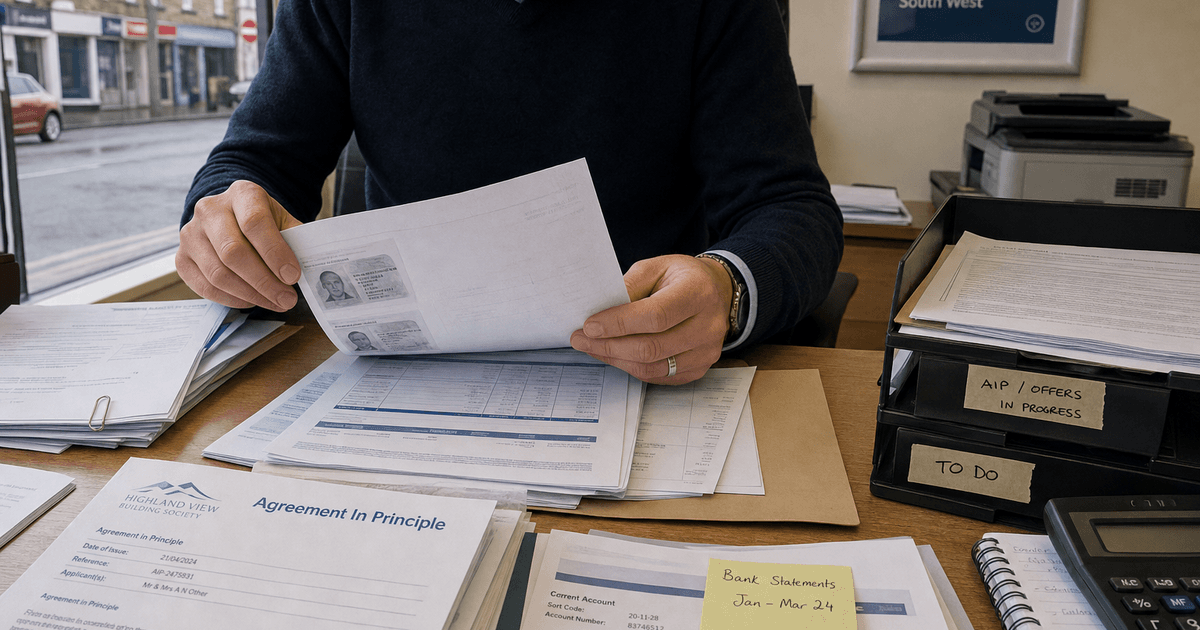
How to Use Claude Cowork for Mortgage Document Automation: A US Loan Processing Guide
Your processors spend three hours a day chasing conditions. Claude Cowork handles it autonomously. Here is how to set it up.

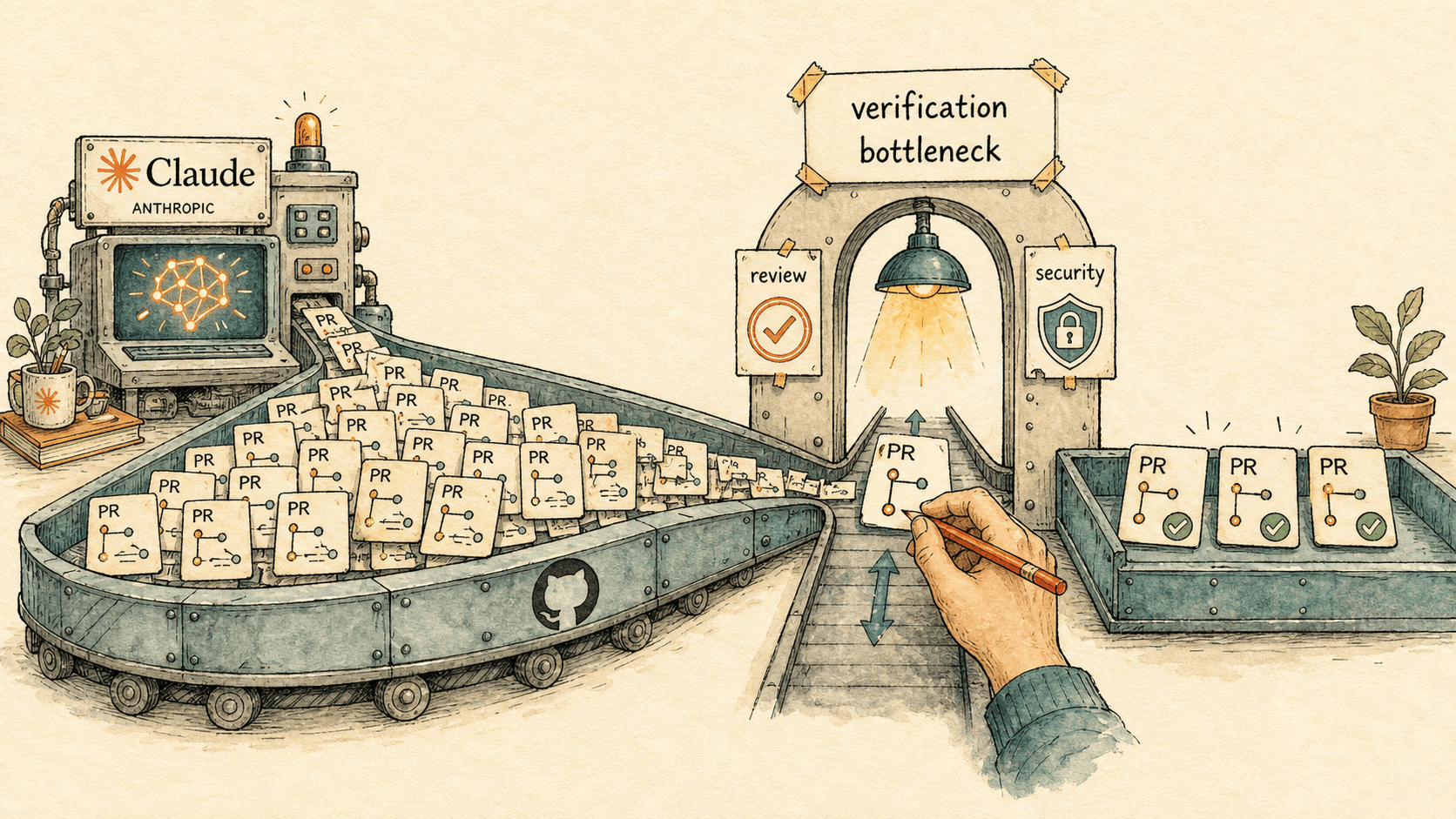
How to Run an AI-Native Engineering Org in 2026
Agentic coding doesn't remove the engineering bottleneck — it moves it from writing code to verifying it. Here's the 2026 operating model for an AI-native engineering organization: the processes to rewrite, how code review changes, and the metrics that prove it's working.
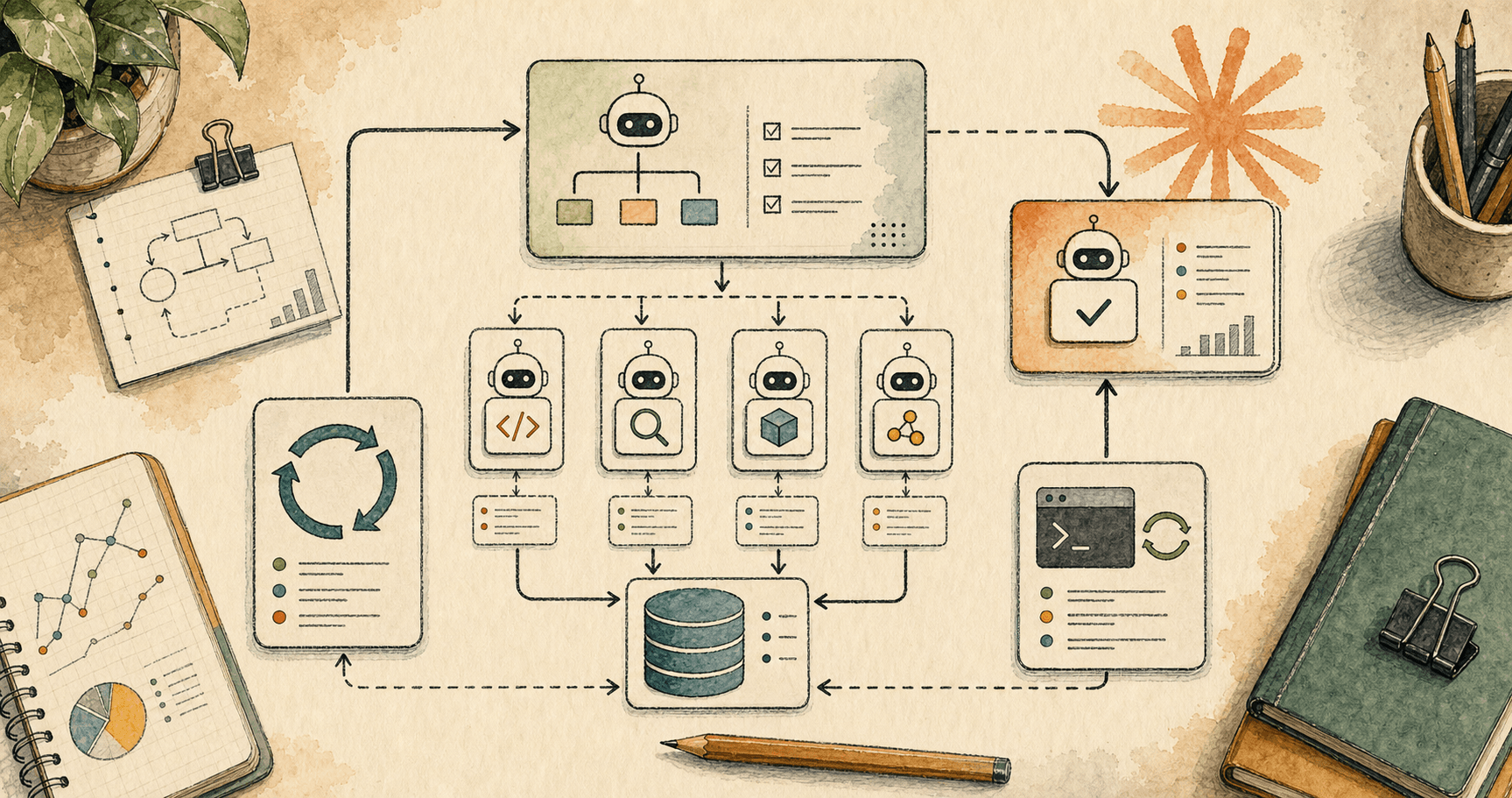
Claude Code Dynamic Workflows: What Is Actually New in 2026?
Claude Code dynamic workflows are not just parallel agents. They turn a prompt into an executable orchestration script that can split work, store intermediate results, cross-check findings and return one synthesised answer.