Claude Design for Marketing Teams: What Anthropic's New Visual Workspace Changes

Last updated: April 17, 2026
Key takeaway
Claude Design is a supervised visual-work workspace for turning marketing and product ideas into reviewable drafts. The commercial value is not instant design magic. It is faster exploration, brand-system application, exportable assets and cleaner handoff to teams that still own the final call.
Claude Design is Anthropic Labs' new visual workspace for creating prototypes, slides, one-pagers and campaign assets by talking to Claude. Released on April 17, 2026, it gives US marketing and product teams a place to move from rough brief to first draft, comments, edits, brand-system alignment, export and Claude Code handoff. For Claude Design searches, the useful read is straightforward: this is not just another AI design surface. It is a way to orchestrate early visual work while keeping review, approvals and implementation discipline in the loop.
Anthropic says Claude Design is powered by Claude Opus 4.7 and is available in research preview on Pro, Max, Team and Enterprise plans. The launch note says teams can start from a prompt, upload images and documents, point Claude at a codebase, use web capture, apply a team design system, share work inside the organization and export to Canva, PDF, PPTX or standalone HTML.
What changed for US marketing teams?
A growth team in Austin or New York can now turn a launch memo into a landing-page prototype, a sales one-pager, three ad concepts and a board-deck direction before pulling a designer into the loop. That matters when teams are under pressure to test positioning quickly but still need brand consistency, accessible layouts, legal claim review and clean handoff to product or web teams.
The practical change is not that Claude can make visuals. The change is that Claude Design gives teams a repeatable workflow for supervised visual drafts: brief, generate, comment, edit, align to the design system, export, then decide what deserves human polish or engineering time.
Can product teams hand this to engineering?
Yes, but the handoff should be controlled. Anthropic says Claude Design can package a design for Claude Code with a single instruction. That creates a useful bridge between product thinking and implementation work, especially for teams that already use Claude Code for front-end changes, prototypes or internal tools.
The guardrail is simple: do not let the prototype become the spec by accident. Product should still define acceptance criteria, analytics events, edge cases, accessibility expectations and launch constraints. Claude Design can reduce the translation work, but the team still decides what ships.
Where should agencies use it first?
Agencies should start with low-risk exploration and client review material: concept directions, pitch decks, landing-page wireframes, social campaign variants and one-pagers. A ten-person creative shop can use Claude Design to present more options without burning designer time on every early draft.
The best agency workflow is not automated design production. It is controlled option generation. Designers and strategists spend less time producing the first three directions and more time judging which direction deserves craft.
What should teams not overclaim?
Claude Design does not replace a design lead, brand governance, FTC claim review, privacy review, accessibility testing or conversion analysis. It will still need humans to check factual claims, visual hierarchy, audience fit, rights, tone and feasibility.
Claude for Word is a useful secondary signal because Claude is also moving into document review with tracked changes. But Claude Design is the bigger marketing story because it reaches the visual layer where campaigns, decks, prototypes and web ideas become concrete.
If you want to operationalize Claude Design without turning your review process into guesswork, review AI solutions, explore skills and plugins, browse the blog, or talk to Marco.
Authoritative sources
Frequently Asked Questions

Founder, AI Heroes
I build AI companies and the systems inside them. At AI Heroes, we give businesses the functional capacity to grow without the headcount growth normally demands — sales that follows up, marketing that runs, content that ships, ops that handles itself. We audit where you're leaving growth on the table, build the team that captures it, and hand it over completely.
I've built at scale before. Leading product and GTM at SlideSpeak AI (1M+ monthly users, profitable, bootstrapped). CPO at Disperse — the AI construction platform that went from 3 to 200+ people on $35M raised. I also co-founded LOBOMAR, a luxury fashion label featured in Elle, Cosmopolitan, and the LA Times, with shows at the London Design Museum, Wereldmuseum, and Amsterdam Fashion Week.
Related Articles
Harness Debt: Your AI Agent Scaffolding Is Quietly Fighting the Model (2026)
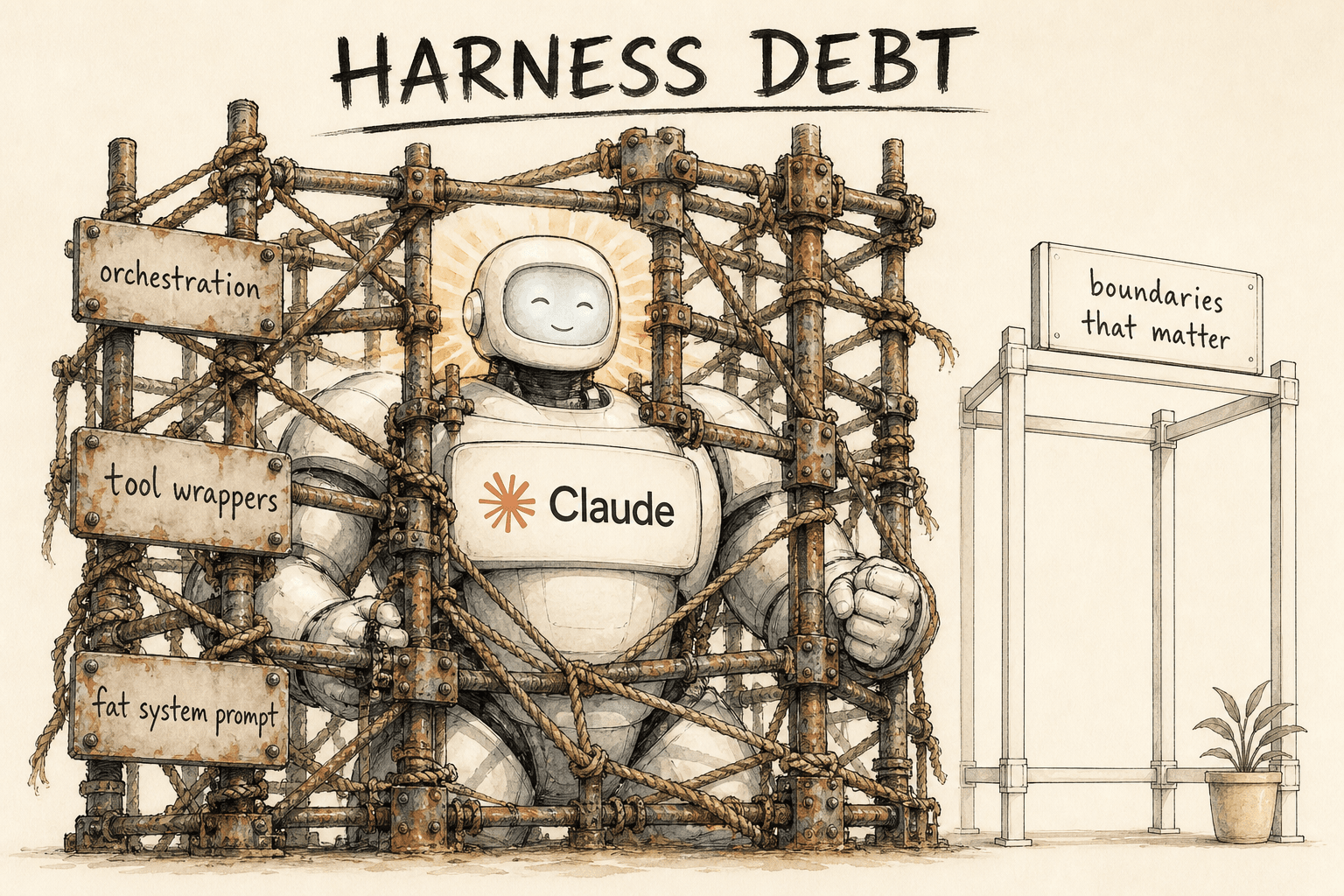
Your AI agent is probably worse than the model inside it — and the gap is your own scaffolding. An experimental harness scored over 2x Anthropic's standard one on the same model. The fix isn't a bigger framework; it's deleting the assumptions that went stale the day Claude Opus 4.6 shipped.

Claude Code + HTML: The 2026 Implementation Guide to the Right Output Medium
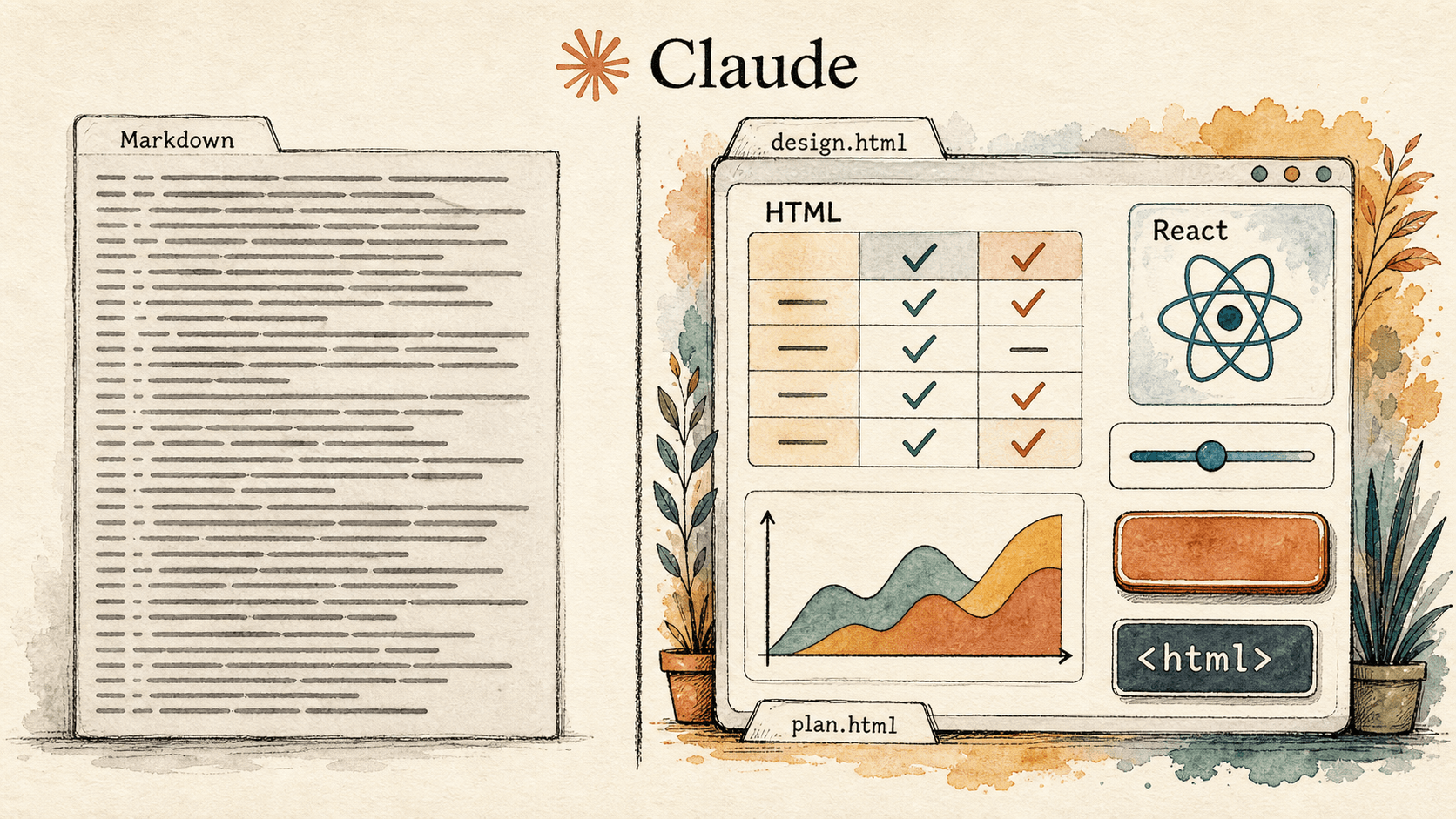
Anthropic's own engineers have moved Claude Code outputs to HTML for almost everything. The implementation question is when HTML wins, when it doesn't, and how the handoff from Claude Design to Claude Code should actually look.
Claude Opus 4.7 for Claude Code: What US Software Teams Should Change First
Claude Opus 4.7 changes how US engineering teams should brief, budget, review, and reset Claude Code sessions.