7 Ways to Get a Website Built For You in 2026 (Without Touching a Builder)

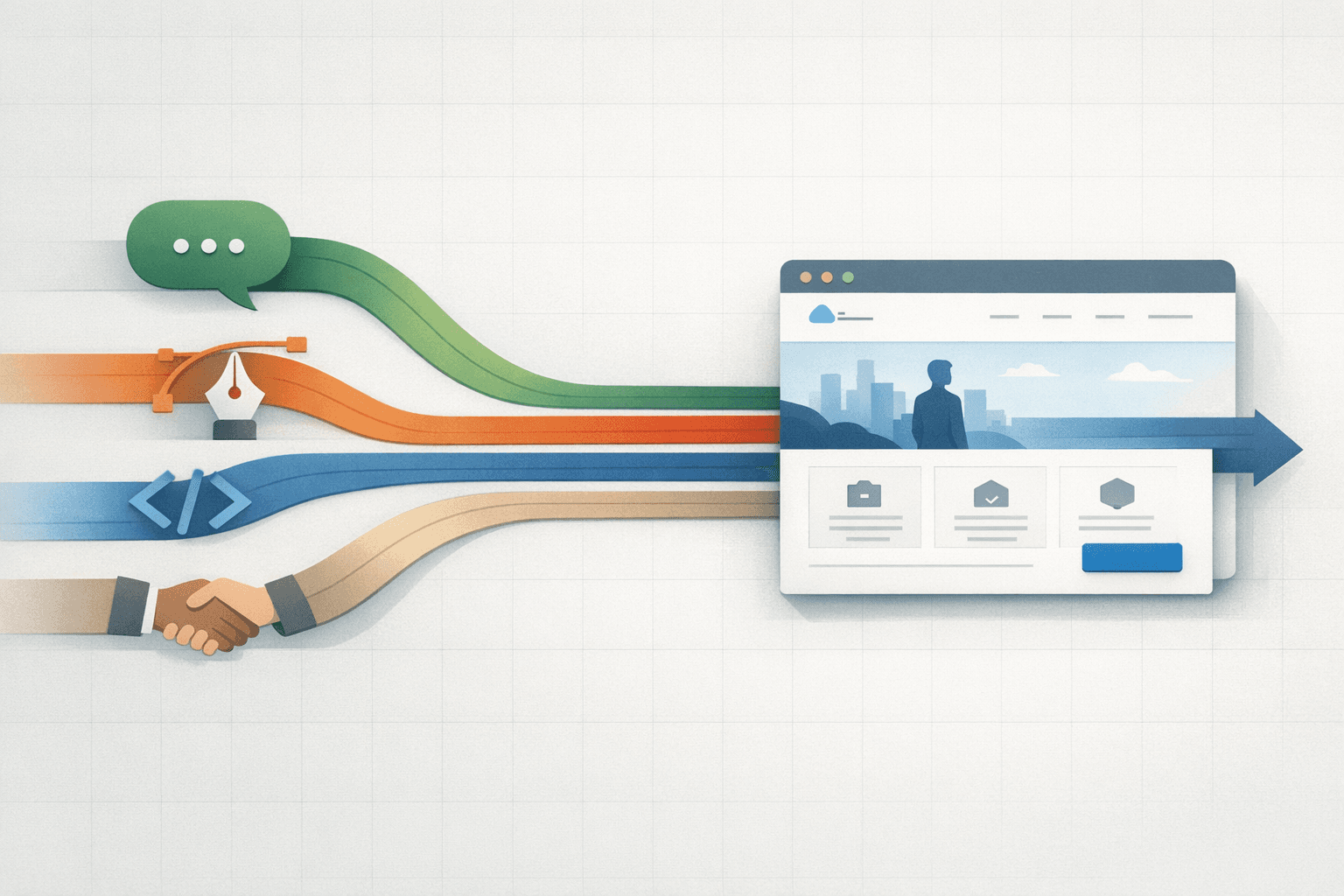
Most small business owners do not want to learn a website builder. They want a working site and their evenings back. In 2026 there are roughly seven realistic routes to that: AI builders you still finish yourself, done-for-you concierge services, freelancers, local agencies, WhatsApp-native chat builders, Schmitdy, and freelance developers or code-native chat tools for anything custom. Here is how each one actually works, what it costs, and where it falls short.
At a glance
| Option | Typical cost | Who it suits | Main limitation |
|---|---|---|---|
| DIY AI builders (Durable, Wix AI, Hostinger AI) | Free to about $25/month | People happy to finish the site themselves | You still do the dashboard work |
| Done-for-you concierge (UENI, Jottful) | ~$79 to $99 setup + $25 to $170/month | Owners who want a human team, not a tool | Slower turnaround, template feel |
| Freelancers (Fiverr, Upwork) | $1,500 to $8,000 one-off, or $20 to $60/hour | Budget-conscious, specific one-off jobs | Quality and reliability vary widely |
| Local web design agency | $3,000 to $15,000+ | Businesses wanting a dedicated point of contact | Highest cost, often slowest |
| WhatsApp and chat-native builders (ChilledSites, Nansi, VPS.org, Sonara) | $5 to $100/month | Owners who want to build and edit entirely by message | Newer platforms, thinner track record |
| Schmitdy | From £150 setup + £50/month | Owners who want to run the site by chat long after launch | Newer entrant; monthly fee continues as long as you use it |
| Freelance developer or Repaint | $1,500+ one-off, or flat monthly (Repaint) | Sites that need real custom logic | Costs more, or you outgrow templates fast |
1. DIY AI website builders
Durable, Wix's AI website builder, and Hostinger's AI builder all do the same basic trick: answer a handful of questions or paste in a business description, and the tool generates a full draft site in under a minute, complete with copy, stock imagery, and a layout. From there, you are back in a normal drag-and-drop editor to fix the wording, swap photos, and connect a domain.
Durable's paid plans run from around $22 to $41 a month (higher if billed monthly rather than annually), with a free tier available too. Hostinger's AI builder sits inside its hosting plans, with website-focused tiers renewing at around $11 a month or less. Wix retired its original ADI conversational builder in late 2024 and folded its AI generation tools into the standard Wix editor, where plans start at $17 a month.
Who it suits: anyone comfortable spending an afternoon or two in a website dashboard, tweaking text and layout themselves.
The honest limitation: "AI-generated" describes the first draft, not the finished site. You are still the one finishing it, and if you do not enjoy dashboard work, the appeal wears off fast.
2. Done-for-you concierge services
UENI and Jottful sit a step up from the AI builders: you fill in a form or hop on a call, and an actual person on their team designs and builds the site for you, typically within about a week.
UENI's current pricing runs from roughly $79 setup, discounted from a $599 list price, with monthly plans starting around $25 and rising to about $125 for ecommerce and growth tiers. UENI advertises a 7-day build and a 30-day money-back guarantee. Jottful charges a $99 setup fee and monthly plans from $65, or about $55 a month if you pay annually, with higher tiers adding blogging, events, and dedicated support.
Who it suits: owners who want to describe what they need once and let someone else handle the build, without going through a full agency process.
The honest limitation: these are template-based services at scale. You get speed and a human touch, but not bespoke design, and revisions usually go through a support queue rather than a live conversation.
3. Freelancers on Fiverr or Upwork
This is the classic route for a custom-built site on a tight budget. You post a brief or browse gigs, pick a freelancer based on their portfolio and reviews, and pay either a flat project fee or an hourly rate. Web developers on these platforms commonly charge in the $20 to $60 an hour range, and a small business site built this way typically lands somewhere between $1,500 and $8,000 depending on scope and the freelancer's experience level.
Who it suits: people with a clear brief who are comfortable vetting portfolios, negotiating scope, and project-managing the back and forth themselves.
The honest limitation: quality is a lottery. The same platform hosts genuinely skilled developers and people who will hand you a broken WordPress theme. You carry the risk of picking wrong, and once the project ends, ongoing support is a separate negotiation.
4. A local web design agency
Agencies offer the highest-touch option: a dedicated point of contact, a proper discovery phase, custom design work, and usually a retainer or support contract after launch. Pricing reflects that: small business agency projects commonly run from $3,000 up to $15,000 or more, depending on the agency's size, location, and how much custom design and functionality you need.
Who it suits: businesses that want a long-term relationship with people they can call, especially if the site needs to integrate with other systems or reflect a considered brand identity.
The honest limitation: cost and timeline. Agency projects routinely take six to twelve weeks from kickoff to launch, and you are paying for account management and process on top of the actual build.
5. WhatsApp and chat-native builders
A newer category skips the dashboard entirely and puts the whole build inside a messaging app. ChilledSites, built to work over WhatsApp, has you message a business description to its number and get a live site back, generally within about a minute; pricing starts at £9 a month, with pay-as-you-go tokens from £8. VPS.org's WhatsApp builder works similarly, from $4.99 a month for one or two sites. Nansi goes a step further, accepting voice notes as well as text, with a free tier and paid plans from $20 a month. Sonara runs the same idea over SMS instead of WhatsApp, at a flat $29 a month, and is unusual among this group in shipping a real backend database, so a site can take actual bookings and sign-ups rather than just display information.
Who it suits: owners who already live in WhatsApp or text messages for their business and want editing to feel the same way, no logins or dashboards involved.
The honest limitation: most of these are young platforms without a long track record. Migration paths, uptime history, and what happens if the company folds are all open questions worth asking before you commit a business-critical site to one.
6. Schmitdy
Schmitdy also builds by chat, but the channel is WhatsApp, Slack, or Teams rather than a dedicated app, and the ongoing relationship is the point: after the initial build, you keep making changes by sending a message, the same way you would ask a colleague to update a page. Pricing starts from £150 for setup, then £50 a month. The £50 a month tier covers unlimited design changes and hosting, and can extend beyond a basic brochure site to new pages up to a product page with a working checkout. Schmitdy also builds pages with an eye to how AI answer engines read and quote content, structuring pages with clear headings, schema, and FAQ blocks rather than only optimising for traditional Google rankings.
Who it suits: businesses that want to keep editing their site indefinitely without ever opening a website dashboard, and that care about how their site reads to AI tools as well as to human visitors.
The honest limitation: it is a newer entrant next to concierge services like UENI and Jottful that have been operating longer, and the £50 monthly fee continues for as long as you want hosting and chat-based edits, so total cost over a few years can exceed a one-off agency or freelancer build.
7. A freelance developer, or a code-native chat tool
Some sites need real logic: a custom calculator, an integration with an internal system, a booking flow no template supports. For that, you generally need either a freelance software developer (a step up from a general web designer, usually priced accordingly) or a tool that writes actual code rather than filling in a template. Repaint, a Y Combinator-backed startup, is one example: it interviews you conversationally, researches your business, and generates a real, editable codebase rather than a locked template, with flat monthly pricing instead of the per-edit credit systems common to other AI builders.
Who it suits: anyone who already knows a template will not hold their use case, whether that is custom interactivity or a specific integration.
The honest limitation: this is the most technical route on the list. A freelance developer costs more than a template-based service, and even a code-native chat tool assumes you are comfortable thinking in terms of features and logic, not just pages and copy.
How to choose
Start with how much you want to touch the site after launch. If the answer is "never," look at the concierge and chat-native options (2, 5, 6) over the DIY builders in option 1. If budget is the deciding factor and you are willing to manage the process yourself, a freelancer (3) usually beats an agency (4) on price for a comparable brief. If your site needs to do something templates cannot, whether that is complex logic or deep integration, skip straight to option 7.
Whichever route you pick, confirm two things before you pay anything: who owns the domain registration (it should be you, not the platform), and whether you can export your content and code if you ever want to leave. A monthly fee is often a lease, not a purchase, and platform risk is real: AI website builder Hocoos announced its closure in 2026 and gave customers only a 30-day window to export their site data before shutting down entirely. That is not a reason to avoid subscription-based builders, most of which are stable, but it is a reason to ask the ownership question upfront rather than after you have three years of content sitting on someone else's platform.
It is also worth knowing that how a site is built increasingly affects whether AI tools recommend it at all. SOCi's 2026 Local Visibility Index, which analysed data across roughly 350,000 business locations, found that ChatGPT recommended just 1.2% of local businesses it evaluated, compared with a 35.9% average appearance rate in Google's local three-pack, meaning AI recommendation is far more selective than traditional local search rankings. That does not favour any one option on this list over another, but it is a reason to ask whichever route you choose whether the resulting site is structured in a way AI engines can actually read and quote, not just one that looks good to a human visitor.
Frequently asked questions
Do I need to know how to code to get a website built for me? No. Every option here, from AI builders through to agencies, is designed for people with no coding background. The main thing that changes between options is how much manual editing work lands on you after the initial build.
What is the cheapest way to get a professional-looking site? A free-tier AI builder like Durable's free plan or Wix's free plan gets you online at no cost, though with the provider's branding attached. For a paid, ad-free option, WhatsApp-native builders like VPS.org start under $5 a month, and Jottful and UENI both offer setup fees under $100.
How long does it actually take to get a site live? AI builders and chat-native tools can produce a live draft in minutes. Concierge services like UENI advertise roughly a week from signup to launch. Freelancers and agencies typically take anywhere from two to twelve weeks, depending on scope and how quickly you provide content and feedback.
Do I own the website if I stop paying a monthly fee? It depends on the provider, and this is worth checking before you sign up. Some platforms let you export your code or content if you cancel; others simply take the site offline. Ask specifically about export options and who is listed as the domain registrant, since that is usually the real test of ownership.
Can I switch providers later if I outgrow one of these options? Generally yes, though how easily depends on what you exported and whether your domain is registered in your own name. Sites built on proprietary platforms (most AI builders and chat-native tools) are harder to migrate than a custom-coded site from a freelancer or agency, so it is worth asking about export formats before you commit if switching later matters to you.
Frequently Asked Questions

Founder, AI Heroes
I build AI companies and the systems inside them. At AI Heroes, we give businesses the functional capacity to grow without the headcount growth normally demands — sales that follows up, marketing that runs, content that ships, ops that handles itself. We audit where you're leaving growth on the table, build the team that captures it, and hand it over completely.
I've built at scale before. Leading product and GTM at SlideSpeak AI (1M+ monthly users, profitable, bootstrapped). CPO at Disperse — the AI construction platform that went from 3 to 200+ people on $35M raised. I also co-founded LOBOMAR, a luxury fashion label featured in Elle, Cosmopolitan, and the LA Times, with shows at the London Design Museum, Wereldmuseum, and Amsterdam Fashion Week.
Related Articles
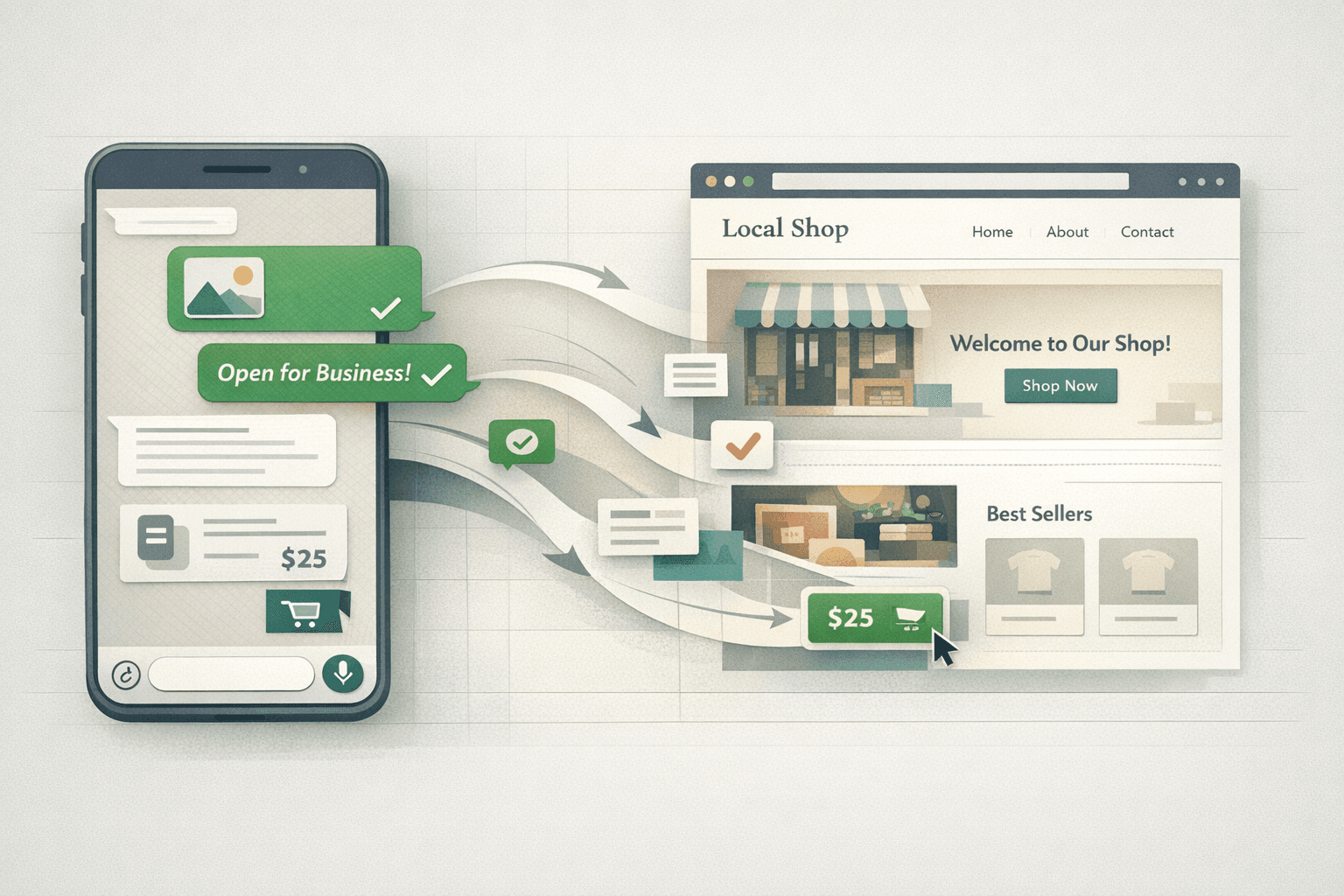
Can You Really Build a Website Through WhatsApp? What's Actually Possible in 2026
A handful of tools now let you build and edit a fully hosted website by chatting on WhatsApp, no dashboard required. Here's an honest look at what's actually possible, what breaks, and how to protect yourself before you commit.

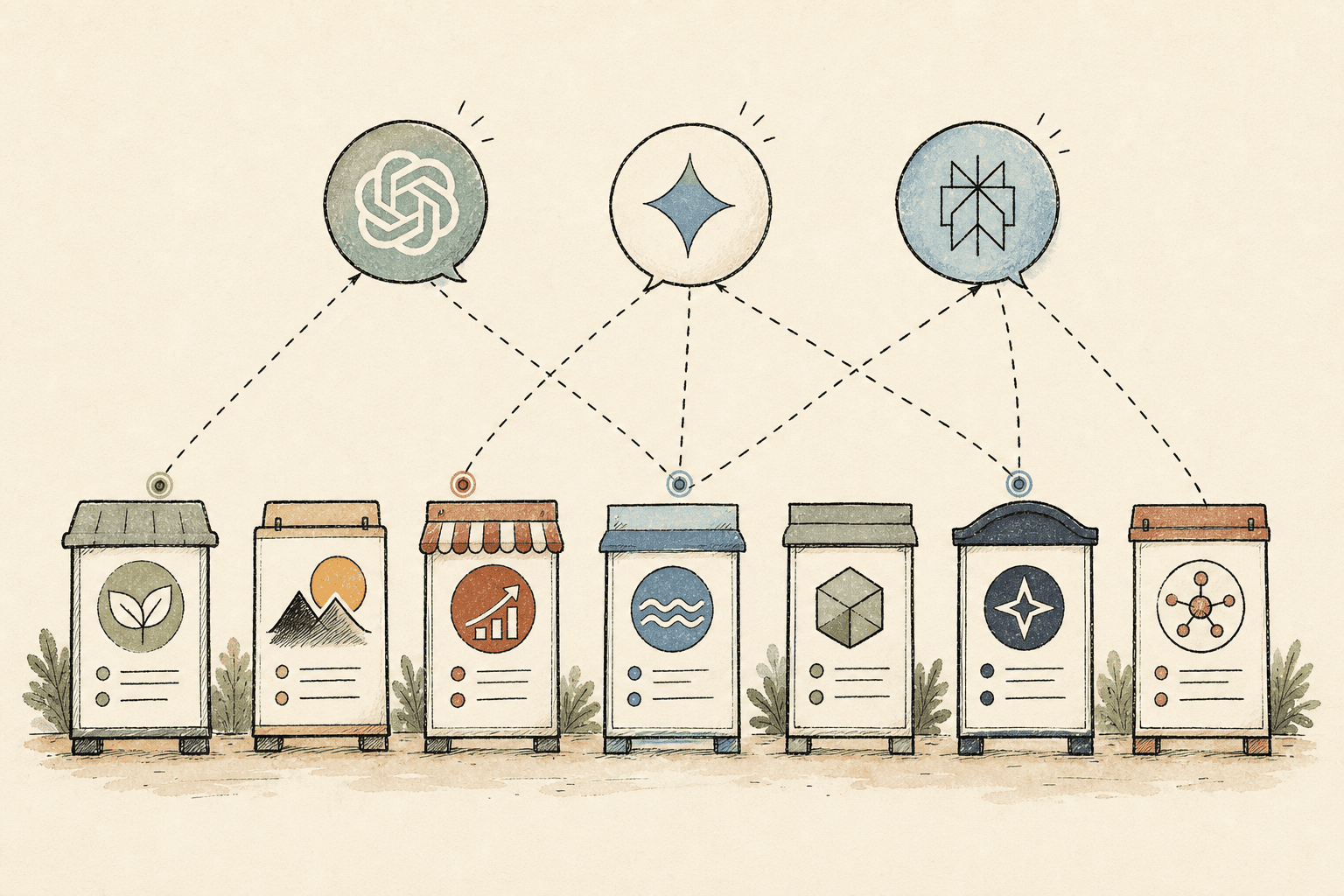
The Best AI Search Agencies in 2026 (GEO and AEO), Compared
The agencies that get brands cited inside ChatGPT, Gemini, Perplexity, and Google AI Overviews, compared on model, market, and method, with the criteria to pick one. The most useful fact for choosing: around 85 percent of AI citations come from third party domains, not your own site, so an agency whose whole offer is on-site content is mismatched to where citations come from.
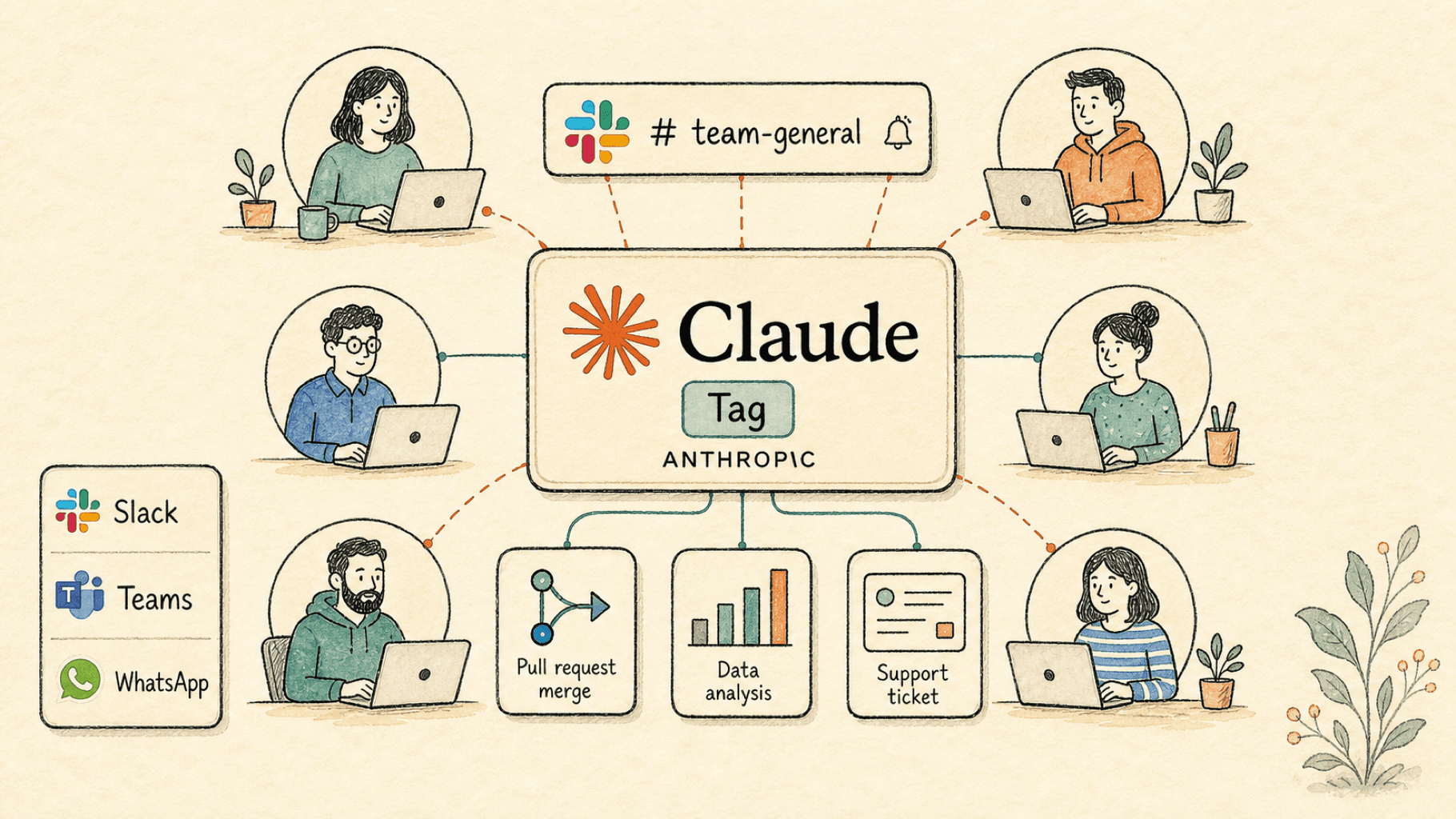
What Is Claude Tag? How Anthropic's Slack AI Teammate Works (2026)
Anthropic launched Claude Tag on 23 June 2026: a way to work with Claude inside Slack as a shared, always-on teammate. Tag @Claude and it plans a task, uses the tools you grant it, and replies in-thread. It is multiplayer, learns from the channel, can take initiative, and works asynchronously over hours or days. It runs on Opus 4.8, is in beta for Enterprise and Team, and replaces the old Claude in Slack app.
See what AI could do for your business
Book a free call — no commitment. You'll leave with a clear picture of exactly where AI can move the needle.