AEO
6 articles
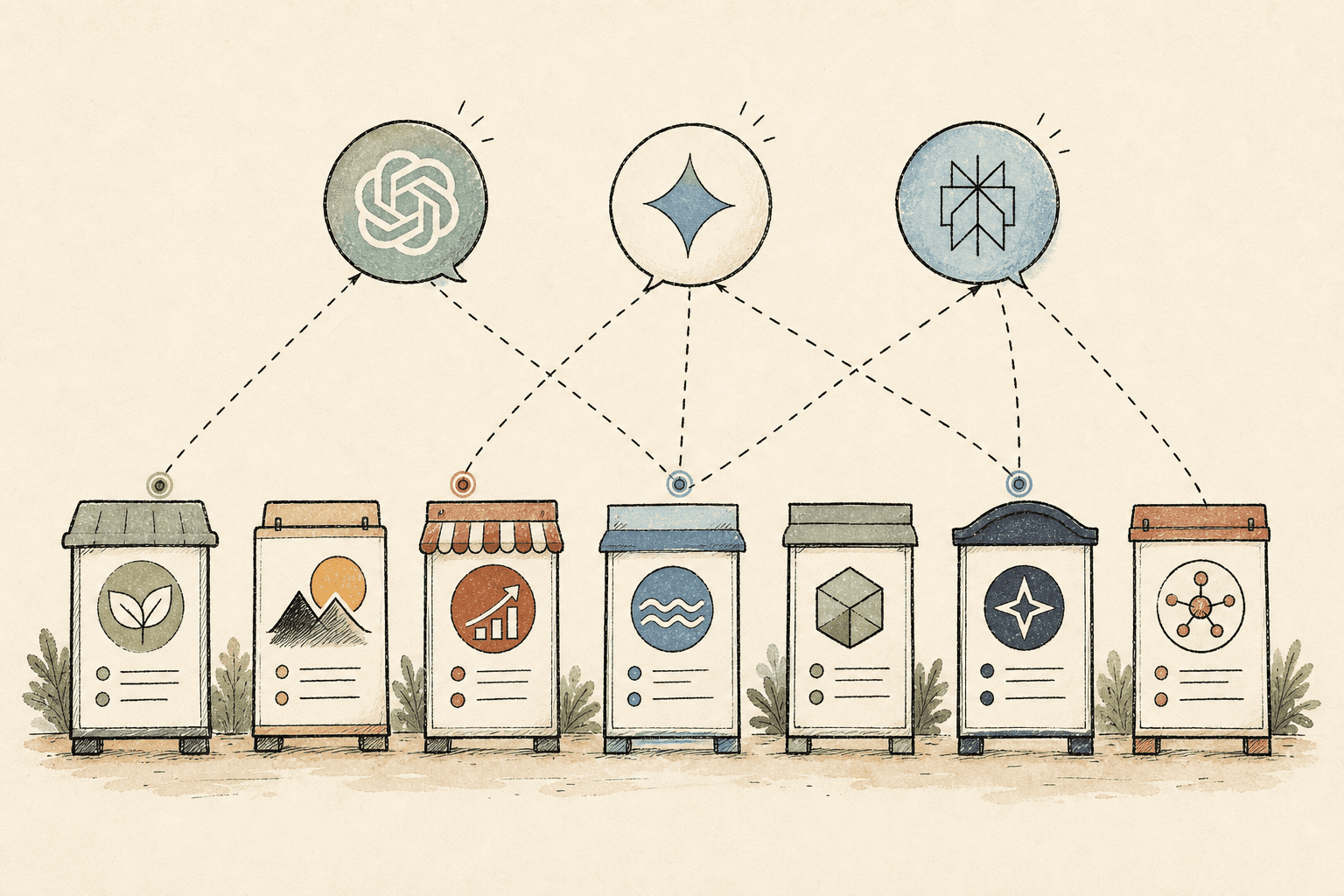
The Best AI Search Agencies in 2026 (GEO and AEO), Compared
The agencies that get brands cited inside ChatGPT, Gemini, Perplexity, and Google AI Overviews, compared on model, market, and method, with the criteria to pick one. The most useful fact for choosing: around 85 percent of AI citations come from third party domains, not your own site, so an agency whose whole offer is on-site content is mismatched to where citations come from.

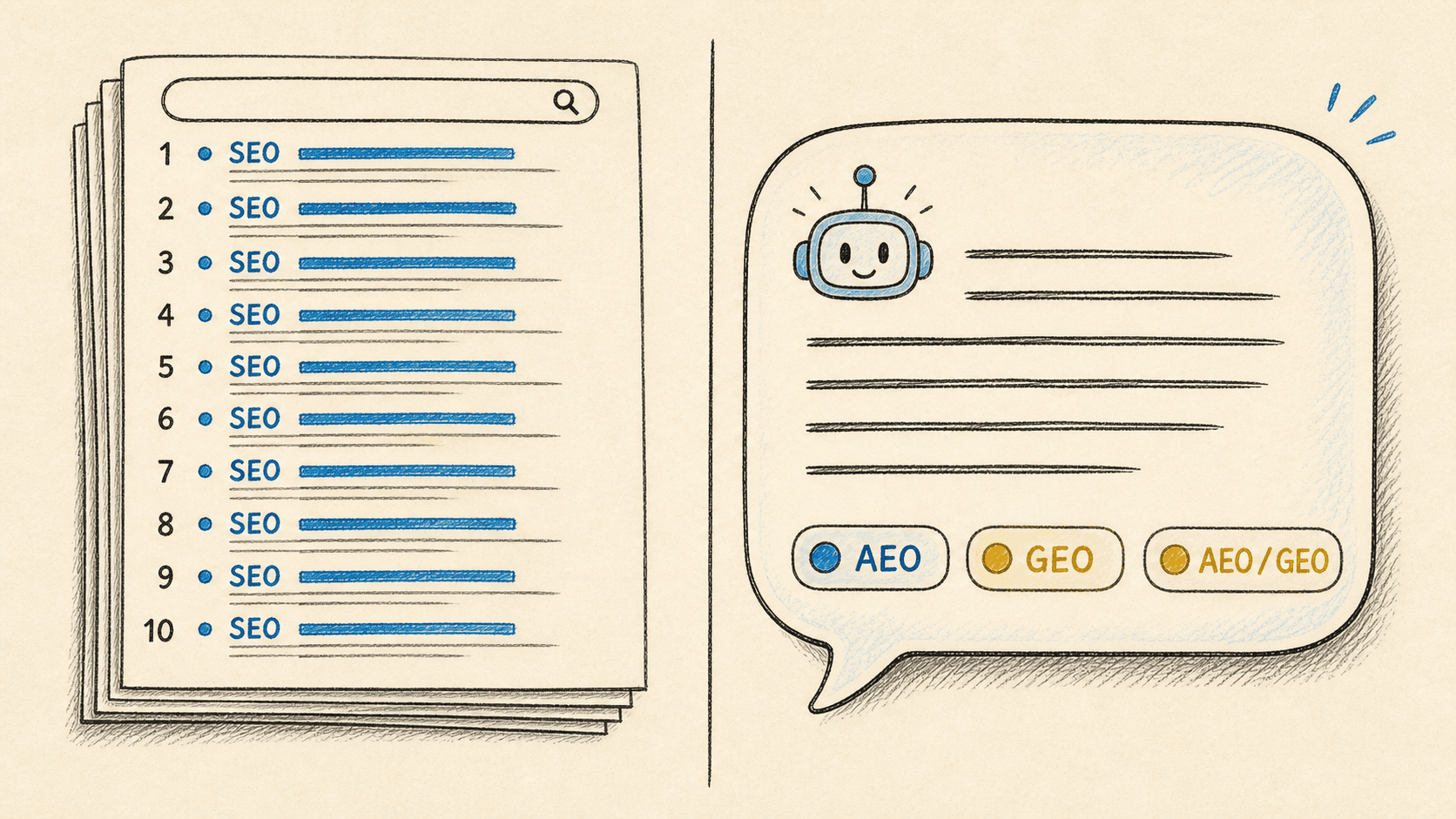
AEO vs GEO vs SEO: The Difference, and Which One You Need in 2026
SEO ranks links in classic search. AEO (Answer Engine Optimization) and GEO (Generative Engine Optimization) optimise to be cited inside the AI-generated answer in ChatGPT, Perplexity, Google AI Overviews, Gemini and Copilot. AEO and GEO are near-synonyms for the same goal; SEO is a separate, still-necessary discipline that feeds the retrieval pool. The practical answer in 2026 is that you do all three, but you measure AEO/GEO on citation share, not blue-link position, and the winning levers (off-site footprint, entity authority, content shape, freshness) sit mostly off your own site.
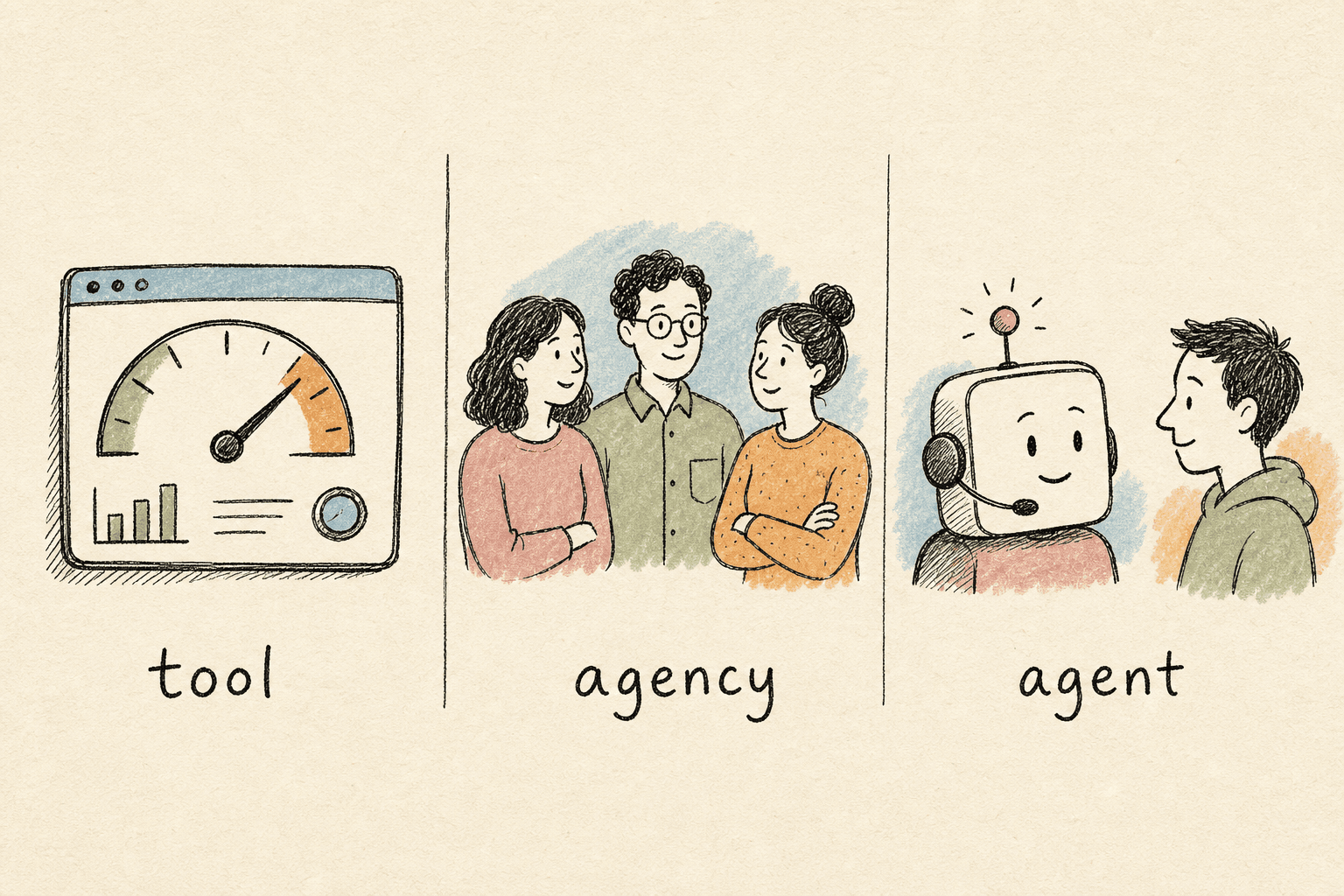
AI Search Tool vs Agency vs Agent: Which Do You Actually Need in 2026?
There are three ways to improve your AI search visibility, and they're layers of the same stack, not rivals: a tool (Peec, Profound) measures where you stand; an agency executes the optimisation work with people; an agent — an AI-search agent — does the recurring volume under human review. A tool changes your understanding, not the answer. An agency changes the answer but costs the most and moves at human speed. An agent does the volume at mid-market cost with humans owning quality and strategy. In 2026 most teams keep a tool and add one execution layer — the real decision is which one.
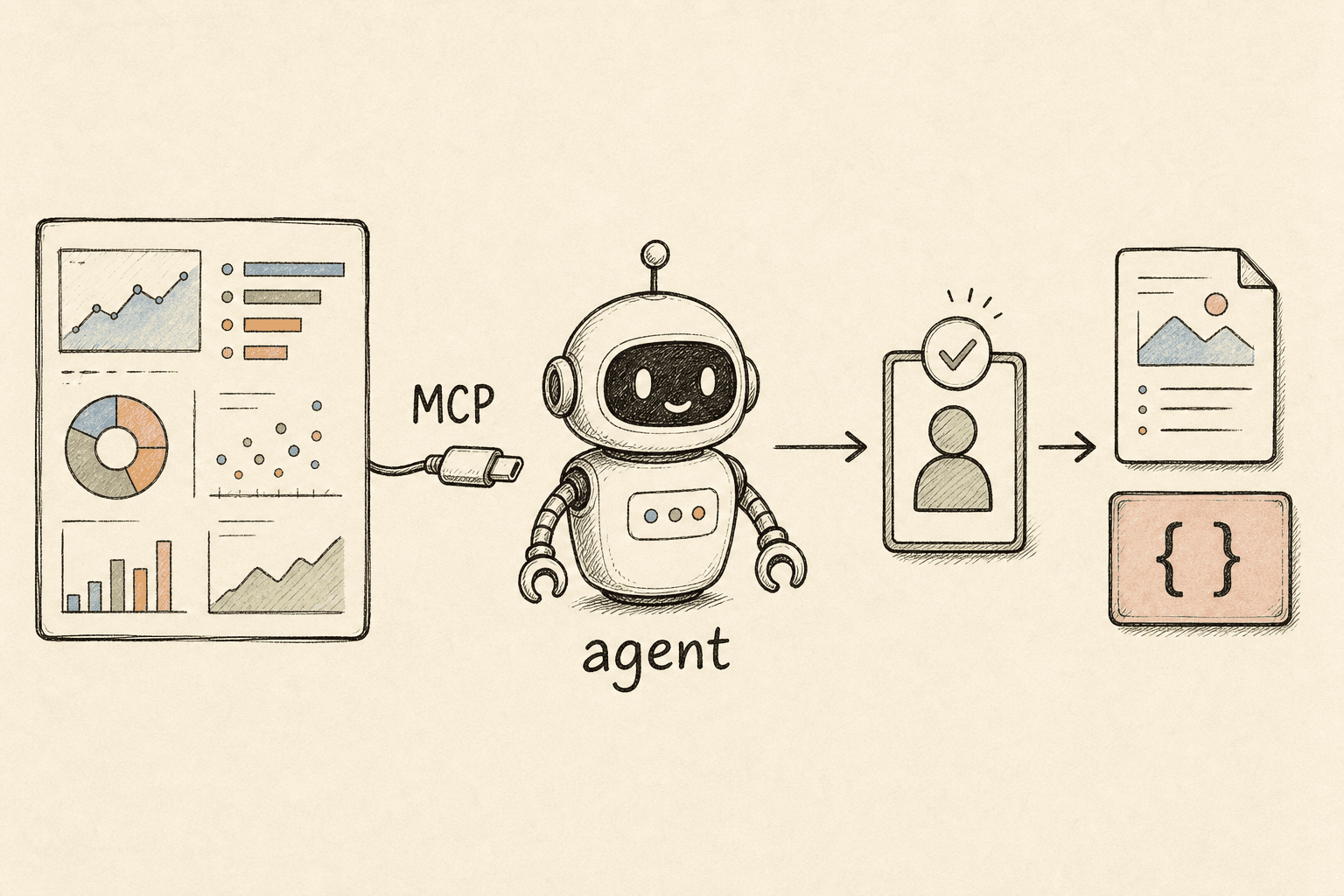
How to Build AI Agents on the Peec AI MCP for AEO and GEO (2026)
In late 2025 Peec AI shipped an official MCP server, which makes its entire AI-search measurement layer — projects, prompts, per-engine brand visibility, full AI answer transcripts, the source/citation graph and scored Actions — directly callable by an LLM agent. That means you can wire a Claude or GPT agent straight to the ground truth of how ChatGPT, Perplexity, Gemini and AI Overviews answer your category, and have it reason over the data and draft the work to close the gaps. The defensible build pattern is a read-only, five-stage loop with a human ship gate: the agent triages and drafts; a person verifies and ships.
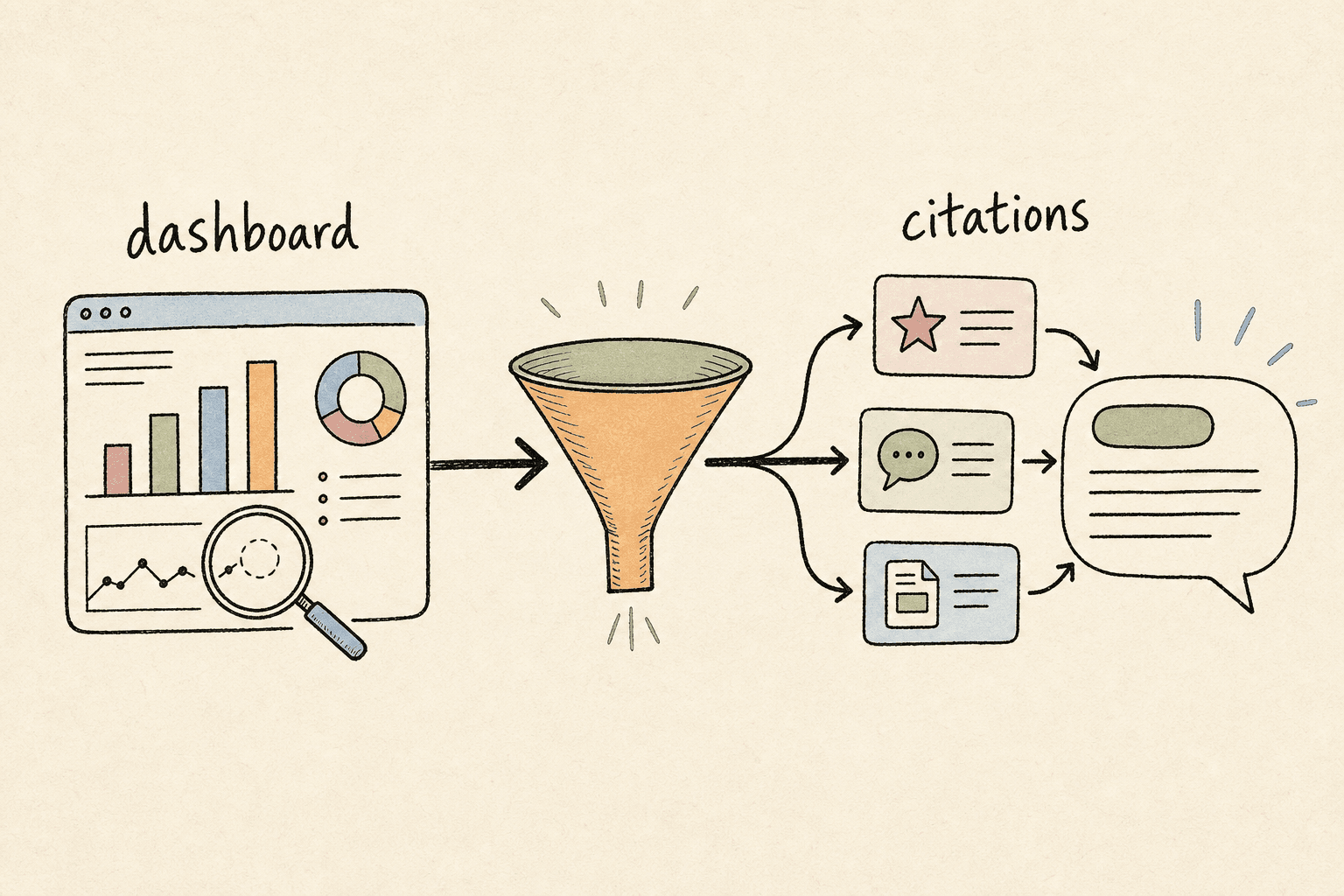
From Peec or Profound Data to AI Citations: A 5-Step Playbook (2026)
Your Peec or Profound dashboard tells you where you're invisible in AI answers, but a visibility score is an outcome, not an instruction. Turning the data into citations is a five-step job: read the gap reports rather than the vanity metric, turn the cited sources into a third-party target list, fix the pages that are retrieved but not cited, build the off-site footprint the data points to, then re-measure the delta on a cadence. The highest-leverage move is the source/domain gap report — the third-party sites citing your competitors but not you. Most of the work lands off your own domain and has to recur, which is the gap between owning a dashboard and moving its numbers.
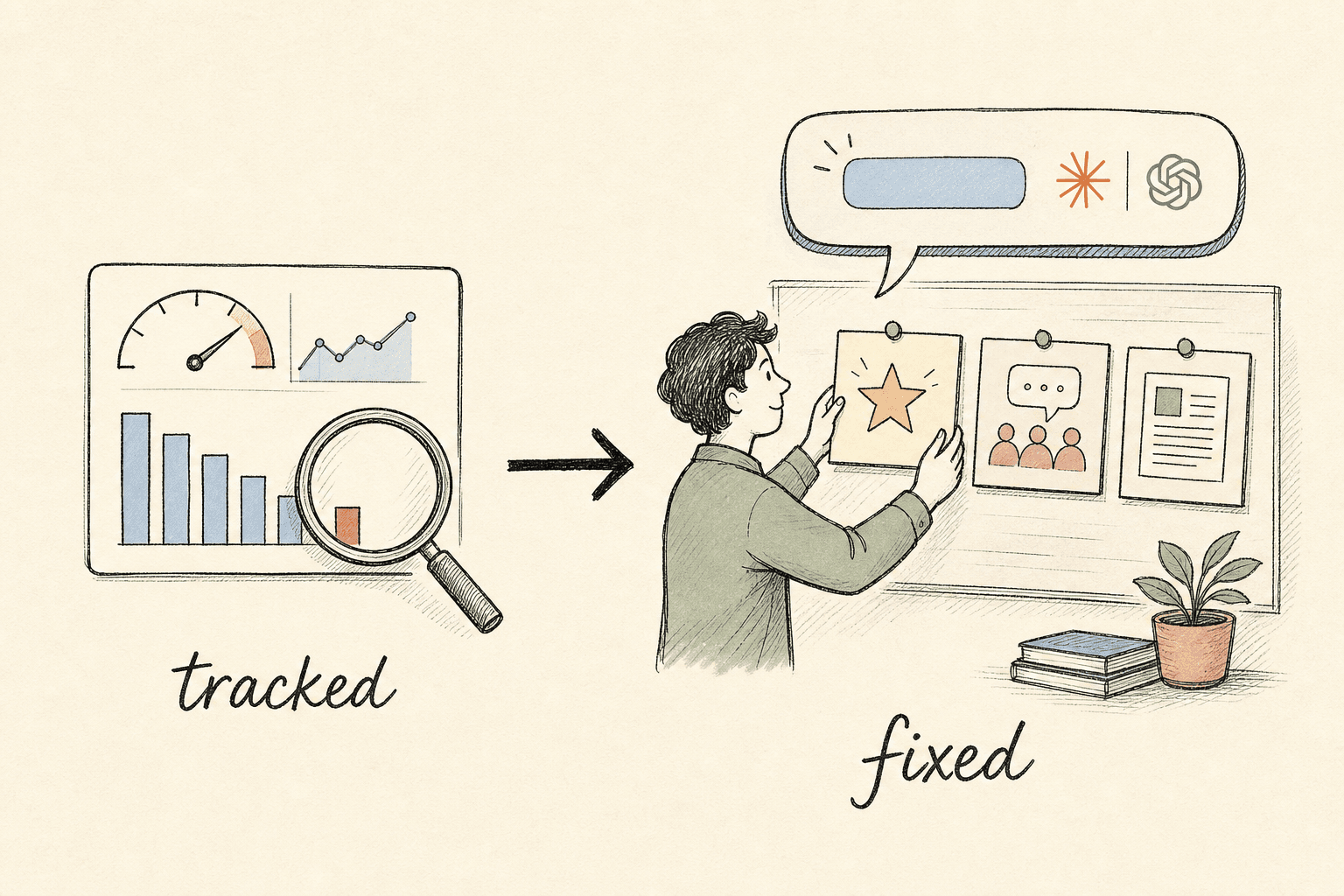
You're Tracking AI Search Visibility. Who's Actually Fixing It?
AI search visibility tools tell you where your brand is missing from AI answers. They don't fix it. Here's why the number doesn't move when you only buy the dashboard — and what closing the gap actually takes in 2026.